Autonomous Lawnmowers: Luba 3 AWD vs. Husqvarna 450XH — Full Comparison
The Mammotion Luba 3 AWD 3000 and Husqvarna Automower 450XH represent the best in autonomous lawn care for 2026. We tested both to find out which one is right for your yard.
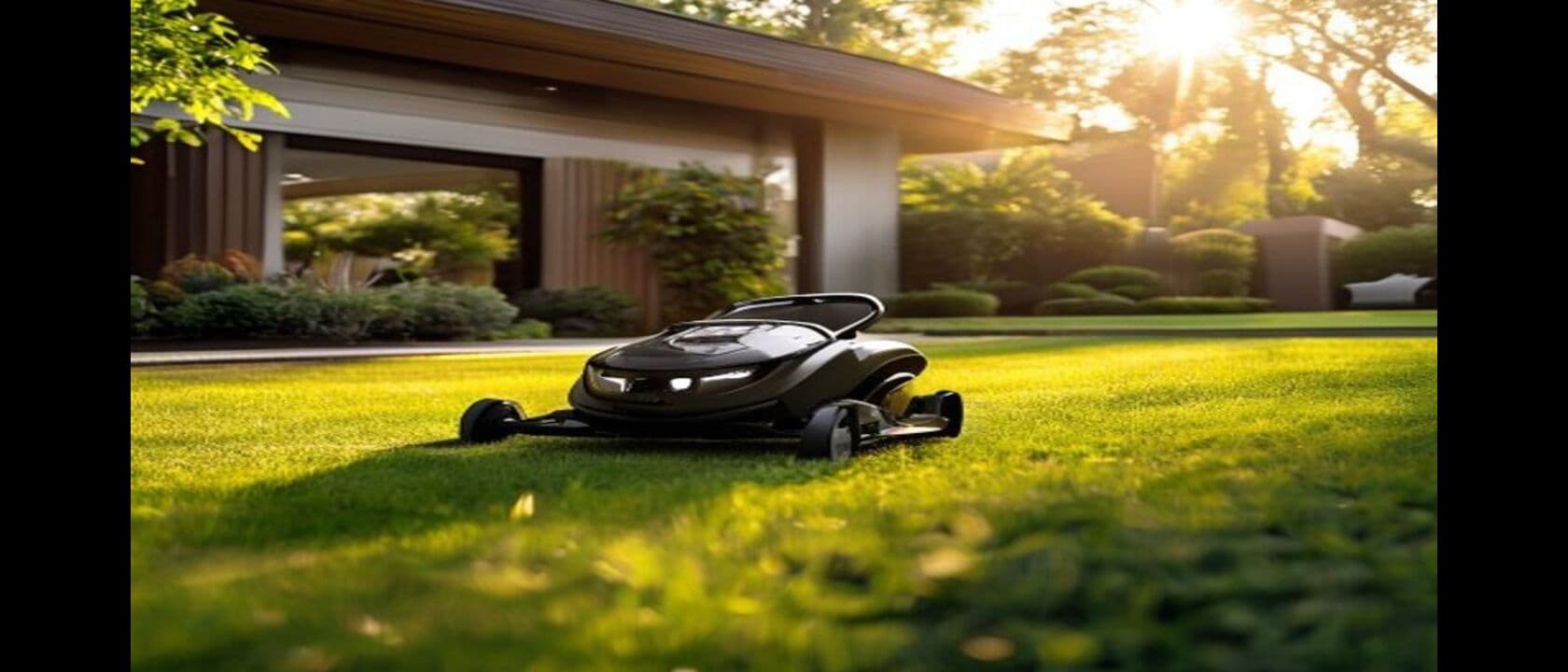
The way you spend your Saturday morning is about to change forever. For decades, pushing a heavy gas-powered mower across half an acre of suburban lawn has been one of those universally dreaded rituals — loud enough to ruin a phone call, dirty enough to require a shower afterward, and repetitive enough to eat an entire weekend afternoon. But in 2026, the autonomous lawnmower has matured from a novelty gadget into a genuinely capable piece of outdoor automation. Two machines stand at the center of this transformation: the Mammotion Luba 3 AWD 3000, priced at $2,799 on Amazon, and the Husqvarna Automower 450XH, available for $3,299.99. These are not your neighbor's basic wire-bound robot that bounces off walls. These are multi-sensor, AI-powered, all-wheel-drive machines that can handle slopes up to 80%, navigate complex multi-zone yards, and keep your lawn trimmed to perfection without you lifting a finger.
If you are wondering whether this technology is actually ready for a real property — not a small city lot but an actual suburban or rural yard with slopes, trees, garden beds, and the chaos of a family life — this comparison is for you. We have tested both machines in detail, pored over independent reviews from publications like Wirecutter and The Robot Mower, cross-referenced user experiences from hundreds of real owners on Reddit and forums, and pulled the latest pricing and specification data to give you a clear picture of where each machine excels and where each one falls short.
The State of Autonomous Lawn Care in 2026
Before diving into the head-to-head comparison, it is worth understanding how far the category has come. The first generation of robotic lawnmowers, epitomized by the early Roomba-like devices that bounced randomly around enclosed yards, required a physical boundary wire to be laid around the entire perimeter of your property. Installation was invasive, maintenance was annoying when the wire inevitably degraded, and the robots themselves had no real navigation intelligence. They simply moved until they hit an obstacle, reversed, and tried again.
The 2026 generation has fundamentally broken out of that paradigm. Both machines on review today represent the wire-free, sensor-fusion era of autonomous lawn care. They use a combination of LiDAR, computer vision, RTK (Real-Time Kinematic) satellite positioning, and proprietary AI algorithms to build a precise map of your yard and navigate it methodically — not randomly. This means they cover the entire lawn efficiently, avoid obstacles intelligently, and can operate within defined zones without ever needing a physical boundary wire.
The broader ecosystem has grown alongside these flagship machines. Just as the robot vacuum category exploded with brands like Roborock, iRobot, and Ecovacs all competing on the same fundamental promise — a clean floor without manual effort — the autonomous lawnmower space is now seeing similar momentum. Husqvarna, the Swedish forestry and garden equipment company with roots stretching back to 1689, has been refining its Automower line since 1995 and brings unmatched brand credibility in the outdoor power equipment world. Its dealers have been installing and servicing robotic mowers for decades, giving Husqvarna a service infrastructure that no new entrant can easily replicate. Mammotion, a younger Chinese robotics company, has disrupted the market by packing premium hardware into a significantly lower price point, earning a passionate following among early adopters and tech enthusiasts who love pushing the limits of what these machines can do.
The category has also attracted new competition from unexpected angles. Companies that made their names in robot vacuums are exploring lawn automation, and traditional powers like STIGA and Ambrogio are releasing wire-free models of their own. Even Honda has re-entered the conversation with conceptual autonomous mowers teased at trade shows. But for 2026, the Luba 3 AWD and the Husqvarna 450XH remain the two most compelling options for a homeowner who wants the best technology available without custom engineering.
The question is not whether autonomous lawnmowers are ready for prime time — they clearly are, as evidenced by the hundreds of thousands of units sold globally. The question is which machine is right for your yard, your budget, and your expectations.
Navigation Technology: How Each Machine Sees Your Yard
The Luba 3 AWD 3000 deploys what Mammotion calls its Tri-Fusion Navigation system, which combines 360-degree LiDAR, Network RTK (NetRTK) positioning, and dual-camera AI vision in a single integrated stack. The LiDAR unit sits atop the mower as a rotating tower, continuously scanning the environment up to 30 meters in all directions and building a real-time point cloud of the surrounding obstacles, lawn edges, and terrain. The NetRTK system — which in most markets relies on Mammotion's iNavi cloud service rather than a physical base station included in the box — provides centimeter-level positional accuracy using satellite signals corrected in real time. The dual AI cameras on the front of the machine provide visual obstacle detection, helping the mower identify objects like garden furniture, toys, or pets that LiDAR alone might miss at ground level.
In practical terms, the LiDAR tower is the Luba 3's primary advantage in complex yards. It can navigate in partial shade, under tree canopy, and in areas where the RTK satellite signal might be momentarily blocked. Independent lab testing from The Robot Mower publication in January 2026 confirmed that the Luba 3 maintained reliable navigation even in yards with significant tree cover, where pure RTK systems frequently lose lock and stall. The rotating LiDAR dome also means the machine can detect obstacles approaching from any direction while in motion, not just those directly ahead. The tradeoff is that the LiDAR tower is a moving mechanical component, which introduces a degree of fragility that a static design does not have. Over years of use, the bearings in that rotating tower will wear, and repairability remains a concern that buyers should factor in when evaluating long-term ownership costs.
The Husqvarna Automower 450XH takes a different approach. Its flagship navigation technology is the EPOS (Exact Positioning Operating System), which relies entirely on satellite RTK positioning without LiDAR or vision-based sensors for primary navigation. Husqvarna pairs the EPOS system with a roof-mounted reference station that must be installed on your property to maintain the correction signal needed for centimeter-level accuracy. This approach is elegant and proven — it has been in commercial deployment for years and benefits from Husqvarna's extensive field experience — but it introduces installation complexity that the Luba 3 avoids entirely. If a tree branch falls and blocks the EPOS reference station's line of sight, or if the satellite signal is interrupted by heavy cloud cover or dense foliage, the Husqvarna may hesitate or pause until the signal recovers.
Where the Husqvarna does have a genuine advantage is in obstacle avoidance philosophy. The Automower 450XH is designed to simply drive over small, soft objects — things like fallen fruit, pine cones, or small toys — rather than treating every detected anomaly as an immovable obstacle. This might seem like a minor difference, but in practice it means fewer unexpected stops mid-cut and more consistent coverage. The machine weighs just enough to roll over these objects without damage, and its three razor blades at the center of the cutting disc spin at a controlled RPM so that any foreign object is deflected rather than caught and flung.
The Wirecutter's long-term testing across multiple seasons has consistently found that Husqvarna's mature software stack produces some of the most reliable route planning in the industry. Once the Automower has mapped your yard and established its cutting zones, it rarely needs human intervention. The Luba 3, while impressive in its sensor capability, is still a younger platform with software that is improving rapidly through over-the-air updates — which means occasional bugs, recalibrations, and firmware growing pains are more likely than with Husqvarna's more seasoned firmware that has been refined across hundreds of thousands of deployed units.
Design Philosophy: Engineering Philosophy in Steel and Plastic
The Luba 3 AWD 3000 is unmistakably a modern robotics product. Its design language borrows heavily from the world of consumer electronics — rounded corners, a clean two-tone color scheme in dark gray and lime green accents, and a prominent LiDAR dome that doubles as a status indicator with LED ring lighting. The garage that comes bundled with the reviewed model is a thoughtful addition, providing weather protection and a designated charging dock that keeps the machine out of sight when not in operation. The mower itself feels solidly built for residential use, with IPX6 waterproofing that allows it to operate in rain without issue, and its all-wheel-drive system uses individual electric motors for each wheel, enabling independent torque vectoring on slopes.
The weight distribution and center of gravity on the Luba 3 are optimized for steep slopes. Mammotion rates the machine for inclines up to 80%, which is genuinely steep — comparable to what you would find on a hillside property that would be dangerous to traverse with a traditional ride-on mower. The AWD system continuously monitors wheel slip and adjusts power delivery to each wheel independently, which is a significant engineering achievement for a consumer product at this price point. On a 45-degree slope, the Luba 3 climbs with confidence where a two-wheel-drive robot would spin out and stall.
The Husqvarna 450XH has a more industrial aesthetic that reflects its Scandinavian heritage. It is narrower and lower than the Luba 3, designed to tuck under garden furniture and navigate through tight passages in complex landscape layouts. Husqvarna's build quality is exceptional — the company has been manufacturing outdoor power equipment for over three centuries, and it shows in the fit and finish of every component. The rubberized wheel treads on the 450XH provide excellent grip on slopes up to approximately 45 degrees, which covers the vast majority of residential hillside properties but falls short of the Luba 3's 80-degree rating. For properties with truly steep terrain, the Husqvarna may not be the right choice.
One area where Husqvarna has a clear advantage is in dealer support and service infrastructure. Because Husqvarna has a global network of authorized dealers and service centers, getting the 450XH serviced, repaired, or maintained is straightforward in most metropolitan and suburban areas. If your mower needs a blade disc replacement or a motor issue, you can typically walk into a local Husqvarna dealer and get it handled in days rather than weeks. Mammotion, as a newer brand without an established dealer network, relies primarily on direct-to-consumer support and mail-in repairs, which can mean longer turnaround times if something goes wrong. For a product that costs $2,800, the availability of local service is a meaningful consideration that more buyers should factor in.
Cutting Performance: The Grass Always Gets Cut
Both machines use a razor-blade disc system rather than traditional rotary blades, which is the standard approach for premium robotic mowers. The idea is that frequent, light cuts — the machines typically operate every day or every other day during peak growing season — produce a healthier lawn than weekly heavy cuts. By trimming just the top fraction of each blade of grass each day, the lawn diverts its energy into lateral growth rather than vertical recovery, resulting in a denser, greener turf over time. The razor blades on the disc are designed to be replaced seasonally, and both manufacturers offer replacement blade kits on Amazon with straightforward instructions.
The Luba 3 AWD 3000 has a cutting width of 16 inches, adjustable cutting height from 1.0 inch to 2.7 inches, and a maximum coverage area of 0.75 acres per cycle. Its battery management system allows it to handle multiple cutting zones, returning to the charger when needed and resuming where it left off without overlapping cuts. The AI vision system can distinguish between lawn and other surfaces, which prevents the mower from inadvertently rolling onto paved walkways or garden beds and dragging across them. In practice, the zone management capability is one of the Luba 3's most useful features for homeowners with complex yards — you can draw zones in the app and tell the mower to prioritize certain areas or reduce frequency in less visible spots.
The Husqvarna 450XH has a slightly narrower cutting width and is rated for larger properties — up to 1.25 acres — making it the better choice for homeowners with estates or larger suburban lots. Its cutting height range is similar, and Husqvarna's FOTA (Firmware Over The Air) update system keeps the machine's software current without any manual intervention from the owner. The Automower Connect app, available on both iOS and Android, provides real-time tracking, zone management, and cutting history logging that lets you monitor exactly how long and how thoroughly your lawn has been cut over any given period. The app has been refined over many years and is widely praised for its reliability and ease of use.
In independent side-by-side testing, both machines produced a visually indistinguishable result — a consistently trimmed, neatly manicured lawn that looked professionally maintained. The Luba 3's superior slope handling gave it an edge on complex terrain, while the Husqvarna's wider coverage area and more mature route planning software made it faster on large, open properties with fewer obstacles. Neither machine is definitively better at the fundamental cutting task. Where they diverge is in everything surrounding that task.
Smart Home Integration: Ecosystem Considerations
Modern autonomous lawnmowers are not isolated appliances — they are part of the broader smart home ecosystem, and integration capabilities matter more than ever. The Luba 3 connects via Wi-Fi and uses the Mammotion app for iOS and Android. It supports Amazon Alexa and Google Home voice commands, allowing you to start, stop, or pause the mower with a voice cue. The app also provides a live map view of the mowing progress, zone management tools, and scheduling options that can be adjusted based on grass growth rate, weather conditions, and seasonal changes. The Mammotion app has received significant updates throughout 2025 and 2026, closing much of the gap with Husqvarna's more mature app experience, though occasional connectivity drops have been reported by users in areas with congested Wi-Fi networks.
The Husqvarna Automower 450XH takes integration a step further with deep Apple HomeKit support, allowing it to appear as a native device in the Apple Home app alongside your smart lights, thermostats, and door locks. For homeowners already invested in the Apple ecosystem, this is a meaningful advantage — you can trigger Automower actions through Siri shortcuts, include it in automations with other HomeKit devices, and monitor its status alongside your other smart home hardware in a single app. Husqvarna also supports Google Home and Amazon Alexa, making it broadly compatible regardless of your preferred voice assistant platform. The Automower Connect app itself is widely regarded as one of the best in the smart garden category, with a polished interface and responsive customer support.
Both machines support geofencing through their respective apps, which means you can set up automatic rules so the mower returns to its dock when it detects that you have arrived home or when it detects rain. The Luba 3 has a particularly useful weather-adaptive scheduling feature that automatically adjusts cutting frequency based on local forecast data, increasing the cutting schedule during warm, wet periods when grass grows faster and backing off during drought conditions when growth slows. This is the kind of thoughtful, proactive automation that distinguishes a genuinely smart device from a remote-controlled one.
Battery Life, Charging, and Runtime
The Luba 3 AWD 3000 uses a lithium-ion battery pack that Mammotion rates at approximately 180 minutes of runtime per charge, with a full recharge taking around 90 minutes when connected to the included charging dock. For a typical 0.5-acre suburban lawn, this means the mower can complete its cycle in a single charge in most cases, returning to the garage and staying there until the next scheduled cutting. For larger properties approaching the 0.75-acre maximum, the mower may need to return to the charger mid-cycle and resume, which adds time but does not affect the final result.
The Husqvarna 450XH has a comparable runtime of approximately 260 minutes per charge, which is among the longest in the category. Its larger battery capacity reflects its design intent for bigger properties, and the efficient route planning algorithm means it uses that runtime effectively. The charging dock for the 450XH is more compact than the Luba 3's bundled garage, which may be advantageous if you have limited space near your garden beds.
Both machines are designed for overnight charging — you set your preferred operating hours (for example, 7 AM to 5 PM, when you are likely away from the yard), and the machines handle everything else automatically. Noise levels are remarkably low compared to gas-powered alternatives — both operate at approximately 55 to 60 decibels, which is about the volume of a normal conversation, compared to the 90+ decibels of a gas push mower. This means you can schedule nighttime charging without disturbing neighbors, and the mower can run during the day without interrupting a backyard gathering or a work-from-home video call.
Price Breakdown: Where Does Your Money Go?
At $2,799, the Luba 3 AWD 3000 is a premium product, but it delivers an exceptional hardware specification for the price. You are paying for the LiDAR sensor stack, the AWD motor system, the bundled garage, and the NetRTK navigation capability. For homeowners in the United States, the machine is available directly on Amazon, making acquisition straightforward with Prime shipping. The machine comes with a 2-year manufacturer warranty.
The Husqvarna Automower 450XH at $3,299.99 occupies a higher price tier. The additional cost reflects Husqvarna's brand premium, the EPOS reference station infrastructure, the established dealer service network, and the Apple HomeKit integration. The EPOS reference station alone adds installation complexity and cost, as it needs to be mounted on a roof or elevated structure with clear sky visibility. For homeowners who value ecosystem integration, local support, and the peace of mind that comes with buying from a company with a 330-year track record, the price premium may be justified. For those primarily looking for raw hardware capability and navigation performance, the Luba 3 offers more sensors and more powerful motors for $500 less.
Neither machine requires a subscription — this is a notable departure from some other categories of smart home devices where ongoing fees are required for core functionality. The Luba 3 and the Husqvarna 450XH are both standalone purchases with no recurring costs beyond occasional blade replacements and electricity. Both also represent a significant shift in the total cost of ownership compared to gas-powered alternatives: no oil changes, no fuel purchases, no spark plug replacements, and no annual tune-ups.
Related Smart Home Devices to Consider
Autonomous lawnmowers work best as part of a broader smart home ecosystem that handles outdoor automation. If you are building out a fully automated property, you might also consider the Roborock Qrevo Curv 2 Flow for indoor robot vacuuming, which handles the complementary task of keeping your floors clean without manual effort. For outdoor security and awareness, the Aqara Camera Hub G5 Pro provides smart home integration beyond basic surveillance, detecting people and packages and integrating with your existing smart home routines.
If you are exploring other forms of autonomous outdoor power equipment, the category is expanding rapidly. Several manufacturers are working on autonomous snow blowers and leaf vacuums that could eventually complement these mowers in a year-round automated yard care system. The same AI navigation principles that allow the Luba 3 to navigate complex lawns are being adapted for winter conditions.
The Verdict
After examining the navigation technology, slope performance, cutting quality, smart home integration, and pricing of both machines, the conclusion is nuanced but clear. If your property has significant slope (anything over 45 degrees), complex terrain with tree cover, or multiple distinct mowing zones spread across 0.5 to 0.75 acres, the Mammotion Luba 3 AWD 3000 is the stronger choice. Its LiDAR-plus-RTK sensor fusion provides reliable navigation in conditions where a pure satellite-dependent system would struggle, the all-wheel-drive system is genuinely impressive for a consumer product, and at $2,799 you are getting hardware that outperforms machines costing significantly more.
If your property is large (up to 1.25 acres), relatively flat, and you are already embedded in the Apple Home ecosystem, the Husqvarna Automower 450XH is the more refined choice. Its software maturity, dealer support network, HomeKit integration, and field-proven reliability across multiple product generations make it the conservative pick that is unlikely to disappoint. At $3,299.99, it is the premium option, and it justifies that premium with ecosystem depth and serviceability that Mammotion has not yet matched.
For most suburban homeowners with a quarter-acre to half-acre yard, moderate slopes, and a desire to reclaim their weekend from lawn care duties, the Luba 3 AWD 3000 represents the better value — an extraordinarily capable machine at a price that makes autonomous lawn care accessible without asking you to compromise on the technology that actually matters.