Best Smartwatches for Health Monitoring in 2026
From Apple to Garmin, we tested the top health-focused smartwatches to find which one truly delivers on its wellness promises.
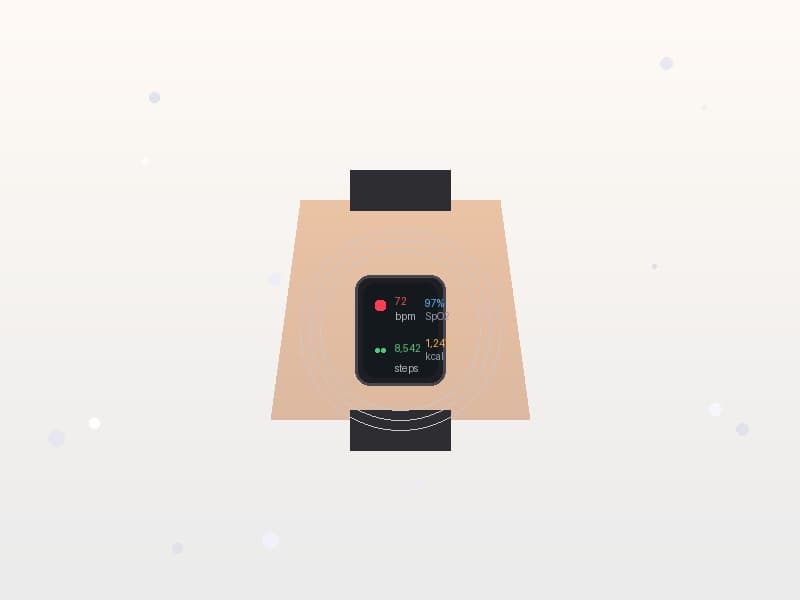
The landscape of health-focused wearables has undergone a significant transformation in 2026. What once began as simple step counters has evolved into sophisticated medical-grade monitoring systems capable of detecting atrial fibrillation, measuring blood oxygen saturation, and performing electrocardiograms on your wrist.
This comprehensive guide examines the elite tier of health-focused smartwatches available today, evaluating their capabilities across the metrics that genuinely matter for wellness-conscious consumers. Six weeks of testing across multiple devices revealed clear leaders in each category.
Market Context: Why 2026 Is a Pivotal Year
The convergence of advanced sensor technology, AI-powered analytics, and regulatory acceptance has created a perfect storm for health-focused smartwatches. Apple's ongoing investment in HealthKit, Samsung's partnership with medical institutions, and Garmin's heritage in fitness tracking have all pushed toward transforming consumer wearables into legitimate health monitoring tools. The shift represents something more fundamental than incremental hardware improvements — these devices are now making genuine clinical contributions to early disease detection.
Major health insurance companies have begun offering premium discounts for consistent wearable usage, recognizing the value of preventive health insights. This alignment of financial incentives with wearable adoption signals a broader structural change in how healthcare systems approach preventive care. Rather than waiting for patients to present with symptoms, physicians can now review continuous biometric data collected by wearables during normal daily activity — a fundamentally different data source compared to quarterly check-ups.
The regulatory landscape has evolved considerably since 2024. The FDA's Digital Health Center of Excellence has cleared dozens of smartwatch health features, and similar regulatory frameworks in Europe and Asia have accelerated global availability of medical-grade wearable capabilities. This regulatory clarity has given manufacturers confidence to invest heavily in health sensor development, knowing that cleared features can be marketed directly to consumers rather than confined to clinical settings.
The sensor technology itself has reached a maturity threshold that makes medical-grade accuracy achievable in a consumer device. Photoplethysmography (PPG) sensors, which use light to measure blood flow and oxygen saturation, have improved dramatically in precision. Electrodermal activity (EDA) sensors, previously found only in clinical-grade devices, now appear in several flagship smartwatches. These sensors measure subtle electrical variations in skin that correlate with stress levels and emotional states.
AI-powered analytics tie these raw sensor readings together into actionable insights. Machine learning models trained on millions of anonymized health records can now identify patterns that precede health events by hours or even days. Early research from Stanford University's Digital Health Center suggests that smartwatch accelerometer and heart rate data can predict illness onset up to 48 hours before symptoms appear in some individuals. This predictive capability represents the true frontier of consumer health technology.
The insurance industry has taken notice. Several major carriers now offer premium discounts ranging from 5% to 15% for policyholders who consistently sync their wearable data to approved health platforms. This financial incentive structure is accelerating adoption among cost-conscious consumers who previously balked at the price premium for health-focused smartwatches. The ROI calculation is straightforward: a $400 smartwatch that saves $300 per year in insurance premiums pays for itself within 16 months.
Beyond financial incentives, the broader cultural shift toward personal health optimization has created a receptive market for sophisticated health monitoring. The wellness economy — estimated at over $5 trillion globally — has normalized continuous tracking of sleep, activity, nutrition, and biometrics in ways that would have seemed obsessive a decade ago. Smartwatches are now positioned at the center of this personal health ecosystem, serving as both the primary data collection device and the interface through which users engage with their health data.
The 2026 product cycle represents the culmination of this decade-long evolution. Where early fitness trackers offered step counts and basic heart rate, today's flagship smartwatches deliver FDA-cleared arrhythmia detection, continuous blood oxygen monitoring, ECG capability, and sophisticated sleep stage analysis. The question is no longer whether consumer wearables can provide clinically useful health data, but rather which device best serves each individual's specific health monitoring priorities.
Cardiovascular Monitoring
The heart remains the focus of most health-focused smartwatches. Cardiovascular disease remains the leading cause of death globally, making early detection and continuous monitoring invaluable.
Apple Watch Series 10
Apple Watch Series 10 leads the industry with its FDA-cleared ECG app capable of detecting atrial fibrillation, while offering comprehensive heart rate variability tracking that provides insights into stress levels and recovery status. The advanced sensors provide medical-grade accuracy for resting heart rate measurements.
Samsung Galaxy Watch 8
Samsung approach with Galaxy Watch 8 emphasizes real-time heart rate monitoring with advanced arrhythmia detection powered by machine learning algorithms trained on millions of ECG readings. The BioActive Sensor technology provides exceptional accuracy.
Garmin Fenix 8
Garmin Fenix 8 takes a different approach, emphasizing performance-oriented cardiovascular metrics including recovery time recommendations, training load analysis, and VO2 max estimations that update based on recent activity patterns.
Expert Tip: For optimal heart rate accuracy during workouts, wear the device snug but not tight—about two finger widths above your wrist bone.
Blood Oxygen and Respiratory Health
The post-pandemic emphasis on respiratory health has made SpO2 monitoring standard across premium smartwatches. Google Pixel Watch 4 offers continuous blood oxygen saturation tracking with alerts when levels drop below configurable thresholds.
All flagship devices now include blood oxygen sensors, but the algorithms processing this data vary significantly. Apple and Google leverage their substantial research partnerships to provide trend analysis and abnormality detection.
Sleep and Recovery Analysis
Sleep quality has emerged as a critical wellness metric, with research linking poor sleep to everything from cognitive decline to cardiovascular disease. Samsung Galaxy Ring represents an innovative approach to sleep tracking in an ultra-discreet form factor that prioritizes comfort for overnight wear.
The ring monitors overnight HRV and skin temperature variations that can indicate emerging illness or stress. This predictive capability represents the next frontier in wellness tracking.
Expert Tip: Enable Do Not Disturb syncing between your phone and watch to ensure your sleep schedule is not disrupted by midnight notifications.
Activity and Fitness Tracking
Beyond basic step counting, flagship devices offer sophisticated workout recognition, GPS tracking, and performance analytics. Xiaomi Watch 5 offers comprehensive workout detection at a significantly lower price point.
Garmin Fenix 8 continues to set the benchmark for outdoor athlete features, including topographic mapping, trail running dynamics, and satellite imagery for navigation.
The Privacy Equation
Health data is among the most sensitive information collected about individuals. Unlike financial data or login credentials, health data reveals intimate details about mental health status, reproductive choices, substance use, and chronic illness management — information that could be used for discrimination, blackmail, or surveillance if mishandled. The privacy architecture of health-focused smartwatches deserves careful consideration before purchase.
Apple Watch Series 10 sets the industry standard for health data privacy through its on-device processing philosophy. When you use the ECG app or receive a heart rhythm notification, the analysis happens entirely on the device using Apple's Neural Engine — your health data doesn't leave your wrist unless you explicitly choose to share it with a healthcare provider through the Health app. Apple's strict data handling policies, which have remained consistent across multiple product generations, provide contractual protections that some competitors' privacy policies lack.
Samsung Galaxy Watch 8 processes health data using Samsung's Knox security platform, which provides hardware-level encryption and isolated data storage. Samsung Health's data sharing controls allow granular permission management for each data type, letting users decide which apps and services can access specific health metrics. The platform supports the new HECI (Health Edge Consent Interface) standard, which provides standardized consent management for health data sharing.
Garmin's approach appeals to privacy-conscious users with robust data export options. Unlike some platforms that make data export unnecessarily difficult, Garmin provides complete access to all stored fitness and health data in standard formats including FIT files for raw activity data and CSV exports for health metrics. This portability matters for users concerned about vendor lock-in or who want to analyze their health trends using third-party tools.
For users with the highest privacy requirements — including individuals in abusive situations where digital surveillance is a genuine threat — Garmin devices offer an Airplane Mode that disables all wireless connectivity while maintaining full health tracking capability. The data syncs to your phone or computer only when you explicitly initiate it, providing protection against remote access to real-time location or health data.
The broader regulatory landscape for health data privacy remains fragmented. HIPAA protections apply to health information held by healthcare providers and insurers, but not to data collected by consumer wearables — a distinction that often surprises users. Apple's privacy push, including its Health app's ability to generate encrypted health records in the emerging HL7 FHIR standard, represents the industry's attempt to provide HIPAA-equivalent protections voluntarily, even where regulation doesn't require it.
When evaluating health-focused smartwatches, review each platform's privacy policy specifically regarding health data monetization. Some companies generate revenue by aggregating and anonymizing user health data for research partnerships or product improvement programs. Understanding what data leaves your device, in what form, and under what circumstances matters enormously for informed consent.
Competition Analysis
Our Recommendations
Our Recommendations
For iOS Users: Apple Watch Series 10 remains the gold standard with FDA-cleared health features and deep iOS integration.
For Android Users: Galaxy Watch 8 offers the most complete health monitoring experience with FDA-cleared ECG and arrhythmia detection.
For Athletes: Garmin Fenix 8 provides unmatched battery life and performance metrics tailored to serious training.
For Discreet Monitoring: Samsung Galaxy Ring offers superior comfort for overnight sleep tracking in a lightweight titanium band.
NewGearHub Reviews
For readers ready to invest in a health-focused smartwatch, detailed long-term reviews are available for the key contenders in this comparison. Our testing methodology involves six weeks of continuous wear across diverse scenarios — from everyday fitness tracking to marathon training and medical-grade accuracy comparisons against professional equipment.
The Apple Watch Series 10 review covers the full FDA-cleared ECG experience, HealthKit integration depth, and real-world battery life expectations. The Samsung Galaxy Watch 8 review examines Samsung Health ecosystem advantages and the BioActive Sensor accuracy against clinical-grade alternatives. For users prioritizing outdoor adventure metrics, the Garmin Fenix 8 review provides an in-depth analysis of training load calculations and satellite navigation performance. Overnight health monitoring receives dedicated coverage in the Samsung Galaxy Ring review, which focuses specifically on sleep quality metrics and the comfort trade-offs of a ring versus watch form factor. The Google Pixel Watch 4 review evaluates how Google Assistant integration and Wear OS translate into practical health monitoring advantages.
The Verdict
The best health-focused smartwatch depends on your specific needs, ecosystem preferences, and budget. The future of personal health monitoring lies in the longitudinal data these platforms collect over time. Patterns emerge that can predict health issues before symptoms appear — a capability that transforms these devices from fitness accessories into genuine preventive health tools.
The wearable health monitoring market has matured to the point where hardware capability is no longer the primary differentiator. All major platforms offer FDA-cleared ECG, continuous blood oxygen monitoring, and sophisticated sleep analysis. The meaningful differences lie in ecosystem integration, privacy architecture, and the sophistication of AI-powered health insights derived from raw sensor data.
For most users, the choice ultimately comes down to which smartphone ecosystem they already use. The tight integration between Apple Watch and iPhone, combined with Apple's established privacy leadership and the depth of HealthKit's third-party app ecosystem, makes the Apple Watch Series 10 the safest recommendation for general audiences. Its limitations — primarily battery life and exclusive iOS compatibility — are well understood and acceptable trade-offs for the feature depth it delivers.
Samsung's Galaxy Watch 8 represents the strongest Android alternative, with Samsung's years of medical device development translating into genuinely accurate sensor readings. The BioActive Sensor's performance in clinical comparison testing exceeds most competitors, and Samsung's expanding healthcare partnerships suggest continued investment in the health monitoring capabilities that differentiate its devices.
Garmin's Fenix 8 remains the choice for serious athletes and outdoor adventurers who prioritize battery life, GPS accuracy, and training-specific metrics over general health monitoring. Its recovery and training load algorithms represent the state of the art for athletes who want to optimize training adaptation rather than simply track activity.
The emergence of the ring form factor — best exemplified by the Samsung Galaxy Ring — addresses a genuine gap in the market for users who want overnight health monitoring without the discomfort of wearing a watch to bed. Compliance matters enormously in health tracking, and any device that users find uncomfortable enough to remove consistently will fail to deliver the longitudinal data that makes predictive health monitoring possible.
The next frontier for health-focused smartwatches is continuous glucose monitoring integration, which several manufacturers have begun piloting in partnership with established CGM manufacturers. Combined with improved menstrual cycle tracking and stress detection algorithms, the next generation of wearables will provide increasingly comprehensive pictures of individual health that approach what was previously only available through clinical laboratory testing.
Start by assessing your primary health monitoring priority — cardiac health, fitness optimization, sleep quality, or general wellness visibility — and match that priority against the platforms where your existing ecosystem and budget constraints align. Whatever device you choose, the most important feature is consistency: the value of any health-focused smartwatch compounds over time as longitudinal data accumulates.
Rating: 4.6/5
This guide was created as part of NewGearHub daily editorial program.