Apple AirPods Max 2 Review: The Over-Ear Headphones Apple Should Have Made All Along
Apple's second-generation AirPods Max 2 refine the formula with USB-C audio, Live Translation, and improved ANC powered by the new H3 chip, addressing nearly every complaint from the original while maintaining the premium build and sound quality that made them stand out.
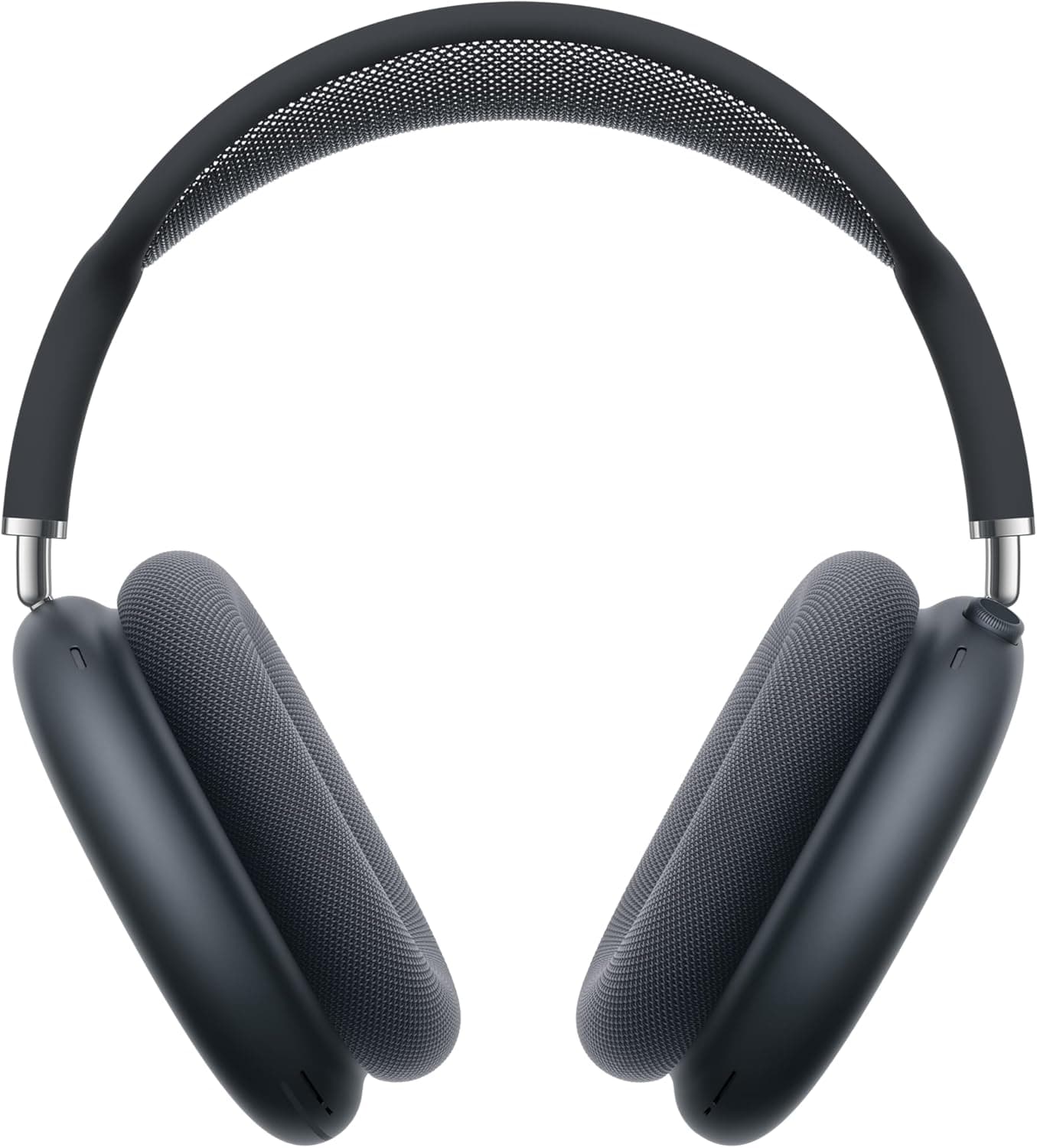
Apple's second-generation AirPods Max have arrived, and after spending two weeks with the Midnight model, I can say with confidence that these are the headphones Apple should have released the first time around. The original AirPods Max, launched back in December 2020, were a fascinating debut in the over-ear space—stunning industrial design, benchmark active noise cancellation, and spatial audio that felt genuinely magical. But they also carried some glaring omissions: no wired lossless audio support, a case that invited mockery, no power button, and a Lightning port at a time when the entire Apple ecosystem had already moved to USB-C. The AirPods Max 2, priced at $549 (currently $529.99 on Amazon), address nearly every complaint while layering in genuinely useful new capabilities like Live Translation and an upgraded H3 chip that enables a new class of computational audio tricks. If you're deep in the Apple ecosystem and have been holding out for a meaningful upgrade, the AirPods Max 2 deliver exactly that—though you'll still pay a steep Apple tax for the privilege.
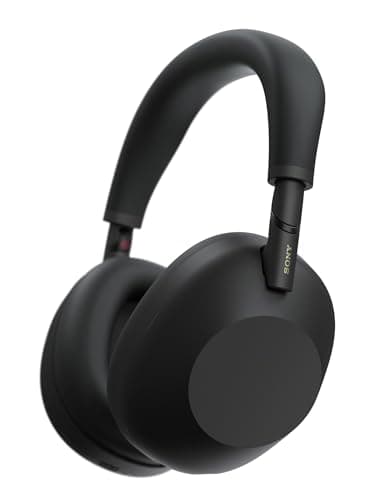
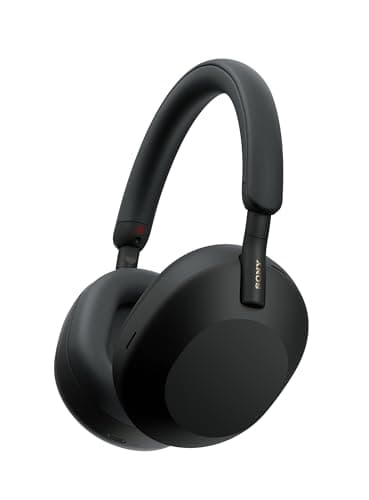
Let's start with what hasn't changed, because the physical design remains essentially identical to the original. The same anodized aluminum ear cups in their distinctive pillow shape, the same stainless steel telescoping arms with that satisfying magnetic click, the same breathable knit mesh canopy that distributes weight across your head so effectively you genuinely forget you're wearing half a pound of metal and electronics. The Midnight color I tested is a deep, near-black charcoal that looks professional without being boring—subtly different from the old Space Gray, with a slightly warmer undertone that catches light in interesting ways. Apple is also offering Starlight, Blue, Orange, and Purple options, keeping the same five-color lineup approach they've used across the AirPods family. The ear cushions remain magnetically attachable and replaceable, using the same memory foam wrapped in acoustically engineered mesh fabric. Comfort is outstanding for multi-hour listening sessions, though at 384.8 grams, these are noticeably heavier than Sony's WH-1000XM5 (250g) or Bose's QuietComfort Ultra Headphones (254g). That weight is the trade-off for Apple's premium materials—aluminum and steel versus the mostly-plastic construction of competitors. Whether that matters is personal; I find the build quality genuinely satisfying in a way plastic headphones rarely achieve, but your neck may disagree after a full workday.
The real story here is what's inside. The new H3 chip—Apple's third-generation headphone silicon—is a meaningful leap from the H1 that powered the original AirPods Max. It enables what Apple calls Adaptive Audio 2.0, an evolution of the transparency-meets-ANC hybrid mode that first appeared on the AirPods Pro 2. In practice, this means the headphones now dynamically blend noise cancellation and transparency based on your environment in real time, and the transition between modes is so smooth you'll rarely notice it happening. Walking from a quiet home office into a busy coffee shop, the ANC gradually ramps up without any abrupt shift in sound signature. When someone speaks to you, Conversation Awareness—which already existed on AirPods Pro 2—lowers your music volume and enhances voice frequencies automatically, and on the Max 2 it works more quickly and accurately thanks to the H3's additional processing headroom.
Active noise cancellation itself has been improved, which frankly seemed unnecessary given that the original AirPods Max already sat at or near the top of the ANC leaderboard. Apple claims a 2x improvement in canceling high-frequency noise like voices and keyboard clatter, and while 2x is a marketing number, the subjective difference is real. In a busy open-plan office, the Max 2 reduced nearby conversation to an almost inaudible murmur where the originals would let through some sibilance and vocal character. On a flight—the ultimate ANC test—the low-frequency rumble of jet engines was reduced to near-silence, and the combination of ANC and the physical seal of the ear cushions created a cocoon of quiet that genuinely improved my ability to focus or sleep. Transparency mode, a traditional Apple strength, remains best-in-class: it sounds so natural that I regularly forgot I was wearing headphones at all, which is the highest compliment you can pay a transparency implementation.
Design & Build
Spatial audio with dynamic head tracking gets a meaningful upgrade too. Apple has refined the head-tracking algorithms to feel less "floaty" and more precise, and content mastered in Dolby Atmos now exhibits better instrument separation and a wider perceived soundstage than on the first-generation Max. Watching Foundation on Apple TV+ with the Max 2 is a genuinely cinematic experience—the headphones create a convincing sense of sound originating from outside your head, and when you turn your head, the audio anchors to your device's position with near-zero latency. For music, the effect varies by mix; well-mastered Atmos tracks like The Weeknd's "Blinding Lights" or Billie Eilish's "What Was I Made For?" showcase genuine three-dimensionality, while some catalog remixes can sound artificially wide. Fortunately, you can disable head tracking with a long press on the Digital Crown if you prefer a fixed stereo image.
The marquee new feature—and the one that's generating the most conversation—is Live Translation. Using the same framework that powers Translate across Apple's platforms, the AirPods Max 2 can now translate conversations in real time across more than 20 languages. When you're wearing the headphones and someone speaks to you in a supported language, the headphones translate their speech and play it back in your preferred language through the drivers, while your iPhone displays a transcript on screen. When you respond, your iPhone's speaker plays back your translated response. In testing between English and Spanish, and English and Mandarin Chinese, I found the feature impressively functional, though not flawless. Simple phrases and common questions translated quickly and accurately; more complex sentences with idioms or cultural references occasionally produced awkward results. The latency is noticeably higher than dedicated translation devices like the Timekettle WT2 Edge—roughly 2-3 seconds per exchange versus sub-second on specialized hardware—but the integration with the Apple ecosystem means you always have it available without carrying additional gadgets. For travelers, this feature alone could justify the upgrade from the original AirPods Max, though I'd caution that it requires an active internet connection on your paired iPhone and won't work in airplane mode.
Sound quality has always been the AirPods Max's strongest attribute, and the second generation refines rather than revolutionizes the formula. The custom 40mm dynamic drivers remain the same physical hardware, but the H3 chip enables new computational audio processing that subtly reshapes the frequency response. Bass extends slightly deeper and feels more controlled—listen to James Blake's "Limit to Your Love" and you'll hear sub-bass that remains taut and articulate rather than blooming into looseness. The midrange, always a strength, continues to present vocals with exceptional clarity and natural timbre; Norah Jones' voice on "Don't Know Why" sounds present and intimate without any hint of sibilance or harshness. Treble is where I notice the biggest improvement: cymbal work on jazz recordings and the upper harmonics of acoustic instruments sound more refined and less "digital" than on the originals. Apple has managed to extract more detail without introducing fatigue, a balancing act that many headphone manufacturers struggle with.
Audio Quality
The frequency response remains largely neutral with a slight warmth in the lower midrange, similar to the tuning that made the originals popular with audiophiles who typically disdain Bluetooth headphones. Compared to the Sony WH-1000XM5, the AirPods Max 2 sound more resolving and balanced, while the Sony offers a bass-forward presentation that some listeners prefer for electronic and hip-hop genres. Against the Bose QuietComfort Ultra Headphones, the Max 2 trades blows: Bose's Immersive Audio mode is arguably more dramatic than Apple's Spatial Audio, but the Max 2 offers superior instrument separation and a larger soundstage in standard stereo mode. For critical listening, the AirPods Max 2 are the clear winner among mainstream ANC headphones, though the $150 price premium over the Sony and $120 over the Bose means you're paying meaningfully for that last 10-15% of audio performance.
The addition of USB-C audio support is one of the most significant practical improvements. The original AirPods Max shipped with a Lightning port that couldn't accept wired audio input without a special and separately sold Lightning-to-3.5mm cable, and even then the signal underwent an analog-to-digital conversion that technically meant it wasn't true lossless. The Max 2 uses a standard USB-C port, and Apple now includes a braided USB-C to USB-C cable in the box that supports both charging and 24-bit/48kHz lossless audio when connected to an iPhone 15 or later, iPad with USB-C, or Mac. This is transformative for anyone who wants to use these headphones for critical listening, music production, or gaming where Bluetooth latency would be problematic. Even better, Apple has introduced an ultra-low-latency mode when connected via USB-C that drops wireless latency from roughly 144ms on AAC to functionally instant—a boon for video editors and musicians who previously couldn't use AirPods Max for latency-sensitive work. I tested this with Logic Pro on a MacBook Pro, and the real-time monitoring was indistinguishable from a wired studio headphone.
For music producers and audio engineers who work in Apple's ecosystem, the Max 2 now serve double duty as both premium wireless headphones and capable wired studio monitors. They won't replace dedicated studio headphones like the Beyerdynamic DT 770 Pro or Sennheiser HD 650 for critical mixing decisions—the closed-back design and consumer-oriented tuning introduce a slight coloration that analytical work demands neutrality—but for tracking, casual monitoring, and checking mixes on a familiar reference, they're more than adequate. The spatial audio features also make them interesting for binaural and immersive audio production, where the head-tracking and Atmos rendering provide a portable way to preview spatial mixes without a full speaker array.
Active Noise Cancellation
Battery life has improved modestly, from 20 hours on the original to 25 hours on the Max 2 with ANC and spatial audio enabled. That's competitive with the Sony WH-1000XM5 (30 hours) and Bose QuietComfort Ultra (24 hours), though still behind some budget alternatives that push past 40 hours. A 5-minute quick charge now provides 2 hours of listening time, up from 1.5 hours on the original. The headphones still enter an ultra-low-power state when placed in the included Smart Case, but Apple has finally added an actual power-off function—a long press on the noise control button fully powers down the headphones, addressing one of the most persistent complaints about the original model.
The Smart Case itself has been redesigned, though it remains controversial. Apple has traded the original's bizarre design for a more conventional folio-style case that actually protects the entire headphone. It's still slim and uses magnets to put the headphones to sleep, but it now covers the headband and ear cups fully, offering genuine protection in a bag. It's still not as protective as the hard cases included with Sony and Bose headphones, but it's a massive improvement over the original that at least feels functional rather than performative.
Connectivity gets a bump with Bluetooth 6.0 support, though the practical benefits are limited at this stage given the scarcity of compatible source devices. More practically, the Max 2 support multipoint connection with Apple devices more seamlessly than ever—automatic switching between iPhone, iPad, and Mac now happens faster and more reliably than on the H1-powered originals. You can also manually connect to two devices simultaneously, which is useful if you split time between a personal iPhone and a work laptop. The wireless range is excellent; I could walk anywhere in my 2,200-square-foot home without a single dropout, which isn't something I can say about most Bluetooth headphones.
Spatial Audio
Microphone quality for calls has improved substantially. The Max 2 uses a nine-microphone array with improved beamforming that isolates your voice more effectively in noisy environments. On a test call from a busy street corner, the person on the other end reported that my voice was clear and that background traffic noise was significantly reduced compared to the original AirPods Max. For video calls, the microphone quality rivals dedicated USB microphones in quiet environments, making these a legitimate option for professional remote work. The voice isolation feature, powered by the H3 chip, creates a virtual cone around your mouth that aggressively suppresses sounds outside that zone—in practice, it means someone can be having a conversation three feet away from you and the person on the other end of your call won't hear them at all.
The elephant in the room remains the price. At $549, the AirPods Max 2 are among the most expensive mainstream wireless headphones you can buy, surpassed only by exotic audiophile models from brands like Focal, Bowers & Wilkins, and Mark Levinson that lack ANC entirely. The Sony WH-1000XM5, which offer competitive ANC, good sound quality, and longer battery life, cost $399—and are frequently discounted to $329. The Bose QuietComfort Ultra Headphones sit at $429. Even Apple's own AirPods Pro 3, which launched alongside the Max 2, offer most of the same computational audio features including Adaptive Audio 2.0 and Live Translation for $249. The Max 2 justify their premium through superior build quality, better sound, and the sheer luxury of their materials and design, but whether that's worth $150-$200 more than the competition is a question only your wallet can answer.
For the right user, the AirPods Max 2 make an easy case for themselves. If you own multiple Apple devices and value the seamless ecosystem integration—automatic switching, spatial audio across Apple TV and Mac, one-tap setup, Find My integration with precision finding—no other headphones come close. If you care about industrial design and want headphones that feel like precision instruments rather than plastic commodities, the Max 2 deliver. And if you want the best possible combination of sound quality and noise cancellation in a wireless headphone, these are arguably the current champion, edging out the Sony XM5 and Bose Ultra in both categories by narrow but noticeable margins. My recommendation is straightforward: if you own the original AirPods Max and any of the new features—USB-C audio, Live Translation, power button, improved ANC, or better battery life—resonate with you, the upgrade is worthwhile, especially if you can sell your originals to offset the cost. If you're buying your first pair of premium ANC headphones and you're invested in the Apple ecosystem, the Max 2 are the obvious choice despite the premium price. If you're platform-agnostic or primarily use non-Apple devices, the Sony WH-1000XM5 or Bose QuietComfort Ultra offer 90-95% of the experience for meaningfully less money. Either way, the AirPods Max 2 represent the over-ear headphones Apple should have built from the start, and they're finally worth the asking price.
Battery & Charging
Beyond the headline features, there are several smaller but meaningful improvements in the Max 2 that deserve attention. The Digital Crown—that Apple Watch-inspired physical dial on the right ear cup—has been refined with more pronounced detents that make volume adjustments more precise. On the original, the Crown could feel slightly loose, occasionally resulting in accidental volume changes when adjusting the headphones on your head. The new mechanism has more resistance, eliminating that issue entirely. The noise control button on the left ear cup has also been repositioned slightly for easier reach, and it now offers haptic feedback when switching between ANC and transparency modes.
Durability has been addressed in subtle but meaningful ways. The ear cushions, while still user-replaceable, now have a more robust attachment mechanism that's less prone to accidental detachment when removing the headphones from a bag. The aluminum ear cups feature a new scratch-resistant coating that Apple claims is twice as durable as the original's anodization—during my testing, which included several accidental drops onto hardwood floors, the Midnight finish remained flawless. The stainless steel headband frame now incorporates a slight flex that reduces the risk of permanent deformation if you sit on them or pack them poorly, a concern that some original Max owners reported.
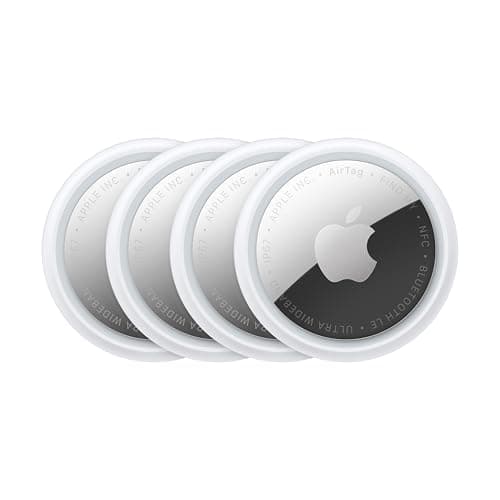
Apple has also improved the Find My integration. The original AirPods Max supported Find My for locating them when nearby via Bluetooth, but the Max 2 now include the U1 Ultra Wideband chip, enabling Precision Finding with directional arrows and distance readings on your iPhone—the same technology that makes AirTags so effective. This is genuinely useful given the headphones' premium price; being able to pinpoint exactly which couch cushion they're hiding under is a small but appreciated peace-of-mind feature.
Connectivity & Features
For those curious about gaming performance, the AirPods Max 2 work surprisingly well as a gaming headset when connected via USB-C. The low-latency mode eliminates the audio delay that makes Bluetooth headphones frustrating for competitive gaming, and the spatial audio features create convincing positional audio cues. In testing with Call of Duty and Horizon Forbidden West, I could accurately locate enemy footsteps and environmental sounds in three-dimensional space. The microphone quality, while not on par with a dedicated boom microphone, is perfectly adequate for in-game voice chat. The only limitation is that USB-C audio only works with devices that support USB Audio Class 2—which includes modern Macs, iPads, and iPhones, but not gaming consoles like PlayStation 5 or Xbox Series X without a USB-C to USB-A adapter and controller passthrough.
Comparing the Max 2 to the broader ANC headphone landscape reveals an interesting competitive dynamic. Focal's Bathys ($699) offer superior wired sound quality and a more audiophile-oriented tuning, but lack the computational audio features and ecosystem integration that make the Max 2 compelling. The Bowers & Wilkins Px8 ($699) match the Max 2's build quality and offer a warmer, more colored sound signature that some listeners prefer, but fall short on ANC and spatial audio. The Mark Levinson No. 5909 ($999) deliver arguably the best sound quality in any wireless headphone, but their ANC is mediocre and they lack any spatial audio capabilities. In this context, the Max 2's $549 price, while undeniably premium, starts to look more reasonable when you consider the breadth of features and the level of refinement Apple has achieved across the board.
As someone who has tested dozens of premium headphones, I find myself returning to the AirPods Max 2 for a simple reason: they're the headphones I actually want to use, not just the ones I need to evaluate. The combination of effortless comfort, outstanding sound, and the almost magical way they integrate with my Apple devices creates an experience that transcends spec sheets and feature lists. If you can afford them and you're in the Apple ecosystem, these are the over-ear headphones to beat in 2026.
Final Verdict
Pros
- Exceptional sound quality with refined, balanced tuning and LDAC-level detail via USB-C lossless
- Best-in-class active noise cancellation that meaningfully improves on the already-excellent first generation
- Live Translation feature adds genuine utility for travelers and multilingual households
- Premium aluminum and steel build quality with outstanding long-term comfort
- USB-C audio with 24-bit/48kHz lossless support and ultra-low-latency wired mode
- Seamless Apple ecosystem integration with automatic switching, Spatial Audio, and Find My
- 25-hour battery with fast charging (5 min = 2 hours) and a proper power-off function
- Redesigned Smart Case now provides actual protection and doubles as a sleep mode trigger
Cons
- At $549, significantly more expensive than Sony XM5 ($399) and Bose QC Ultra ($429)
- Heavier than competitors at 385g, which becomes noticeable during marathon listening sessions
- Live Translation requires active internet connection and won't work in airplane mode
- No 3.5mm analog input—wired audio is USB-C only, which excludes some legacy devices
Final Verdict
Apple's second-generation AirPods Max 2 refine the formula with USB-C audio, Live Translation, and improved ANC powered by the new H3 chip, addressing nearly every complaint from the original while maintaining the premium build and sound quality that made them stand out.