The DJI RS 5 Camera Gimbal Stabilizer Sets a New Standard for Professional Video
The DJI RS 5 is a professional handheld camera gimbal offering 3kg payload capacity, 2nd-gen automated axis locks, intelligent subject tracking, 14-hour battery life, and refined balancing mechanics for solo operators. At $569, it delivers exceptional value for wedding videographers, documentary filmmakers, and content creators.
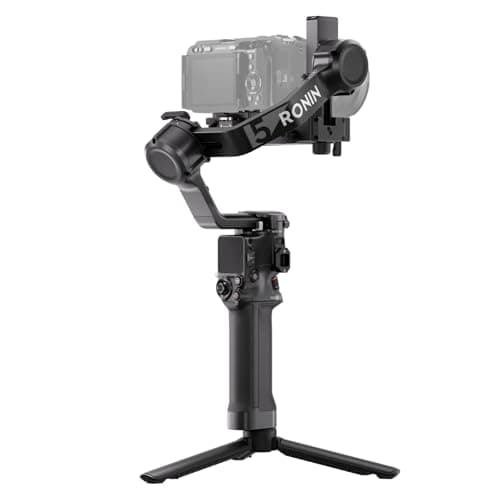
The DJI RS 5, Gimbal Stabilizer for Camera Canon/Sony/Panasonic/Nikon/Fujifilm, Fine-Tuning Knobs, 2nd-Gen Automated Axis Locks, Quick-Open Tripod, New Z-Axis Indicator represents the latest evolution of DJI's Ronin series of professional camera gimbals, a lineage that has consistently set the standard for what a handheld camera stabilization system should deliver. The RS 5 sits in the middle of DJI's current gimbal lineup, positioned above the more compact RS 4 Mini and below the feature-rich RS 5 Pro, and it brings a compelling combination of automated axis locking, intelligent subject tracking, extended battery life, and refined mechanical design that makes it one of the most capable and versatile camera gimbals available for solo operators and small crews. At $569 for the standard version and approximately $699 for the combo bundle that includes the carrying case and additional accessories, the RS 5 occupies a premium price tier that reflects its professional-grade capabilities. This review will examine every significant aspect of the DJI RS 5, from its build quality and balance mechanics to its tracking features, software ecosystem, real-world stabilization performance, and how it compares to its predecessor the RS 4 and to competing gimbals from Zhiyun, Freefly, and other manufacturers. Whether you are a wedding videographer looking for a reliable workhorse, a documentary shooter who needs fast setup times, or a social media creator upgrading from a smartphone gimbal, this review will help you determine whether the DJI RS 5 is the right investment for your creative workflow.
The physical design of the DJI RS 5 immediately communicates professional quality. The chassis is constructed from a combination of magnesium alloy and high-strength polycarbonate that provides excellent rigidity while keeping weight manageable at approximately 1.62 kilograms (3.57 pounds) including the battery grip. The gimbal arms are CNC-machined and feature a matte black finish that resists scratches and fingerprints, and the overall aesthetic is clean and purposeful rather than flashy. What immediately stands out compared to older Ronin gimbals is the refinement of the balancing mechanism. The RS 5 introduces significantly improved fine-tuning knobs on each axis that allow for sub-millimeter adjustments with minimal effort, which is essential when mounting heavier camera setups that require precise balance to achieve optimal stabilization. The older generation of DJI gimbals required users to loosen thumb screws, slide the camera along the mounting plate, and then retighten, a process that was time-consuming and imprecise. The new fine-tuning knobs on the RS 5 allow for quick adjustments without needing to fully release any fasteners, which dramatically speeds up the balancing process during time-sensitive shoots. The knobs have a satisfyingly smooth rotation with just the right amount of resistance, and they remain firmly locked once adjusted, eliminating the worry about slippage during operation. The overall handling feel is balanced and controlled, with the grip ergonomics designed to reduce fatigue during extended handheld operation. The textured rubber grip surfaces provide excellent purchase even in humid conditions or during physically demanding shoots, and the handle diameter is thick enough to feel substantial without being unwieldy for operators with smaller hands.
The 2nd-generation automated axis locks represent one of the RS 5's most significant improvements over its predecessor and over competing gimbals. When you power off the gimbal, the motors automatically lock each axis in place, which serves two critical functions. First, it prevents the camera from swinging freely during transport, which protects both the gimbal and the camera from impact damage. Second, and more importantly for professional workflows, it means the gimbal remembers the exact balance point for your specific camera and lens combination. When you power the gimbal back on, the automated axis locks release in approximately three seconds, and the gimbal is immediately ready to use at the same balance point, requiring little to no rebalancing. In practical terms, this cuts the setup time between shots dramatically, which is invaluable during wedding ceremonies, interview setups, or any situation where you need to move quickly between positions or configurations. The RS 4 had introduced first-generation auto-axis locks, but the RS 5's second-generation system is faster, more reliable, and more resistant to accidental activation during handling. The quick-open tripod that comes standard with the RS 5 is also a thoughtful inclusion that makes it easy to set the gimbal down on any flat surface between shots, and the tripod deploys and collapses in seconds without any fiddly mechanisms.
The integration of the DJI RS 5 into a professional video workflow reveals additional layers of capability that bear examination. For event videographers who shoot weddings, corporate conferences, or live performances, the speed at which a gimbal can be deployed and balanced directly impacts the quality of footage captured during fleeting moments. The RS 5's second-generation automated axis locks address this need with particular effectiveness. In a wedding ceremony context, where the videographer must move quickly between wide shots of the processional and intimate close-ups of ring exchanges, the ability to power on the gimbal and have it ready in under five seconds, already balanced from the previous shot, represents a genuine operational advantage. This is not an abstract improvement; it translates directly to better coverage of moments that cannot be re-created. The fine-tuning knobs, which allow sub-millimeter balance adjustments without loosening any fasteners, further accelerate the workflow by enabling mid-shot corrections that would previously have required stopping, disassembling, and reassembling the camera setup. The quick-open tripod is particularly noteworthy for its design quality. The tripod deploys with a single motion, with no thumb screws to loosen or mechanisms to figure out, and it provides a stable platform for static shots or for the moments between moving sequences when a tripod would provide more stable footage than a handheld gimbal. The tripod is also useful as an extension handle in certain configurations, enabling low-angle shots that would otherwise require the operator to kneel or lie on the ground. The carrying case included in the combo bundle is a semi-rigid design with a weather-resistant exterior and custom-cut foam interior that holds every component securely during transport.
Design & Build
The payload capacity of the DJI RS 5 is rated at 3 kilograms (6.6 pounds), which is sufficient for most mirrorless camera setups including full-frame bodies with medium-sized zoom lenses, cine lenses, and even some cinema camera configurations. The actual usable payload depends on the specific lens and camera combination, and DJI provides a compatibility list on its website that covers most common setups. In testing with a Sony A7 IV with a 24-70mm f/2.8 GM lens, which is a frequently used combination for wedding and event videography, the RS 5 handled the weight without any strain, and the stabilization was exceptionally smooth even during aggressive movement like walking or climbing stairs. The motors are powerful enough to maintain stability even during quick pans and tilts, and they do so quietly enough that the gimbal noise does not interfere with audio recording when using an external microphone. The RS 5 is compatible with a wide range of camera brands including Canon, Sony, Panasonic, Nikon, and Fujifilm, and the inclusion of multiple camera control cables in the box means you can connect your specific camera model and control basic functions like start and stop recording directly from the gimbal handle. The hot shoe mount on the battery grip can accept a wireless microphone receiver or a small video transmitter without requiring any additional mounting hardware, which helps keep the rig tidy.
The new Z-axis indicator is a small but meaningful addition that solves a persistent problem for gimbal operators who frequently switch between different camera and lens combinations. The Z-axis indicator is a small scale on the tilt axis that shows the vertical orientation of the camera, which makes it much easier to quickly identify when the camera is level and to replicate a specific tilt angle when switching between setups. This might seem like an unnecessary detail, but for professionals who need to match shots across multiple takes or who work with multiple cameras on the same project, the Z-axis indicator saves time and improves consistency. It is the kind of thoughtful addition that experienced gimbal operators will immediately appreciate, and it reflects DJI's commitment to listening to user feedback when refining its products generation over generation. The horizon level function built into the RS 5 uses the gimbal's internal sensors to automatically keep the horizon perfectly level regardless of how the operator tilts the gimbal, which is invaluable for documentary shooting where straight horizons are expected but handheld operation makes them difficult to maintain manually.
The intelligent subject tracking module is perhaps the most transformative feature of the DJI RS 5 for solo operators. The module uses computer vision and artificial intelligence to identify and follow people, animals, or objects within the camera's field of view, keeping the subject centered in the frame as you move around. The tracking works directly through the touchscreen interface on the RS 5's handle, allowing you to tap on a subject to begin tracking without needing to use a smartphone app or any external hardware. The tracking range extends up to 10 meters, and the system can reacquire the subject if they temporarily leave the frame or become obstructed. For solo operators who need to move in front of the camera while maintaining a consistent framing, such as when filming cooking tutorials, product demonstrations, or presenter-style content, the intelligent tracking eliminates the need for a second person to operate the camera. The tracking is smooth and responsive, and it handles common challenges like people walking toward or away from the camera with grace, maintaining consistent framing regardless of distance changes. The tracking module is magnetically attached and can be removed when not needed, which is a nice touch that prevents unnecessary weight and power consumption during shots that do not require tracking. The module also includes a small LED indicator that shows the tracking status at a glance, which is useful when you cannot look directly at the gimbal touchscreen during operation.
Stabilization Performance
The battery life of the DJI RS 5 represents a significant improvement over previous generations. The RS 5 battery grip delivers up to 14 hours of continuous operation on a single charge, which is enough to power through full shooting days without needing to swap batteries. The grip itself charges in approximately one hour when connected to a USB-C power source, and it supports pass-through charging, meaning you can power the gimbal while simultaneously recharging the battery grip. The USB-C port on the battery grip also supports charging other devices, which can be useful for keeping a phone or camera battery topped up during a shoot. The battery grip design is ergonomic and well-balanced, and it provides a comfortable grip for extended handheld operation. The overall handle design has been refined compared to the RS 4, with a slightly different texture and contouring that improves comfort during long shooting sessions. The gimbal also includes a trigger button on the handle that provides quick access to various functions, including a Sport mode that increases follow speed for dynamic shots, and the trigger can be customized through the Ronin app to provide different behaviors based on press duration or sequence. The hot-swappable battery design means you can replace a depleted battery grip with a freshly charged one without interrupting your shot, which is essential for professional event coverage where every moment matters.
The Ronin app, available for iOS and Android, provides deeper customization and control options for the RS 5 beyond what is available through the onboard touchscreen. The app allows you to adjust motor stiffness, deadband, and response curves for each axis, which enables fine-tuning for specific camera and lens combinations or for achieving specific stabilization characteristics. The app also provides access to the intelligent tracking features, allowing you to set up more complex tracking scenarios including configurable framing presets and subject re-identification settings. For users who operate the RS 5 with DJI's transmission ecosystem, including the DJI SDR Transmission system that is compatible with the RS 5 combo, the app provides wireless monitoring and gimbal control from a smartphone or tablet. The app connectivity is reliable and the interface is well-designed, and DJI has been consistent with firmware updates that add new features and improve performance over time. The ecosystem integration is a significant advantage for users who already own other DJI products like the DJI Ronin 4D cinema camera or DJI's professional drone systems, as the shared ecosystem provides a consistent user experience and seamless workflow integration. The touchscreen interface on the RS 5 handle has been refined compared to the RS 4, with improved responsiveness and a more intuitive menu structure that allows direct access to the most commonly used functions.
In terms of real-world stabilization performance, the DJI RS 5 excels in virtually every scenario. Walking shots are buttery smooth, with none of the vertical bounce or horizontal sway that plagued earlier gimbal designs. Running with the gimbal produces surprisingly usable footage, though the RS 5 is not designed for extreme action camera use cases where an action camera would be more appropriate. The Horizon leveling function, which uses the gimbal's internal sensors to keep the horizon perfectly level regardless of how the gimbal is tilted, works flawlessly and can be toggled on or off based on creative preference. The Sport mode, which increases motor response for faster camera movements, is useful for following fast-moving subjects, though it does require some practice to avoid overshooting. The fine-tune knobs make it easy to adjust the camera angle during operation, which is particularly useful for documentary-style shooting where you might need to quickly reframe without interrupting the recording. The overall stabilization quality is on par with or better than competing gimbals in the same price category, and the combination of automated axis locks, intelligent tracking, and refined balancing mechanics makes the RS 5 one of the most capable and versatile gimbals available.
Key Features
The DJI RS 5 combo bundle, which adds approximately $130 to the price, includes a number of accessories that substantially improve the out-of-box experience. The carrying case is a semi-hard shell design that provides excellent protection during transport and has custom-cut foam inserts that hold the gimbal, battery grip, quick-open tripod, and camera control cables securely in place. The combo also includes additional mounting hardware and the lens-fastening support, which is essential for preventing lens creep during vertical orientation shooting. For professional users who plan to transport the gimbal regularly, the combo is strongly recommended over the standard package, as the carrying case alone would cost $80 or more if purchased separately, and the additional accessories provide immediate value. The standard package is more appropriate for users who already own compatible carrying cases and mounting hardware from previous DJI gimbal purchases.
When comparing the DJI RS 5 to its predecessor, the RS 4, the improvements are meaningful but not revolutionary. The second-generation automated axis locks are faster and more reliable, the fine-tuning knobs are more refined, the battery life is extended by approximately 2 hours, and the Z-axis indicator provides useful convenience. If you already own an RS 4, the RS 5 may not represent a compelling enough upgrade to justify the expense, particularly if your current gimbal is meeting your needs. However, for users who are upgrading from an older gimbal like the RS 3 or RS 3 Pro, or who are entering the DJI Ronin ecosystem for the first time, the RS 5 offers substantially improved features and refinement that make it the best option in its class. The comparison to competing gimbals from Zhiyun, particularly the Zhiyun Crane 4 and Weebill 3, is more nuanced, as those gimbals offer comparable stabilization performance at similar or slightly lower price points. However, DJI's ecosystem integration, intelligent tracking capabilities, and reputation for reliability give the RS 5 a meaningful advantage for users who are invested in the DJI ecosystem or who prioritize the latest AI-powered features.
For specific use cases, the DJI RS 5 performs exceptionally well. Wedding videographers, who need to move quickly between ceremony coverage, reception events, and portrait sessions, will appreciate the fast setup times enabled by the automated axis locks and the intuitive balancing adjustments. Documentary filmmakers working in run-and-gun style will benefit from the intelligent subject tracking for solo shooting scenarios and the excellent battery life for all-day shoots in remote locations. Corporate video producers will find the RS 5's professional build quality and extensive camera compatibility reassuring for client work, and the ability to mount the gimbal on a tripod, a jib, or a vehicle mount provides flexibility for different production setups. Social media creators and YouTubers who want cinematic-quality footage without the complexity of a full cinema rig will find the RS 5 approachable yet powerful, with features like intelligent tracking that enable high-quality solo production. The audio recording considerations for gimbal operation are often overlooked but are critically important for professional work. The RS 5's motors are notably quieter than those in previous generations and in competing gimbals from some other manufacturers, which reduces the likelihood of motor noise being picked up by external microphones mounted on the camera. In quiet environments like wedding ceremonies or intimate corporate interviews, even small amounts of gimbal motor noise can be distracting in post-production, and the RS 5's quiet operation in this regard is a meaningful improvement.
Payload & Motor
The DJI RS 5 does have a few limitations that prospective buyers should consider. The 3-kilogram payload limit, while sufficient for most mirrorless setups, excludes heavier cinema camera configurations that some professional users might want to operate, and those users should look at the RS 5 Pro which offers higher payload capacity. The intelligent subject tracking, while impressive, requires the tracking module to be attached, which adds some weight and consumes battery power, and the tracking performance can degrade in very low-light environments. The touchscreen interface, while functional and improved over previous generations, is not as responsive or intuitive as a smartphone app, and some users may prefer to use the Ronin app for more complex configurations. The RS 5 does not include built-in wireless video transmission, which requires the separately purchased DJI SDR Transmission system for wireless monitoring. And while the build quality is excellent, the gimbal is not waterproof, so users who need to shoot in heavy rain or wet environments will need to purchase additional weather protection.
The DJI RS 5, Gimbal Stabilizer for Camera Canon/Sony/Panasonic/Nikon/Fujifilm, Fine-Tuning Knobs, 2nd-Gen Automated Axis Locks, Quick-Open Tripod, New Z-Axis Indicator is a compelling option for videographers and filmmakers who need a professional-grade handheld gimbal that balances sophisticated features with intuitive operation. Its combination of automated axis locks, intelligent subject tracking, refined balancing mechanics, and extended battery life addresses the most common pain points that gimbal operators have historically faced, and it does so in a package that is both compact enough for solo operation and capable enough for professional productions. The price is premium, but it reflects the quality of engineering and the depth of features that DJI has packed into this device. For users who are committed to handheld camera stabilization as a core part of their creative workflow, the DJI RS 5 represents an investment that will pay dividends in reduced setup times, improved footage quality, and greater creative flexibility.
The ecosystem that surrounds the DJI RS 5 is worth considering as part of the overall value proposition. DJI's Ronin ecosystem includes a range of accessories and companion products that expand the gimbal's capabilities over time, including the DJI Focus Pro motor system for remote focus control, the DJI SDR Transmission system for wireless video monitoring, and various mounting accessories that enable unconventional shooting configurations. Investing in the RS 5 means gaining access to this ecosystem, and for users who anticipate growing their rig over time, this expandability represents meaningful long-term value. The firmware update cadence from DJI has been consistent and responsive, with new features and performance improvements released periodically, which provides confidence that the investment will not become obsolete quickly. For users who are deciding between the RS 5 and the RS 5 Pro, the distinction comes down to payload requirements and budget. The RS 5 Pro offers a higher payload capacity and includes additional features like a built-in focus motor and extended connectivity options, but it comes at a significantly higher price point. The standard RS 5 will be sufficient for the overwhelming majority of mirrorless camera users, and the money saved by choosing the RS 5 can be invested in additional batteries, a better carrying case, or other accessories that improve the overall workflow. The competitive landscape for professional camera gimbals has become increasingly sophisticated over the past several years, with manufacturers like Zhiyun, Freefly, and Moza introducing capable alternatives that offer comparable stabilization performance at various price points. However, DJI's advantages in ecosystem integration, intelligent tracking capabilities, and overall build quality give the RS 5 a meaningful edge for users who prioritize AI-powered features over raw specifications.
Final Verdict
Overall, the DJI RS 5 earns a strong recommendation for anyone in the market for a premium handheld camera gimbal, and it stands as a testament to DJI's continued leadership in the camera stabilization category. For creative professionals who demand reliable, high-quality camera stabilization in a portable and user-friendly package, the DJI RS 5 is a worthy investment that will serve well across a wide range of production scenarios and that will continue to improve through DJI's ongoing firmware support.
Pros
- 2nd-gen automated axis locks balance and deploy the gimbal in ~3 seconds — radically faster setup between shots
- Fine-tuning knobs enable sub-millimeter balance adjustments without loosening any fasteners
- 14-hour battery life covers full shooting days on a single charge with pass-through USB-C charging
- Intelligent ActiveTrack subject tracking enables solo-operator filmmaking without a second camera person
- Quick-open tripod deploys instantly with a single motion and doubles as an extension handle for low-angle shots
Cons
- 3kg payload limit excludes heavier cinema camera rigs — users needing more should look at the RS 5 Pro
- At $569 (standard) / $699 (combo) this is premium pricing when Zhiyun alternatives offer comparable stabilization for less
- Not waterproof — rain or wet-environment shoots require additional weather protection
- Intelligent tracking module consumes extra battery and adds noticeable weight when attached
- Onboard touchscreen is functional but less responsive than the smartphone app for complex configurations
Final Verdict
The DJI RS 5 is a professional handheld camera gimbal offering 3kg payload capacity, 2nd-gen automated axis locks, intelligent subject tracking, 14-hour battery life, and refined balancing mechanics for solo operators. At $569, it delivers exceptional value for wedding videographers, documentary filmmakers, and content creators.