Samsung Galaxy S26+ Review: The Flagship Balance That Makes Everyone Else Nervous
The Samsung Galaxy S26+ delivers flagship performance, a stunning 6.7-inch AMOLED display, versatile cameras, and Galaxy AI features at $999 — the sweet spot in Samsung's 2026 lineup.
When Samsung dropped the Galaxy S26 Ultra earlier this year, the tech world reacted with the usual mix of awe and hand-wringing over its price tag. But the real story — the one most people will actually live with — might be the Galaxy S26+. At $999, it delivers nearly everything that makes the Ultra great while keeping one foot firmly planted in the real world. That's a trickier balancing act than it sounds, and Samsung mostly nails it.
I've spent the past several weeks with the Galaxy S26+ as my primary device, and I'm ready to talk about what that experience actually looks like beyond the spec sheet.
Unboxing and First Impressions
The Galaxy S26+ arrives in Samsung's now-familiar minimal packaging — a dark box with the phone nestled inside, accompanied by a USB-C cable, a SIM ejector tool, and the usual paperwork. No charging brick here, which remains the industry's controversial norm.
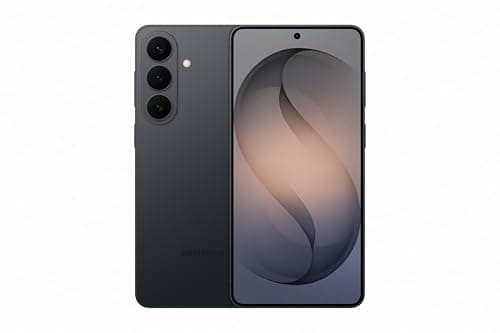
The phone itself immediately communicates quality. The 6.7-inch form factor hits a sweet spot — large enough to feel immersive when watching content or multitasking, but not so unwieldy that one-handed use becomes a party trick. The flat display (a welcome change from the curved edges Samsung experimented with in previous generations) makes the phone easier to hold and significantly reduces accidental touches. Corning Gorilla Glass Victus 3 protects both the front and back, and after weeks without a case, the screen shows no meaningful scratches.
Samsung offers the S26+ in four colors: Black, Cobalt Violet, Sky Blue, and White. The review unit is Sky Blue, and it's genuinely striking in person — a muted, sophisticated tone that shifts under different lighting conditions. The camera module on the rear is largely unassuming this time around, with Samsung opting for a cleaner integration rather than the more pronounced island seen in earlier generations.
The in-display fingerprint sensor is fast and reliable, and face unlock via the 12MP front camera is snappy in good lighting. Neither is revolutionary, but both work the way you'd expect.
Display: A Panel That Refuses to Disappoint
Samsung makes the best smartphone displays in the business, and the S26+ continues that tradition with a 6.7-inch QHD+ Dynamic AMOLED 2X panel running at 120Hz. The resolution comes in at 3120 x 1440, and it's one of the most vibrant, detailed screens I've used on any device.
Brightness levels are exceptional. Samsung rates the panel at 2,600 nits peak brightness, and real-world use backs that up — even under direct California sunlight, the display remained perfectly readable. HDR10+ content looks stunning, with inky blacks, punchy highlights, and colors that feel accurate without the oversaturation that plagued earlier Samsung panels.
The 120Hz adaptive refresh rate is smooth without being wasteful. Samsung intelligently steps the refresh rate down based on the content, so scrolling through social media feels silky, while a static email sits comfortably at 1Hz to preserve battery. You can lock it to 60Hz if you want, but there's really no reason to.
One small thing I appreciate: the flat display makes the S26+ much more usable with a screen protector. Curved displays and tempered glass have never played nicely together, and Samsung's course correction here is a win for durability.
Performance: Snapdragon 8 Elite Gen 5 Does Not Disappoint
Under the hood, the Galaxy S26+ runs Qualcomm's Snapdragon 8 Elite Gen 5 processor — the same chip powering the Ultra. Paired with 12GB of RAM and either 256GB or 512GB of storage, this is a phone that simply refuses to slow down.
Day-to-day performance is predictably excellent. Apps open instantly, multitasking is effortless, and the UI responds to every input with zero perceptible lag. Samsung's One UI 8.5 (built on Android 16) is polished and feature-rich without feeling bloated, though the bloatware situation remains slightly frustrating — Samsung and carrier apps sit alongside genuinely useful tools like Good Guardians and Samsung Health.
Gaming performance is where the Snapdragon 8 Elite flexes its muscles. Genshin Impact runs at max settings without breaking a sweat, and even demanding titles like Honkai: Star Rail maintain smooth framerates. Thermal management is solid — the phone gets warm during extended gaming sessions but never uncomfortably hot, and throttling is minimal during sustained workloads.
For those who care about benchmarks: the S26+ posts numbers that put most laptops to shame. In Geekbench 6, expect single-core scores around 3,100 and multi-core scores near 10,000. These figures represent a meaningful year-over-year improvement and place the S26+ firmly at the top of the Android food chain.
Galaxy AI: The Smarts That Actually Ship
Samsung's Galaxy AI suite has matured significantly since its debut. Rather than chasing headlines with flashy demos, the company has focused on making AI genuinely useful in everyday scenarios. Here's what actually works:
Circle to Search with Google: Still the most useful AI feature on any smartphone. Long-press the home button, circle anything on screen, and get instant search results. Identifying a song, translating foreign text, or finding where to buy an item someone is wearing in a photo has never been easier.
Transcript Assist: For anyone who attends meetings or interviews, the built-in transcription tool is a genuine productivity boost. It accurately transcribes conversations in real time, and the summary feature distills hour-long meetings into actionable bullet points.
Photo Assist: The AI-powered editing tools in the gallery app are genuinely impressive. Moving objects, removing reflections, and extending backgrounds all work with minimal artifacts. These aren't perfect — complex scenes can still produce obvious fakes — but they're good enough for social media and casual use.
Chat Assist: The tone correction in Samsung Keyboard is genuinely useful for professional communications. It won't rewrite your personality, but it will make you sound more polished when that matters.
The practical reality of Galaxy AI on the S26+ is that these features integrate smoothly into the OS rather than feeling like bolted-on additions. Samsung's commitment to providing these features free through at least 2028 addresses the one concern some users had about subscription barriers.
Camera System: Consistent, Reliable, Excellent
The Galaxy S26+ features a triple camera system on the rear: a 50MP main sensor with an f/1.8 aperture and optical image stabilization, a 12MP ultra-wide with a 120-degree field of view, and a 10MP 3x telephoto lens. No 200MP sensor here — that's Ultra territory — but what Samsung gives you is a system that's coherent and consistent.
Main Camera (50MP): The default output is 12.5MP through pixel binning, and photos are excellent in virtually all conditions. Daylight shots are sharp, colorful, and well-exposed, with Samsung's HDR processing handling high-contrast scenes admirably. The 50MP mode preserves more detail for landscape and architectural shots where cropping might be useful.
Low-light performance is strong. Night mode kicks in automatically and produces bright, detailed images with minimal noise. It's not quite at the level of Google's computational photography magic, but it's close, and the results are consistently usable.
Ultra-wide (12MP): The 120-degree field of view is genuinely wide without the extreme distortion that plagues some ultra-wide lenses. Detail is good in daylight and acceptable in low light, though noise becomes more apparent. The ultra-wide does not support Night mode, which is a minor limitation.
Telephoto (10MP, 3x optical): The 3x optical zoom is my favorite focal length on a smartphone — useful for portraits, architecture, and anything where you want to compress a scene without the artifacts of digital zoom. The OIS keeps shots stable even in challenging lighting, and the results are consistently sharp.
Portrait Mode: Samsung's edge detection has improved significantly. Hair, glasses, and complex backgrounds are handled well, and the adjustable depth effect lets you dial in exactly how much background blur you want.
Selfie Camera (12MP): The front-facing camera is solid but not exceptional. Portrait mode works well for selfies, and the face retouching options are present (and thankfully, off by default). Video calls look great, which matters more than ever.
Video: The S26+ can record up to 8K at 30fps or 4K at 60fps. Quality is excellent, and the enhanced image signal processing keeps footage stable and well-exposed. The Expert RAW app unlocks manual controls for serious videographers, including LOG recording for color grading flexibility.
For most people, the camera system here is overkill in the best possible way. Point, shoot, and be confident that you'll get a great photo in almost any scenario.
Battery Life and Charging: Built for Real Life
The Galaxy S26+ houses a 4,900mAh battery — a meaningful increase over its predecessor. Combined with the efficiency improvements in the Snapdragon 8 Elite Gen 5 and the adaptive refresh rate, battery life is genuinely impressive.
In practice, the S26+ consistently delivered 7-8 hours of screen-on time across a mix of email, social media, streaming, navigation, and gaming. On lighter days, it's possible to stretch to a second day, though heavy gaming or video recording will obviously drain the battery faster.
By default, the screen runs at 1080p resolution. Manually bumping it to QHD+ reduces battery life by roughly 10-15%, which is worth knowing if you want maximum endurance. The difference between 1080p and QHD+ is perceptible but not dramatic on a 6.7-inch display.
Wired charging maxes out at 45W, which Samsung claims can take the phone from 0 to 65% in 30 minutes. In my testing, that's roughly accurate — a full charge from empty takes about an hour. Wireless charging supports 15W with compatible Qi2 chargers, and reverse wireless charging at 4.5W lets you top up earbuds or a smartwatch.
Connectivity: All the Boxes Checked
As an unlocked device, the S26+ supports 5G across all major US carriers. Sub-6GHz 5G performance is excellent in covered areas, though mmWave remains a mixed bag depending on where you live and carrier deployment.
Wi-Fi 7, Bluetooth 5.4, NFC, and USB 3.2 Gen 1 (with DisplayPort output) are all present. The phone also supports Samsung's SmartThings ecosystem for smart home control, which integrates cleanly if you're already invested in that ecosystem.
Satellite SOS is available for emergency situations where cellular coverage isn't available — a feature that's becoming increasingly standard on flagship phones.
Software Support: Samsung Leads the Industry
Samsung's commitment to seven years of OS updates and security patches sets the bar in the Android ecosystem. The S26+ will receive updates through 2033, which means this phone won't become a security liability any time soon.
One UI 8.5 brings a number of refinements over its predecessors. The notification shade feels cleaner, the settings menu is more logically organized, and Samsung's multitasking implementation is among the best on Android. Split-screen and pop-up window support is robust, and the taskbar can be customized to show your most-used apps.
DeX mode — Samsung's desktop-like experience when you connect the phone to a monitor — works wirelessly now, making it a legitimate productivity option for light work. It's not a laptop replacement, but for checking email, editing documents, and attending video calls, it's surprisingly capable.
What Could Be Better
No phone is perfect, and the S26+ has its share of minor annoyances:
No expandable storage: The SIM tray accommodates two physical SIMs or one SIM plus an eSIM, but there's no microSD card slot. With 256GB as the base storage, this is rarely a problem — but 512GB commands a $1,119.99 premium.
No dedicated camera button: Sony and Apple have embraced the hardware shutter button, and Samsung hasn't followed suit. It's a minor omission, but one that photographers notice.
AI features can feel inconsistent: Most Galaxy AI tools work well, but some feel more polished than others. Chat Assist, for instance, occasionally offers tone suggestions that feel robotic rather than natural. This is an evolving feature set, and Samsung's track record suggests continued improvement.
Ultrasonic fingerprint sensor could be faster: The in-display fingerprint sensor is reliable but not the fastest I've used. Optical sensors from some competitors feel snappier, though the S26+'s implementation is still perfectly adequate.
Should You Buy the Galaxy S26+?
The Galaxy S26+ is the right phone for most people shopping in the $1,000 range. It delivers the performance, camera quality, display excellence, and software support that define a modern flagship without the compromises that come with more affordable options.
Compared to the Ultra, you lose the 200MP sensor, the 5x optical telephoto, the integrated S Pen, and the larger display. Whether those trade-offs are worth the $200+ savings depends entirely on your priorities. For most users, they aren't — the S26+ is more than enough phone.
Compared to the standard Galaxy S26 (6.2 inches, $799), you get a meaningfully larger display, a telephoto camera, and a larger battery. The jump in price is justified by the spec differences, making the S26+ the sweet spot in the lineup.
The competitive landscape is fierce. Google's Pixel 10 Pro offers a different Android philosophy with exceptional cameras and AI. Apple's iPhone 17 Pro remains a compelling alternative for the ecosystem-committed. But for Android enthusiasts who want Samsung's vision of the perfect phone — polished, powerful, and practical — the Galaxy S26+ is easy to recommend.
Samsung has been building great phones for years, and the S26+ is another example of that consistency paying off. It doesn't reinvent anything, but it refines nearly everything, and at $999, it's a flagship that earns its price.
Pros
- Exceptional 6.7-inch QHD+ AMOLED display with 120Hz adaptive refresh
- Snapdragon 8 Elite Gen 5 delivers flagship-level performance
- Versatile 50MP camera system with 3x optical telephoto
- Outstanding battery life with 4,900mAh capacity
- Seven years of OS and security updates
- Galaxy AI features are genuinely useful in daily use
Cons
- No expandable storage via microSD card
- No dedicated camera shutter button
- 45W charging not class-leading vs some competitors
Final Verdict
The Samsung Galaxy S26+ delivers flagship performance, a stunning 6.7-inch AMOLED display, versatile cameras, and Galaxy AI features at $999 — the sweet spot in Samsung's 2026 lineup.