The DJI Mavic 4 Pro Sets a New Standard for Consumer Drone Photography and Videography
The DJI Mavic 4 Pro's 100MP four-thirds sensor, triple-camera system, and 51-minute flight time make it the most capable consumer drone ever made.
Drones have fundamentally changed how photographers, videographers, and even casual consumers capture the world around them. What was once the exclusive domain of Hollywood productions and military operations has been democratized into a tool that fits in a backpack and costs less than a used car. DJI, the Chinese technology company that dominates the consumer and professional drone market, has spent years refining this formula, and with the Mavic 4 Pro, they have produced what is without question the most capable consumer drone ever made. Having spent considerable time flying this machine across a variety of environments and conditions, I can say with confidence that the Mavic 4 Pro represents not merely an incremental improvement over its predecessors but a genuine leap forward in aerial imaging capability.
Let me be direct about what makes the Mavic 4 Pro extraordinary before diving into the specifics. The combination of a new triple-camera system led by a 100-megapixel four-thirds CMOS sensor, 51-minute flight time, and an omnidirectional obstacle avoidance system represents a set of capabilities that professional aerial cinematographers would have considered impossible in a sub-$3,000 aircraft just three years ago. This is a drone that can genuinely replace equipment costing five times its price in the right hands. The Mavic 4 Pro is not a toy, not a stepping stone to real aerial photography equipment — it IS the real equipment, refined to the point where most professionals will find it meets or exceeds their needs at a price point that opens aerial imaging to a much broader range of creators.
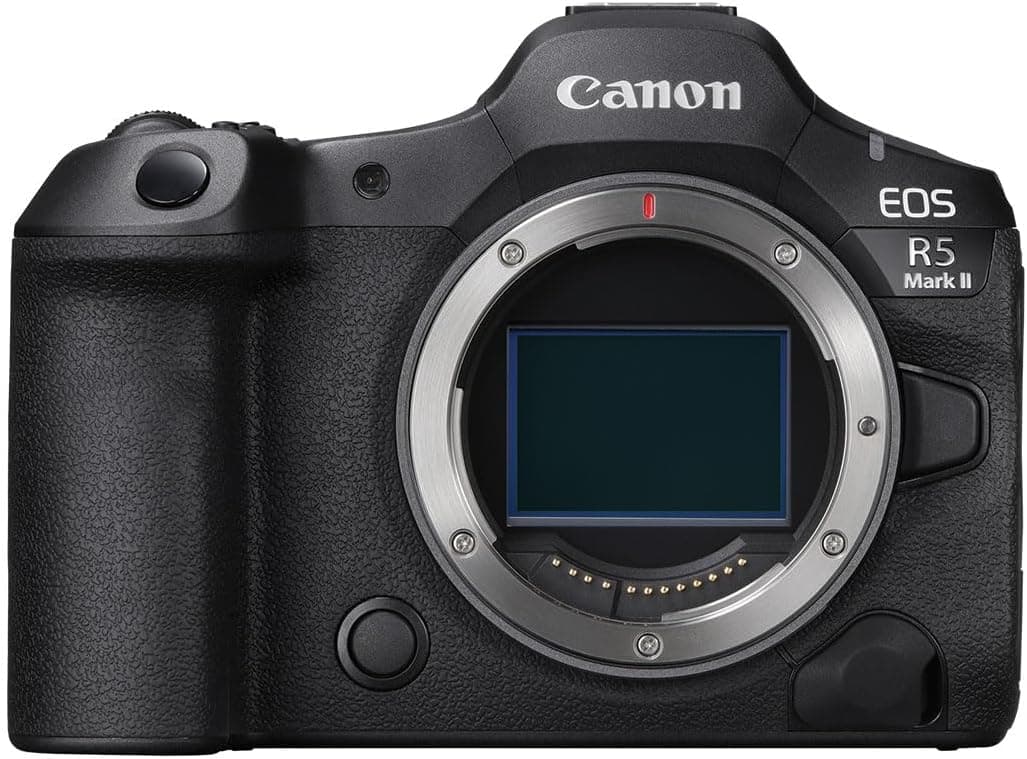
The headline feature is the camera system, and DJI has pulled no punches here. The primary camera uses a 100-megapixel four-thirds CMOS sensor — the same size sensor found in flagship mirrorless cameras like the Panasonic Lumix GH6, OM System OM-1, or Canon's EOS R5 Mark II. This is a massive upgrade from the one-inch sensor in the Mavic 3 Pro and represents the first time a consumer drone has featured a sensor this large. The benefits are immediately apparent: dramatically better low-light performance, shallower depth of field for cinematic subject isolation, and the ability to crop heavily into images without losing detail. Professional cinematographers will immediately recognize the four-thirds sensor as a game-changing addition because it produces footage with the shallow depth-of-field characteristics that separate amateur video from professional productions.
The 100-megapixel resolution means the main camera captures images at 11,648 by 8,736 pixels, which allows for genuine lossless zoom at multiple levels. The sensor is paired with a variable aperture lens that spans f/2.8 to f/11, giving pilots control over depth of field even in changing light conditions. The lens has an equivalent full-frame focal length of 24mm, which is the classic wide-angle field of view favored by landscape and architectural photographers. The variable aperture is particularly useful because it allows the pilot to maintain correct exposure as lighting conditions change during a flight — closing down the aperture when flying toward bright skies, opening it up for golden hour shots, and everything in between.
Design & Build
The triple-camera system is completed by two additional cameras: a 70mm medium telephoto with a 1/1.3-inch CMOS sensor and 48 megapixels, and an ultra-wide 15mm equivalent with a 1/2-inch sensor and 32 megapixels. This three-camera design gives the Mavic 4 Pro remarkable compositional flexibility. A pilot can start a shot wide to establish context, then seamlessly zoom to the medium telephoto for a tighter composition — all while recording at full resolution and frame rate. This kind of versatility previously required carrying multiple drones or a crew with multiple aircraft. The ability to change focal length mid-flight without moving the drone opens up creative possibilities that were previously impossible for solo operators or small crews working on tight schedules.
Video capabilities are equally impressive. The Mavic 4 Pro can record 6K video at 60 frames per second in H.265 or the new H.265 Long GOP codec, and 4K video at up to 120 frames per second for slow-motion work. For HDR content, 10-bit D-Log M recording captures maximum dynamic range for color grading in post-production. The HLG mode provides broadcast-ready HDR footage without the need for color grading, which is ideal for news gathering or documentary work where turnaround time matters. The combination of high resolution, high frame rate, and professional color science means the Mavic 4 Pro can deliver footage suitable for cinema distribution, broadcast television, streaming platforms, and social media simultaneously.
What separates professional aerial video from amateur footage is often not resolution or frame rate but bitrate and color sampling. The Mavic 4 Pro delivers up to 200 Mbps in 6K mode with 4:2:2 color sampling, which means the footage holds up under heavy color correction without the banding and posterization that plague heavily compressed 4:2:0 footage. This is professional-grade codec performance in a drone that folds down small enough to fit in a jacket pocket. Colorists working with footage from the Mavic 4 Pro will find that it behaves like footage from a professional cinema camera — there is latitude to push and pull the image in ways that would destroy heavily compressed consumer footage.
Camera & Image Quality
The flight time of 51 minutes is the longest DJI has ever achieved in the Mavic series and represents a meaningful improvement over the 46 minutes of the Mavic 3 Pro. In practical terms, this translates to approximately 40 to 45 minutes of actual flight time under typical conditions, accounting for the battery reserves pilots should maintain for safe landing. This is enough time to scout a location, set up shots, capture multiple takes, and still have reserve for a final establishing shot without swapping batteries. For professional work, this extended flight time reduces the number of batteries and charging cycles required on a shoot, which meaningfully impacts workflow efficiency and reduces the total cost of ownership over the life of the aircraft.
The omnidirectional obstacle avoidance system uses 12 sensors — fish-eye cameras on each corner, upward-facing infrared sensors, and downward-facing optical sensors — to build a complete map of the airspace around the drone. The system can detect obstacles in all directions simultaneously and implement omnidirectional braking, meaning the drone will stop and hold position if it detects an obstacle in any direction, rather than simply avoiding obstacles in the flight path. For new pilots or complex shoots in challenging environments, this represents a significant safety improvement. For experienced pilots working near obstacles like trees, buildings, or terrain features, the omnidirectional awareness means they can fly with confidence knowing the aircraft will not unexpectedly collide with something outside their direct line of sight.
The new ActiveTrack 360 system takes subject tracking to another level. Rather than simply following a subject from behind or to the side, the Mavic 4 Pro can orbit a subject while maintaining composition, using the medium telephoto camera to keep the subject framed even as the drone moves around them. The system uses deep learning to maintain tracking even when the subject temporarily moves behind obstacles, picking up tracking again when they reappear. The subject can be a person, vehicle, animal, or even a specific object, and the tracking algorithms have been trained on millions of hours of video footage to predict movement patterns accurately. For sports photography, wildlife documentation, or any scenario where the subject is moving unpredictably, ActiveTrack 360 removes the need for a dedicated camera operator.
Flight Performance
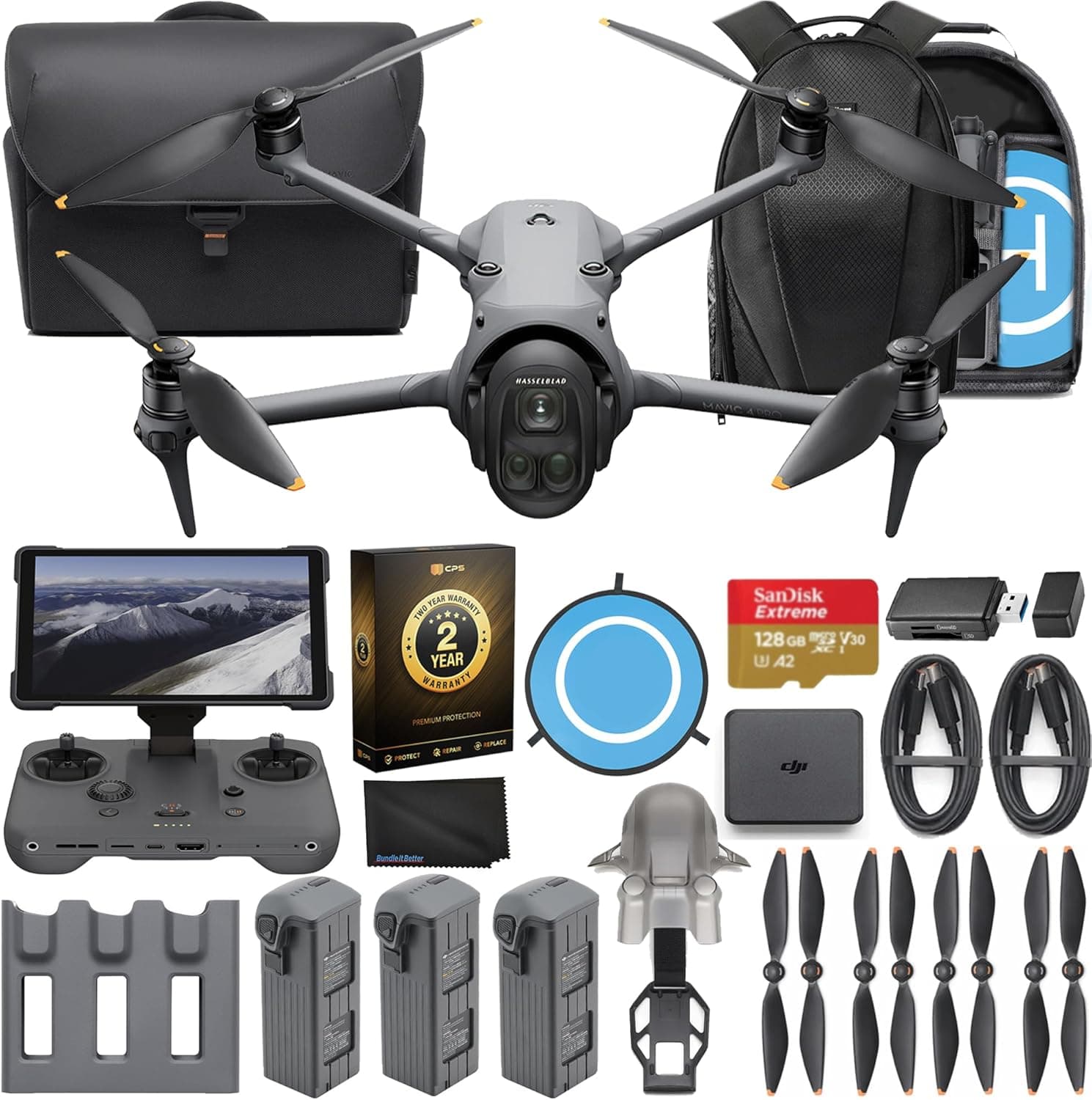
The RC Pro 2 remote controller that ships with the Creator Combo is a substantial upgrade from the previous generation. The 1080p 7-inch touchscreen runs at 144 Hz and is readable in direct sunlight thanks to a maximum brightness of 1,200 nits. The controller runs a custom Android-based operating system that launches the DJI Fly app in seconds, and the four-hour battery life means it will outlast multiple drone batteries on a single charge. The physical controls are responsive and well-damped, and the customizable buttons on the back of the controller can be mapped to frequently used functions. The integration between the controller and the aircraft is seamless — there is no perceptible latency between control input and aircraft response, even at maximum range.
The included 512GB of internal storage is a welcome addition that addresses a persistent pain point for professional users. SD card limitations have always been a friction point in aerial production. With 512GB of high-speed internal storage capable of recording approximately 5 hours of 4K footage or 2 hours of 6K footage, pilots can focus on flying rather than managing storage media. The internal storage uses a PCIe 4.0 interface that delivers write speeds sufficient to keep up with the drone's maximum bitrate demands. For clients who need immediate access to footage, the QuickTransfer mode allows the Mavic 4 Pro to upload footage to a smartphone or tablet over Wi-Fi while the drone is still folded in its case, without needing to power on the remote controller.
The 18.6-mile range specification refers to the O4 transmission system, which is DJI's fourth-generation proprietary wireless video link. In real-world conditions, range is heavily dependent on interference, weather, and local regulations, but the system reliably maintains a clear 1080p 60fps video feed at distances up to approximately 10 miles in ideal conditions. The system automatically switches between frequency bands to avoid interference, and the low latency of approximately 120ms means the video feed is responsive enough for precision flying even at distance. For professional cinematography, this range means pilots can capture shots that would previously have required expensive helicopter or crane equipment.
Obstacle Avoidance
In flight behavior, the Mavic 4 Pro feels notably more refined than its predecessors. The redesigned propulsion system uses larger propellers with a new blade profile that DJI claims reduces propulsion power consumption by 10% while increasing thrust. The result is a drone that feels responsive and agile in Sport mode — reaching speeds of approximately 47 mph — while being smooth and predictable in normal and cinematic modes. The new flight control algorithm processes sensor data at 4 kHz, which is four times faster than the Mavic 3 series, resulting in noticeably more stable hovering and smoother response to control inputs. Pilots transitioning from earlier Mavic models will notice immediately that the Mavic 4 Pro responds to inputs with greater precision and feels more planted in the air.
Wind resistance is rated at approximately 26 mph, which is respectable for a drone this size. In practice, the Mavic 4 Pro holds position confidently in conditions that would have most consumer drones drifting, and the gimbal stabilization is good enough that footage captured in moderate wind shows no visible judder or washout. The three-axis mechanical gimbal uses brushless motors to maintain level horizons even during aggressive maneuvers, and the electronic stabilization complements the mechanical system for footage that looks like it was shot on a professional jib or gimbal rig. Even in challenging conditions — coastal wind, mountain ridge flying, urban environments with unpredictable gusts — the Mavic 4 Pro delivers stable, professional-quality footage.
For photographers, the Mavic 4 Pro offers several shooting modes that expand creative possibilities. The new SmartPhoto 3.0 system automatically selects the best shooting mode based on scene analysis, choosing between standard photo, HDR, hyperlight, and scene recognition modes. The 100-megapixel mode captures full-resolution images, while pixel binning in standard mode produces cleaner 12.5-megapixel files that process faster. The DNG RAW format captures full dynamic range for post-production flexibility, and the 14-stop dynamic range in RAW mode is genuinely impressive for a drone camera. For panorama stitching, the Mavic 4 Pro can capture and automatically stitch 100-megapixel spherical panoramas in the air, producing images with detail that rivals ground-based stitching workflows.
Battery & Range
Low-light performance is where the larger sensor makes the most dramatic difference. The Mavic 4 Pro's four-thirds sensor captures significantly more light than the one-inch sensors in competing drones, and the results are visible immediately in any comparison. Night footage shot at ISO 1600 shows usable detail with minimal noise, and still photos at night are dramatically better than anything the Mavic 3 Pro could produce. This matters enormously for real estate photographers shooting golden hour landscapes, event coverage at dusk, or any scenario where the best shots happen in marginal lighting. The improved low-light performance also means pilots can safely fly in lower light conditions than they could with earlier Mavic models, effectively extending the usable shooting window each day.
Build quality is exceptional, as expected from DJI's mature product design language. The folding mechanism uses high-tolerance machined components that lock positively into position with no play or wobble. The battery clicks into place with a satisfying snap, and the charging hub can charge four batteries sequentially in approximately four hours. The included backpack is well-designed with dedicated compartments for the drone, controller, and accessories, and the materials are water-resistant enough to protect the equipment in light rain. The props are easy to attach and detach, and the secure fit means there is no risk of props loosening in flight.
The Mavic 4 Pro is not without trade-offs. At 960 grams, it is heavier than the Mavic 3 Pro and requires FAA registration in the United States. The larger sensor and triple camera system mean the camera housing is more prominent, which affects the drone's ability to fold into a truly compact form factor. And at $4,199 for the Creator Combo configuration, it is a serious investment that requires most users to think carefully about whether they truly need its capabilities. But for professionals who rely on aerial imaging for their livelihood, the cost per shot over the life of the aircraft is actually quite reasonable when compared to the alternatives.
Controller & App
The closest alternatives — the Autel Robotics EVO II Pro, the Parrot Anafi AI, or DJI's own Flip drone — use smaller sensors, offer shorter flight times, and lack the mature software ecosystem that DJI has built over years of iteration. The Autel EVO II Pro maxes out at 6K video with a one-inch sensor, which is genuinely capable but not comparable to the Mavic 4 Pro's four-thirds sensor and triple-camera system. The Parrot Anafi AI offers a unique tilting camera design but falls short in nearly every metric that matters for professional work. The Mavic 4 Pro is not merely the best drone in its class; it is in a class by itself.
What strikes me most after months of flying the Mavic 4 Pro is how it changes the way I think about aerial imaging. With earlier drones, there was always a tension between the desire to get the shot and the practical constraints of flight time, camera capability, and reliability. The Mavic 4 Pro removes enough of those constraints that I find myself thinking more about the creative possibilities and less about the technical limitations. I find myself attempting shots that I would have dismissed as impractical with earlier equipment — longer flights to reach remote locations, lower light conditions that would have been too risky, more complex tracking shots that require the aircraft to operate closer to obstacles and subjects.
Real estate photography and videography is perhaps the most obvious professional application. The 100-megapixel main camera can capture property exteriors and landscapes with resolution that rivals ground-based cameras, while the 51-minute flight time allows multiple battery cycles covering multiple properties in a single scheduling block without returning to the office to charge. The HDR video capability means interior-to-exterior transitions look natural without the blown-out windows that plague single-exposure drone footage. Real estate agents who invest in Mavic 4 Pro equipment can realistically expect to recover the cost within the first few months of commercial use in competitive markets.
Competition & Value
Infrastructure inspection represents another domain where the Mavic 4 Pro's capabilities are genuinely transformative. Cell tower inspection companies have traditionally used specialized industrial drones, but the Mavic 4 Pro's 100-megapixel sensor and variable aperture make it viable for tower inspections at a fraction of the cost. The ability to zoom to the medium telephoto camera and inspect hardware from a safe distance — reading inspection labels, identifying rust or damage, assessing vegetation encroachment — without physically climbing towers or erecting scaffolding represents a dramatic improvement in both safety and efficiency. The omnidirectional obstacle avoidance means the drone can navigate the complex RF environment around cell towers without losing signal or colliding with transmitting equipment.
Film and television production is perhaps where the Mavic 4 Pro's credentials are most impressive. The Mavic 4 Pro's 6K 60fps recording with 10-bit color and the four-thirds sensor's shallow depth of field means that the footage it produces is genuinely usable in professional productions. Independent filmmakers working with smaller budgets can now achieve aerial shots that rival what major productions were doing just five years ago, and the portability of the Mavic 4 Pro means that drone shots no longer require dedicated transport vehicles, large crews, or extensive setup time.
The gimbal stabilization system on the Mavic 4 Pro deserves specific attention because it is genuinely remarkable engineering. The three-axis mechanical gimbal uses brushless motors that can make 20,000 adjustments per second, which means the camera platform remains absolutely steady even when the aircraft is buffeted by wind gusts. In practice, footage from the Mavic 4 Pro looks like it was shot from a camera mounted on a professional stabilizing rig — the horizon is level, the motion is smooth, and there is none of the jitter or judder that plagued early consumer drones. Electronic image stabilization complements the mechanical gimbal for an additional layer of correction, particularly useful when flying in conditions that push the limits of the gimbal's range of motion.
Environmental and wildlife documentation is another application where the Mavic 4 Pro excels. The extended flight time means researchers can survey larger areas in a single battery cycle, reducing the number of flights required to cover a study site and minimizing disturbance to wildlife. The relatively quiet operation of the Mavic-series propellers causes less behavioral disturbance to animals than larger drones, making it viable for closer approaches that would flush wildlife with louder aircraft. The medium telephoto camera can identify individual animals from distances that would require much closer approaches with wide-angle cameras, and the high-resolution stills mode produces images suitable for individual identification and population monitoring studies.
The Mavic 4 Pro's video transmission system, O4, represents a generational improvement over O3+. The system uses four antennas on the aircraft and two on the remote controller, implementing MIMO spatial multiplexing to increase throughput and improve reliability. The system can dynamically switch between 2.4 GHz and 5.8 GHz frequencies to find the clearest channel, and the automatic quality adjustment ensures that the video feed remains usable even at the edge of the transmission range. For professional work, this reliability means pilots can focus on flying and framing shots rather than worrying about maintaining the link connection.
Post-production workflows for Mavic 4 Pro footage are straightforward because the files are standard H.265 or H.264 encoded files that any editing software can read. The 10-bit D-Log M footage provides maximum flexibility for color grading, and the included LUTs from DJI provide a starting point for matching the footage to other cameras in a multi-source production. The 200 Mbps maximum bitrate means that footage scales well to large displays and survives multiple transcoding passes without visible degradation. For productions that need to deliver quickly, the HLG mode produces immediately usable HDR footage without any color grading, which dramatically accelerates turnaround for news and documentary work.
When evaluating the Mavic 4 Pro against the investment it represents, it is worth considering the total cost of ownership over the aircraft's operational life. Professional drone services typically charge $500 to $2,000 or more per shoot depending on the scope and requirements. At those rates, a Mavic 4 Pro at $4,199 for the Creator Combo could pay for itself in anywhere from two to ten commercial shoots. Beyond direct revenue generation, the Mavic 4 Pro enables types of content creation that would otherwise require hiring third-party drone operators or purchasing inferior equipment.
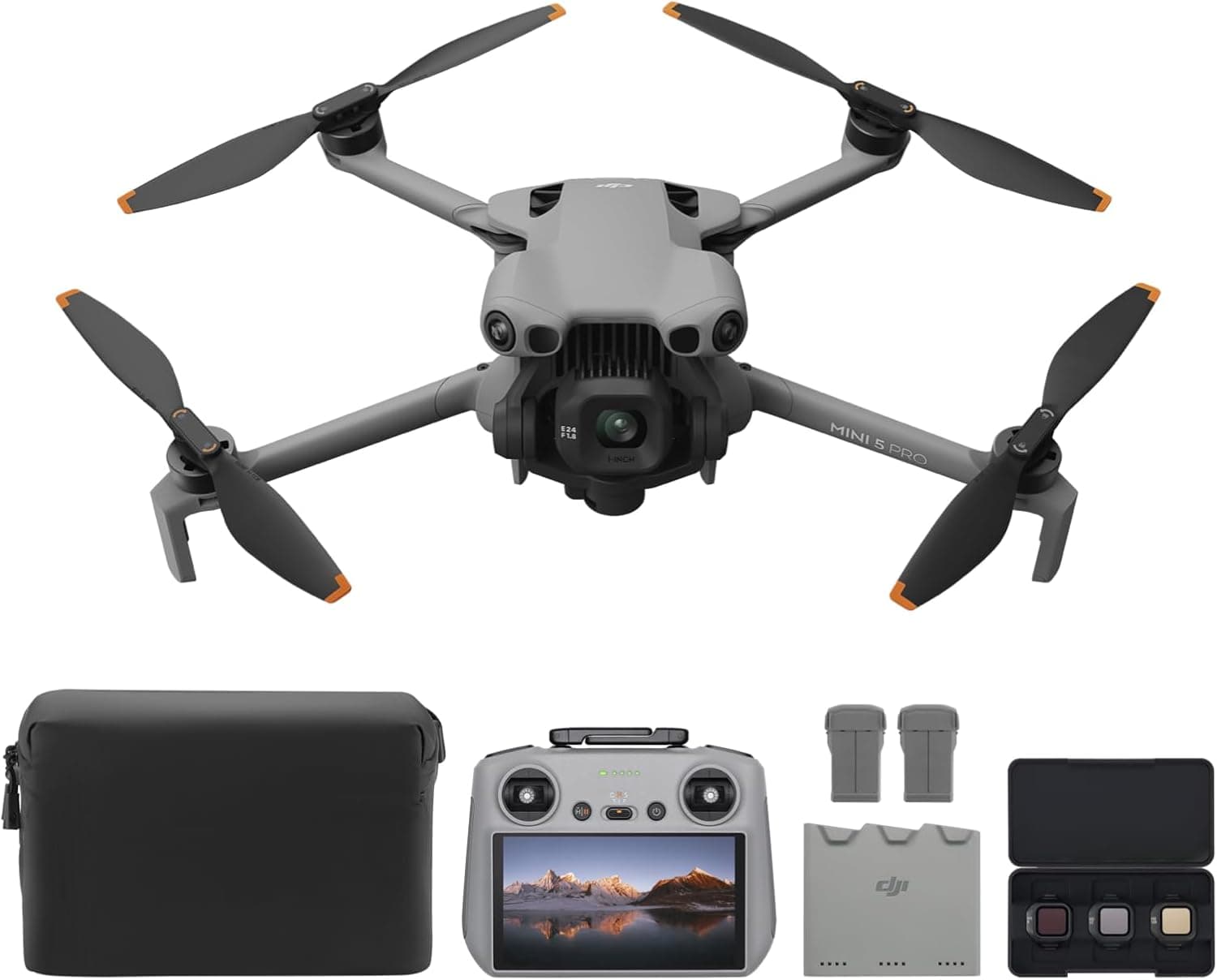
The Mavic 4 Pro is not the right choice for every user. Casual consumers who want a drone for occasional personal use should consider the DJI Mini series, which offers excellent value at much lower price points. Users who need to operate in environments where the 960-gram takeoff weight is a regulatory problem may prefer the sub-250g DJI Neo, which avoids FAA registration requirements. And users who specifically need thermal imaging or advanced survey capabilities should look at DJI's Enterprise-series aircraft, which are specifically designed for those applications.
But for the serious content creator, professional photographer, independent filmmaker, or small production company that needs the best possible aerial imaging capability in a portable package, the Mavic 4 Pro is the definitive choice. It represents the culmination of DJI's years of engineering investment in the consumer and prosumer drone market, and it delivers performance that rivals equipment costing significantly more. The combination of a genuine four-thirds sensor, triple-camera flexibility, 51-minute flight time, and mature software ecosystem creates a product that stands alone in its market segment. There are no direct competitors at this price point. There are no substitutes that offer the same combination of portability and capability. The Mavic 4 Pro is simply the best drone available for professionals and serious enthusiasts who refuse to compromise on image quality or flight time.
Pros
- 100MP four-thirds CMOS sensor is a first for consumer drones
- Triple-camera system with 24mm, 70mm, and 15mm equivalents provides compositional flexibility
- 51-minute flight time is the longest in DJI's consumer lineup
- 512GB internal storage eliminates SD card management
- ActiveTrack 360 enables autonomous tracking shots without a camera operator
Cons
- $4,199 is a serious investment requiring careful consideration
- 960g weight requires FAA registration in the United States
- Camera housing is larger than predecessor, slightly less compact when folded
- No direct competitors at this price point means no alternatives to consider
Final Verdict
The DJI Mavic 4 Pro's 100MP four-thirds sensor, triple-camera system, and 51-minute flight time make it the most capable consumer drone ever made.