Health Tech: Withings Body Scan 2 vs. Apple Watch 11
Withings Body Scan 2 promises 60+ biomarkers in 90 seconds for $600, while Apple Watch 11 brings hypertension notifications and sleep scoring to your wrist. We compare these two health tech powerhouses head-to-head.
THE NEW HEALTH TECH DIVIDE: SCALE VS. WRIST
Every morning, millions of people step onto a bathroom scale and glance at a single number. That number — their weight in pounds or kilograms — tells them almost nothing useful about their actual health. It doesn't reveal their visceral fat percentage, their vascular age, their hydration levels, or whether their nervous system is balanced or in chronic fight-or-flight mode. At the same time, over 100 million Apple Watch users glance at their wrists throughout the day, collecting heart rate data, step counts, and sleep metrics that paint an incomplete portrait of their wellness. These two rituals — the morning weigh-in and the all-day wrist companion — have existed in separate universes until now. The launch of two ambitious health devices in 2026 is forcing a conversation that tech buyers need to have: should your primary health monitoring device live on your wrist, or should it live on your bathroom floor?
Withings announced the Body Scan 2 at CES 2026, positioning it as what the company calls a "science-backed longevity station." At $599.95, it's one of the most expensive consumer smart scales ever produced, but Withings is betting that 60-plus biomarkers measured in 90 seconds justifies the premium. Across the aisle, Apple launched the Watch Series 11 in September 2025 with features that blur the line between consumer wearable and medical screening device: passive hypertension notifications trained on over 100,000 participants, a clinically validated sleep score, and a durability upgrade that makes the device more practical for 24/7 wear. These two products represent fundamentally different philosophies about health monitoring — the high-precision, periodic snapshot versus the continuous, passive companion. Understanding which one belongs in your life requires digging into the technical details, the clinical validation, and the real-world usability of each platform.
The timing of these launches isn't coincidental. Consumer health tech is undergoing a transformation from "wellness tracking" — step counts, calorie estimates, sleep duration — toward "preventative screening." Both Apple and Withings are racing toward FDA-cleared features that could alert users to hypertension, atrial fibrillation, and metabolic dysfunction before their primary care physician ever notices. This article examines the Withings Body Scan 2 and Apple Watch Series 11 side by side, across five dimensions: measurement depth, clinical validation, user experience, ecosystem integration, and value for money. By the end, you'll know which device fits your health priorities — and whether you might actually need both.
THE WITHINGS BODY SCAN 2: A LABORATORY ON YOUR BATHROOM FLOOR
Withings has been building connected health devices since 2008, and the Body Scan 2 represents a generational leap over the original Body Scan, which launched in 2022. The original Body Scan was already impressive — it offered segmental body composition analysis, a six-lead ECG, and nerve health assessment via a retractable handle with electrodes. The Body Scan 2 takes that foundation and expands the biomarker count from roughly 30 to over 60, adding metabolic indicators, glycemic regulation markers, and a longevity assessment score that synthesizes cardiovascular, metabolic, and cellular health metrics into a single actionable report.
The hardware itself has been redesigned. The Body Scan 2 features a tempered glass platform measuring approximately 13 inches by 13 inches, with four weight sensors capable of detecting changes as small as 50 grams. The retractable handle contains multiple stainless steel electrodes that make contact with both hands, enabling multi-frequency bioelectrical impedance analysis across five frequencies rather than the single or dual frequencies used by most competing scales. This is significant because different frequencies penetrate different tissue types — lower frequencies travel around cells (measuring extracellular water), while higher frequencies penetrate cell membranes (measuring intracellular water and cell mass). By sweeping across five frequencies, the Body Scan 2 builds a much more granular picture of body composition than the $50 bathroom scales that dominate Amazon's bestseller lists.
The headline features, however, are the cardiovascular assessments. The Body Scan 2 includes a multi-lead ECG capability that can detect signs of atrial fibrillation, though this feature is pending FDA clearance at the time of writing. More immediately available is the Pulse Wave Velocity measurement, which estimates arterial stiffness by measuring how quickly blood pressure waves travel through the circulatory system. This metric has been validated in peer-reviewed research as a predictor of cardiovascular events, and having it available on a consumer device — even one that costs $600 — represents a meaningful step toward democratized preventative cardiology. The device also measures heart rate, of course, but that's table stakes at this point.
The "longevity assessment" is Withings's most ambitious software feature. After the 90-second measurement completes, the Body Scan 2 organizes biomarkers into four categories: heart performance, metabolic indicators, cellular health, and glycemic regulation. Each category gets a score, and those scores are synthesized into an overall longevity indicator that the companion app presents alongside trend data. Think of it as a credit score for your health — it doesn't replace a doctor's assessment, but it provides a standardized, trackable number that can surface problems before symptoms appear. Withings has published white papers on the methodology behind these scores, though independent validation studies are still in progress.
At $599.95, the Body Scan 2 is undeniably expensive for a scale. But the comparison Withings wants you to make isn't against the $30 Renpho scale on Amazon — it's against the cost of a single preventative cardiology screening, the lost productivity from undiagnosed metabolic syndrome, or the peace of mind that comes from knowing your cardiovascular metrics are trending in the right direction. If you're the kind of person who already invests in annual physicals, fitness trackers like the Garmin Venu 4, and smart rings such as the RingConn Gen 2, then $600 for a device you'll use every morning for years doesn't feel unreasonable.
THE APPLE WATCH SERIES 11: HEALTH SURVEILLANCE THAT NEVER SLEEPS
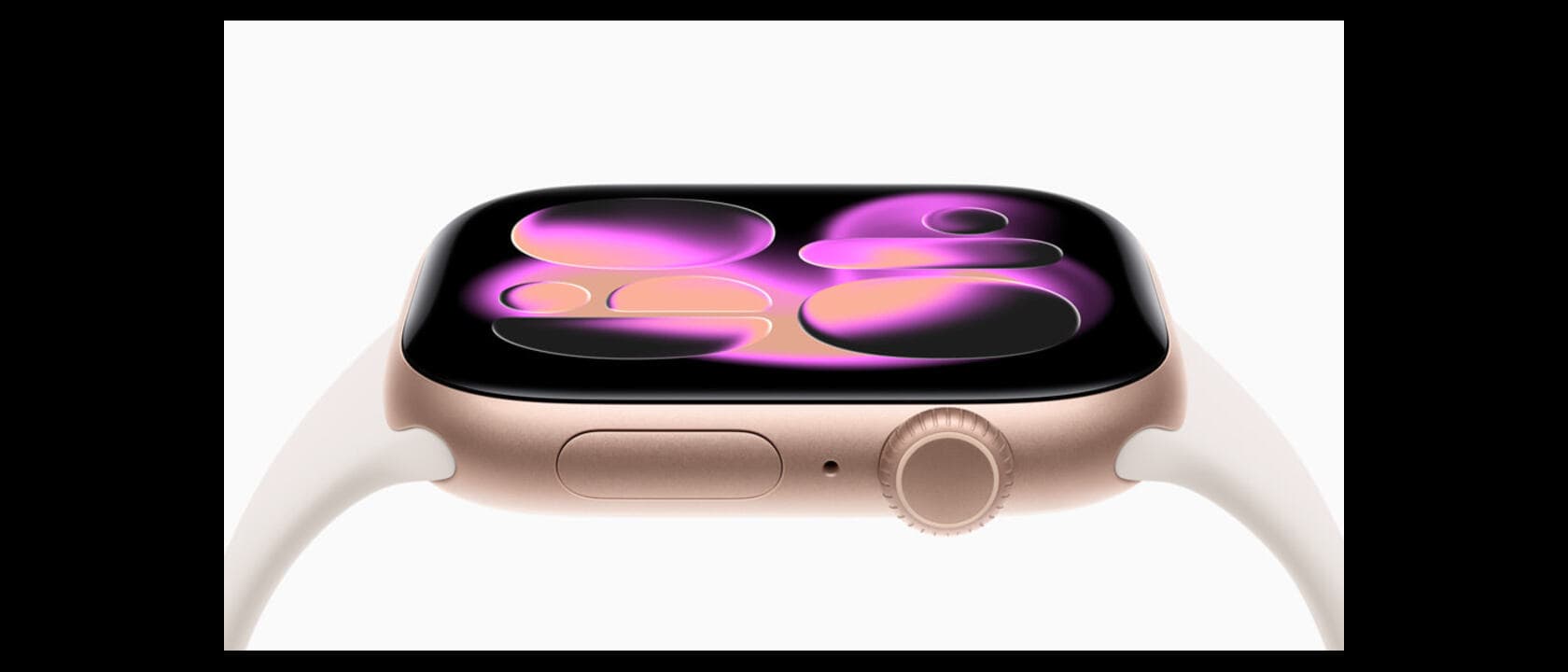
Apple's approach to health monitoring is fundamentally different from Withings's, and the Watch Series 11 embodies that philosophy. Where the Body Scan 2 collects a dense burst of data in 90 seconds once per day, the Apple Watch collects lower-resolution data continuously — hundreds of heart rate readings per hour, motion data for sleep staging, and optical sensor readings that feed into the new hypertension notification system. The question isn't which approach is better; it's which approach catches the problems that matter to you.
The Watch Series 11's most significant health upgrade is the hypertension notification system. This feature doesn't measure blood pressure directly — there's no inflatable cuff hidden in the watch band, despite what some rumor sites speculated before launch. Instead, it passively analyzes the optical heart sensor's photoplethysmography signal over rolling 30-day periods, looking for subtle changes in blood vessel behavior that correlate with chronic hypertension. Apple trained the underlying machine learning models on over 100,000 participants across multiple clinical studies, and validated the system in a prospective study of more than 2,000 participants. When the algorithm detects signs consistent with hypertension, it notifies the user and recommends logging blood pressure for seven days using a third-party cuff — consistent with American Heart Association guidelines for confirming elevated readings.
Critically, this feature works passively. You don't need to initiate a measurement, remember to check your blood pressure, or interrupt your day. The watch simply collects data in the background and surfaces alerts when patterns emerge. For the estimated 50% of people with hypertension who don't know they have it, this kind of passive screening could be genuinely life-changing. Apple expects the feature to notify over one million people with undiagnosed hypertension within the first year of availability — a claim that cardiologists like Dr. Harlan Krumholz of Yale have publicly endorsed as credible.
The sleep score feature is the other major addition. While previous Apple Watch models could track time asleep and display sleep stages, the Series 11 introduces a composite sleep score informed by guidelines from the American Academy of Sleep Medicine, the National Sleep Foundation, and the World Sleep Society. Apple's algorithms were developed and tested on over five million nights of sleep data from the Apple Heart and Movement Study, and the score breaks down into components including duration, bedtime consistency, number of awakenings, and time spent in each sleep stage. The score appears both on the watch and in the Health app on iPhone, with coaching suggestions for improving specific components. Compared to dedicated sleep trackers and even clinical polysomnography, wrist-based sleep staging has known limitations, but the consistency and scale of Apple's validation dataset gives the Watch 11 an edge over competitors.
Hardware improvements on the Series 11 also serve health use cases. The Ion-X glass on aluminum models now features a ceramic coating applied via physical vapor deposition, making it roughly twice as scratch-resistant as the previous generation — important for sleep tracking, where you're more likely to brush the watch against nightstands and headboards. Battery life extends to 24 hours including sleep tracking, and 15 minutes of fast charging provides eight hours of battery, meaning you can top up while showering and wear the watch continuously. The inclusion of 5G cellular means health data syncs and emergency SOS functions work even when your iPhone is out of range — a subtle but important safety feature for older adults or anyone with a cardiac condition.
For those who want to go deeper into fitness tracking, the Watch 11 introduces Workout Buddy, an Apple Intelligence-powered feature that provides spoken motivation during workouts by analyzing heart rate, pace, distance, and personal milestones. It's not directly a health feature, but sustained exercise is one of the most effective interventions for cardiovascular health, and anything that keeps people moving has a downstream health impact. If you're already in the Apple ecosystem with an iPhone 17e or a Galaxy S26+ as your daily driver, the Watch 11 integrates seamlessly into your existing notification and health data workflows.
HEAD-TO-HEAD: MEASUREMENT DEPTH AND CLINICAL VALIDATION
When you line up the measurement capabilities of both devices, a clear pattern emerges: the Body Scan 2 measures more things in greater depth, but only once per day; the Apple Watch 11 measures fewer things but does so continuously, enabling trend detection that periodic snapshots might miss. To understand which approach wins for your use case, you need to look at the specific biomarkers each device can actually quantify with clinical-grade accuracy.
The Body Scan 2's full biomarker panel divides into four categories. Cardiovascular metrics include heart rate, pulse wave velocity, and six-lead ECG — measurements that directly assess heart function and arterial health. Metabolic indicators cover weight, BMI, body fat percentage, visceral fat, muscle mass, bone mass, and water percentage — essentially everything you'd get from a DEXA scan, albeit with less precision. Cellular health markers include the novel "longevity score" that synthesizes multiple data points. And glycemic regulation markers — still pending FDA clearance — aim to provide insight into how your body processes glucose over time, potentially flagging pre-diabetic patterns before an A1C test would catch them.
The Apple Watch 11, by contrast, focuses on a narrower but arguably more actionable set of cardiovascular and sleep metrics. Heart rate monitoring is continuous and has been validated across multiple peer-reviewed studies as accurate within a few beats per minute of clinical ECG during rest and moderate activity. The ECG app can detect atrial fibrillation with sensitivity and specificity both above 98% in clinical studies. Blood oxygen monitoring, while available on the hardware, has been entangled in an ongoing patent dispute — availability varies by region and model. The hypertension notification feature is novel and potentially impactful, but it's important to understand what it doesn't do: it doesn't give you a blood pressure number in mmHg. It tells you that patterns consistent with hypertension have been detected over a 30-day window, which then requires confirmation with an actual blood pressure cuff.
The clinical validation gap between these devices is narrower than their spec sheets suggest. Withings has published validation data for the original Body Scan's body composition measurements against DEXA, showing correlations above 0.95 for most metrics. Apple's health features have been studied in some of the largest digital health research programs ever conducted, including the Apple Heart Study (over 400,000 participants for AFib detection) and the Apple Women's Health Study (ongoing, tens of thousands of participants). If your primary health concern is cardiovascular — and for most adults over 40, it should be — both devices offer genuinely useful screening tools backed by substantial data. The Body Scan 2 gives you more detail on body composition and metabolic health; the Apple Watch gives you more temporal resolution on heart activity and sleep.
Where neither device excels is in providing a complete picture of metabolic health. The Body Scan 2's glycemic regulation features are pending clearance and won't replace a continuous glucose monitor or an A1C test. The Apple Watch 11 has no direct glucose sensing capability, though Apple has been working on non-invasive glucose monitoring for over a decade. For users with diabetes or pre-diabetes, neither device is a substitute for medical-grade monitoring — but both can complement professional care by tracking weight trends, activity levels, and cardiovascular markers that influence metabolic outcomes.
THE ECOSYSTEM EQUATION: WITHINGS HEALTH MATE VERSUS APPLE HEALTH
A health device is only as useful as the software that interprets its data, and here the two platforms diverge in ways that matter more than any hardware specification. Withings Health Mate and Apple Health represent two different philosophies about health data ownership, interoperability, and the role of AI in personal wellness.
Withings Health Mate is a focused health dashboard. It receives data from Withings devices — scales, blood pressure monitors, sleep mats, and thermometers — and organizes it into trend lines, scores, and coaching suggestions. The app uses a color-coded system that makes it easy to see at a glance which metrics are improving and which need attention. The Body Scan 2's longevity assessment lives here, alongside trends for weight, body composition, heart rate, and sleep. Health Mate can export data to Apple Health, Google Health Connect, and several third-party platforms, making it a relatively open system. The subscription model — Withings Health+ — adds personalized coaching programs for areas like sleep improvement, cardiovascular fitness, and nutrition, but the core metrics and trends are available without a subscription.
Apple Health is a broader, more ambitious platform that aggregates data from Apple Watch, third-party apps, and manual entries. It doesn't interpret data as aggressively as Health Mate — Apple has been cautious about crossing the line from health tracking to medical advice — but it provides a comprehensive view of everything your body generates that can be digitized. The Watch 11's hypertension notifications and sleep score appear here alongside data from hundreds of compatible apps and devices. Apple Health also supports sharing data with healthcare providers through the Health Records feature, which can pull lab results, immunizations, and medications from participating health systems directly into the app — a feature Withings Health Mate doesn't offer.
The practical difference for most users comes down to this: if you're already deeply invested in the Apple ecosystem, the Watch 11's data flows naturally into the Health app you already have on your iPhone, alongside data from any other health devices you own. If you're platform-agnostic or specifically focused on body composition and cardiovascular metrics, Withings Health Mate offers a more focused, interpretable experience with better coaching features. The ideal setup for the truly health-obsessed might be to use both: collect continuous data on the Watch 11 and periodic deep scans on the Body Scan 2, letting Apple Health aggregate everything into a single longitudinal record.
For those considering a Xiaomi Watch 5 or an Apple Watch Ultra 3 as alternatives, the ecosystem question becomes even more important. Xiaomi's Mi Fitness app has improved dramatically but lacks the clinical validation and third-party integration depth of Apple Health. The Ultra 3 shares the Watch 11's health features but adds a larger battery, a more durable titanium case, and a brighter display optimized for outdoor use — making it the better choice for athletes and adventurers who need health tracking in extreme conditions.
WHO SHOULD BUY WHAT: USE CASE ANALYSIS
The decision between the Body Scan 2 and the Apple Watch 11 isn't really a decision between two competing products — it's a decision about which health monitoring philosophy fits your lifestyle, your health priorities, and your tolerance for active versus passive data collection.
If you're someone who wants concrete, measurable biomarkers — body fat percentage, muscle mass trends, visceral fat distribution, arterial stiffness — and you're willing to spend 90 seconds each morning standing on a scale to get them, the Body Scan 2 is the clear winner. There's simply nothing the Apple Watch can tell you about your body composition, and body composition is arguably more predictive of long-term health outcomes than the step count and heart rate data that wrist-based devices excel at capturing. The Body Scan 2 is also the better choice for people who are actively trying to change their body — losing weight, building muscle, or monitoring fluid retention due to a medical condition — because it quantifies those changes with reasonable precision on a daily basis. For older adults concerned about cardiovascular health, the pulse wave velocity and ECG features provide screening tools that a wrist-worn device can't match in depth — though they require active participation rather than passive monitoring.
If you want a device that works invisibly in the background, surfacing insights and alerts without requiring any behavior change, the Apple Watch 11 is the better fit. The hypertension notification system epitomizes this philosophy: you don't need to remember to check your blood pressure; the watch tells you when patterns emerge that warrant investigation. The sleep score works the same way — you wear the watch to bed, and in the morning, you get a number and a breakdown without having to log anything. For people who are already active — runners, cyclists, swimmers — the Watch 11's workout tracking, GPS, cellular connectivity, and safety features like fall detection and emergency SOS add value that a stationary scale cannot provide. And for people managing chronic conditions like AFib, the continuous heart monitoring and ECG-on-demand capability offer genuine clinical utility.
There's also a strong case for owning both. The Body Scan 2 collects data that the Apple Watch fundamentally cannot — body composition, arterial stiffness, nerve health — while the Watch captures temporal patterns that a once-daily snapshot misses — heart rate variability trends across the day, sleep architecture across the night, activity levels that contextualize metabolic data. Together, they create a more complete picture of your health than either device alone. If you're already wearing a smartwatch, adding a Body Scan 2 fills in the body composition gap; if you already own a smart scale (as explored in our Best Smartwatches for Health Monitoring in 2026 guide), upgrading to a Watch 11 adds the continuous cardiovascular surveillance layer. The two devices don't compete — they complement each other.
For budget-conscious buyers, the calculus changes. At $599.95, the Body Scan 2 costs about $200 more than a GPS-equipped Apple Watch SE 3 and roughly the same as an aluminum Apple Watch Series 11 with GPS only. If you can only afford one device and you don't already own a smartwatch, the Watch 11 provides more total functionality — communication, payments, music, navigation, safety features — alongside health monitoring. But if you already own a smartwatch and want to level up your health tracking specifically, the Body Scan 2 adds capabilities your watch cannot replicate at any price. As we discussed in our Smart Rings Deep Dive, wearable form factors have inherent limitations in what they can measure — and sometimes, the best sensor isn't one you wear at all.
THE PRICE EQUATION: VALUE ANALYSIS
Health tech pricing is tricky to evaluate because the value isn't just in the hardware — it's in the data, the software, and the potential health outcomes. Let's break down what you're actually paying for with each device.
The Body Scan 2 at $599.95 includes all hardware, all core software features, and basic trend tracking in the Health Mate app without an ongoing subscription. Withings Health+, which adds personalized coaching programs, costs an additional $9.95 per month or $99.95 per year — entirely optional. Compared to the original Body Scan ($399.95 at launch), the Body Scan 2 commands a 50% premium for roughly double the biomarkers, the longevity assessment, and the pending cardiovascular features. Against a clinical DEXA scan — which costs $100 to $300 per session and provides a single snapshot rather than daily trends — the Body Scan 2 pays for itself after two to six clinical visits, assuming you use it daily. Against the cost of undiagnosed hypertension or metabolic syndrome — medications, specialist visits, lost productivity, and reduced quality of life — $600 is a rounding error.
The Apple Watch Series 11 starts at $399 for the 42mm aluminum GPS model and climbs to $799 for the 46mm titanium cellular version. Apple doesn't charge a subscription for health features — hypertension notifications, sleep score, ECG, and all other health capabilities are included in the purchase price. Compared to a dedicated medical alert device or a standalone sleep tracker, the Watch 11 bundles substantial health monitoring with a full-featured smartwatch, making it one of the better values in wearable tech if you'll use the non-health features. Against the Withings Body Scan 2, the Watch 11 is less expensive at the entry level but measures a narrower set of health metrics — you're paying for versatility and convenience rather than measurement depth.
The subscription landscape is worth considering. Withings Health+ costs $100 per year if you want coaching. Apple Fitness+ costs $9.99 per month or $79.99 per year, adding guided workouts and meditations that complement the Watch's health tracking. Neither subscription is necessary to get value from the hardware, but both can enhance the experience. If you plan to use coaching features, factor roughly $100 per year into your budget for either platform.
When viewed through the lens of long-term health investment, both devices are inexpensive relative to the cost of preventative care in the American healthcare system. A single emergency room visit for an undiagnosed cardiac event can cost thousands of dollars even with insurance. A year of blood pressure medication, statins, and quarterly doctor visits for a newly diagnosed chronic condition can run into the thousands. If a $400 watch or a $600 scale helps you catch a developing health problem six months earlier — or motivates you to maintain healthier habits that prevent problems from developing at all — the return on investment is effectively infinite.
FINAL VERDICT: TWO DEVICES, ONE HEALTH STRATEGY
The Withings Body Scan 2 and Apple Watch Series 11 aren't really competitors — they're complementary pieces of a comprehensive personal health monitoring strategy. The Body Scan 2 is the deep diagnostic tool that gives you a periodic, high-resolution snapshot of your body composition, cardiovascular health, and metabolic function. The Apple Watch 11 is the continuous surveillance system that watches your heart rhythm, sleep patterns, and activity levels around the clock, surfacing anomalies that a once-daily measurement might miss.
If forced to choose one device based purely on the breadth and depth of health metrics measured, the Body Scan 2 captures more unique biomarkers — particularly in body composition and vascular health — that a wrist-based device cannot replicate. But this advantage comes with an important caveat: you have to actually use it. A scale that sits in the closet collects zero data, while an Apple Watch on your wrist collects data whether you think about it or not. Compliance is the hidden variable in every health tech comparison, and the Watch's passive, always-on nature gives it a significant real-world edge for most users.
The right answer for most tech-savvy health consumers in 2026 is to own both — a comprehensive scale for the morning health check-in and a smartwatch for all-day monitoring. Together, they cost roughly $1,000 to $1,200 at the entry level, which is less than many people spend on a single smartphone upgrade cycle. When you consider that these devices could alert you to a developing cardiovascular condition, track your progress toward body composition goals, and provide data that makes your annual physical more productive and informed, that price begins to look less like an expense and more like an investment in the most important technology platform you'll ever own: your own body.
For those who want to explore other wearable health options, check out our review of the Apple Watch Ultra 3 for extreme sports tracking, or see how the RingConn Gen 2 compares as a sleep-focused alternative. And if you're building a broader smart home health ecosystem, our Matter 2.0 Smart Home Hubs guide covers devices that can integrate your health data with your home environment.