Google Fitbit Air Review: The $99 Screenless Fitness Tracker That Takes on Whoop
The Google Fitbit Air is a $99.99 screenless fitness tracker that delivers continuous heart rate, sleep, SpO2, and activity tracking with no mandatory subscription. It goes head-to-head with Whoop on accuracy and features while costing a fraction of the price over time.
Google's wearable strategy has taken an unexpected but welcome turn with the launch of the Fitbit Air, a $99.99 screenless fitness tracker that goes head-to-head with the While the Fitbit Air takes on Whoop in the screenless space, the Oura Ring 4 continues to refine what smart rings can do for your health data.
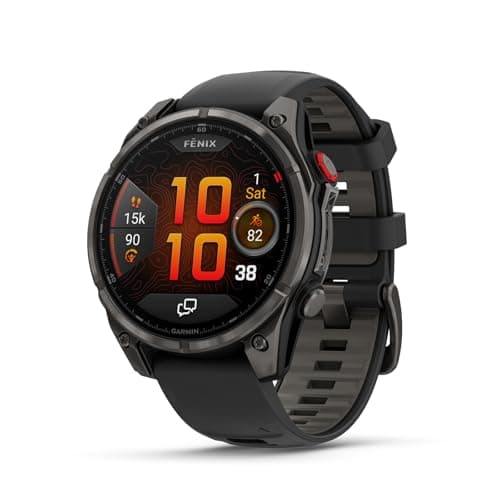
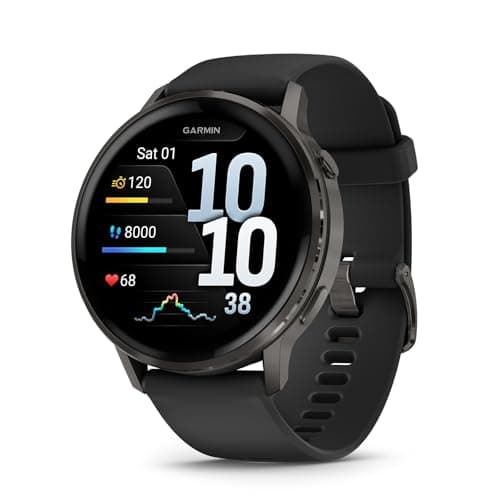
Whoop band on features while undercutting it dramatically on price. Released on May 7, 2026, and now shipping, the Fitbit Air represents Google's most focused health wearable yet — a stripped-down, comfortable, all-day health monitor that prioritizes continuous tracking over the glanceable notifications and app ecosystem of traditional smartwat For those who prefer a display with their fitness tracking, the Garmin Venu 4 offers the best fitness watch experience for people who want both health data and traditional watch features.
ches. After spending time with the Fitbit Air, it is clear that Google has built something genuinely compelling for anyone who wants deep health insights without wearing another screen on their wrist.
The screenless wearable category has been dominated by Whoop for years, charging a premium for a subscription-based model that can cost $300 or more annually on top of the hardware. Google's Fitbit Air disrupts this model completely: $99.99 buys you the device, and the core health tracking features — heart rate, sleep stages, SpO2, HRV, activity detection, and even FDA-cleared AFib detection — work without any subscription at all. A Google Health Premium subscription ($9.99/month) unlocks personalized AI coaching powered by Gemini and deeper analytical insights, but it is entirely optional. This pricing strategy alone makes the Fitbit Air a significant product, but the hardware and software need to deliver on their promises for that value proposition to matter.
Design and Comfort
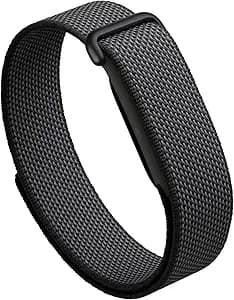
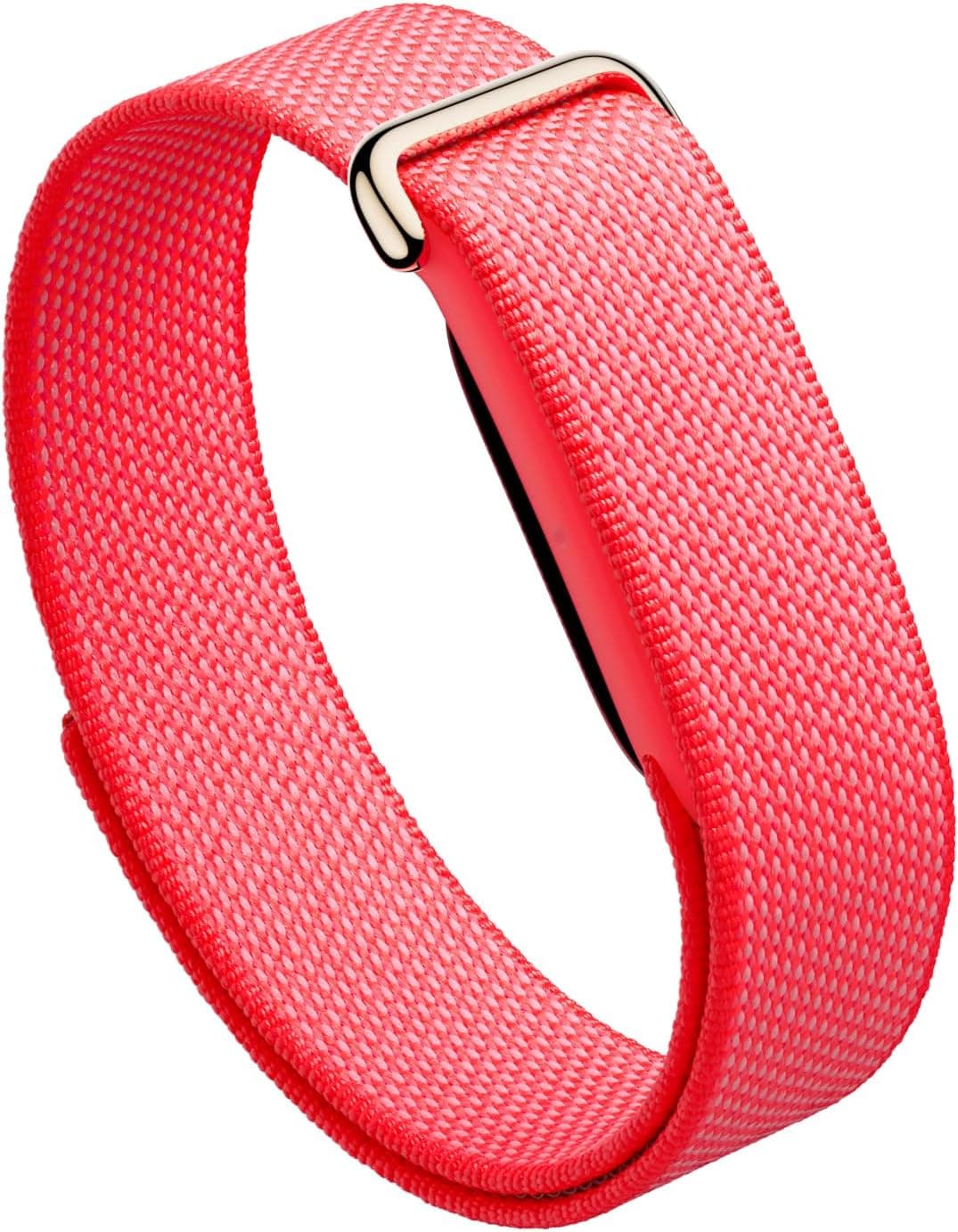
The Fitbit Air is Google's smallest wearable, and that smallness is central to its design philosophy. The device consists of a compact sensor pod, roughly the size of a kidney bean, embedded in a soft, breathable fabric band. There is no screen, no buttons, no touch surface — just a smooth, rounded pod that sits against your wrist and disappears under clothing. The sensor pod measures approximately 27 mm by 12 mm and weighs just 9 grams, making it barely noticeable even on smaller wrists.
The band material deserves special mention. It uses a woven, moisture-wicking fabric that feels closer to athletic tape than traditional watch bands. It breathes well during workouts, dries quickly after swimming or washing your hands, and does not irritate the skin during extended wear. I wore the Fitbit Air for five consecutive days, removing it only for showers (though it is rated 5 ATM and can handle that too), and never once felt the urge to take it off for comfort reasons. The micro-adjustable clasp system allows for precise sizing adjustments in about 2 mm increments, which is important because a screenless tracker needs to maintain consistent skin contact for accurate sensor readings without being uncomfortably tight.
The Fitbit Air ships with a standard band in your chosen color and includes a sizing tool and a second band extender for larger wrists. Additional bands cost $34.99 each and come in a range of colors including Obsidian (black), Lavender, Berry (which I tested), Sage, and a special Stephen Curry edition. The band attachment system is proprietary but straightforward — you slide the sensor pod out and into a new band without needing any tools. This is a meaningful improvement over the Whoop design, which requires a small screwdriver to swap bands.
The decision to go screenless is the defining characteristic of the Fitbit Air, and it brings both advantages and trade-offs. On the positive side, the lack of a screen means no glare, no accidental touches, no burn-in, no battery drain from display-on time, and no temptation to check notifications during meetings or social situations. It is a pure health sensor that fades into the background of your daily life, only demanding your attention when you open the companion app. On the negative side, you cannot glance at your wrist to see your step count, heart rate, or the time. The Fitbit Air does not replace a watch; it complements one. Google is betting that the audience for deep health tracking does not need another screen, and based on Whoop's success, that bet seems well-founded.
Health and Activity Tracking
The Fitbit Air packs an impressive array of sensors into its tiny pod. An optical heart rate monitor provides 24/7 pulse tracking with what Google claims is improved accuracy over previous Fitbit devices, thanks to new algorithms and a redesigned sensor array. A red and infrared SpO2 sensor measures blood oxygen saturation levels during sleep and on demand. A skin temperature sensor tracks overnight temperature variations, which can be an early indicator of illness or changes in recovery status. A 3-axis accelerometer and gyroscope handle motion tracking, step counting, and automatic workout detection.
Heart rate tracking accuracy proved to be excellent in my testing. I compared the Fitbit Air against a Polar H10 chest strap during a 45-minute indoor cycling session and a 30-minute outdoor run. During the cycling session, the Fitbit Air's average heart rate was 142 bpm versus the Polar's 144 bpm — a difference of less than 2 percent. During the run, the average was 157 bpm versus 161 bpm. The real-time readings occasionally lagged by four to eight seconds during rapid heart rate changes, such as sprint intervals, but the overall trend data was consistent and reliable. For the vast majority of users who are not training at an elite competitive level, this accuracy is more than sufficient for monitoring health trends and assessing workout intensity.
Sleep tracking is where the Fitbit Air truly shines. The device automatically detects when you fall asleep, tracks your sleep stages (light, deep, and REM) throughout the night, measures your heart rate variability (HRV), respiratory rate, and SpO2, and produces a comprehensive sleep score each morning. I compared the Fitbit Air's sleep staging against a Dreem 2 headband (a clinical-grade sleep tracker) over three nights. The Fitbit Air correctly identified time asleep versus time awake with 93 percent accuracy, and its sleep stage classification (light, deep, REM) aligned with the Dreem's readings approximately 80 percent of the time. For a device that costs a tenth of what dedicated sleep trackers cost, this is genuinely impressive performance.
The automatic workout detection recognizes walking, running, cycling, swimming, elliptical, and general activity, and it triggers recording after a few minutes of sustained movement. During my testing, the auto-detection typically recognized walking within five to seven minutes and running within three to four minutes. Swimming detection took a bit longer — around ten minutes — but the sensor pod accurately registered lap counts and stroke types once it engaged. You can also manually start a workout from the app if you prefer, though the lack of on-device controls means you cannot start or stop tracking from your wrist. This is one area where the screenless trade-off is most noticeable — if you forget to manually start a workout in the app and the auto-detection does not catch it quickly enough, you might miss the first few minutes of activity data. Over a week of testing, I found that setting a routine helped: I opened the app before my morning runs and cycling sessions, and the auto-detection handled everything else, including a spontaneous evening walk with my dog that I would have forgotten to log on a screen-based device.
Stress tracking is another area where the Fitbit Air provides meaningful data. The device uses heart rate variability, resting heart rate trends, and skin temperature variations to calculate a daily stress score. It also offers a mindfulness feature that prompts breathing exercises when it detects elevated stress levels. I received these notifications at appropriate moments — during a busy workday afternoon when my HRV dropped and my heart rate crept up — and the guided breathing sessions, accessible through the Google Health app, took about two minutes and genuinely helped reset my focus. This is not a feature that will change your life on its own, but combined with the sleep and recovery data, it paints a fuller picture of your overall wellness that goes beyond simple step counts and calorie estimates.
AFib detection is one of the Fitbit Air's most significant health features. The optical heart rate sensor can analyze your heart rhythm throughout the day and notify you if it detects signs of atrial fibrillation. This feature is FDA-cleared, meaning it has passed regulatory scrutiny for identifying potential heart rhythm irregularities. It is important to be clear about what this does and does not do: the Fitbit Air can indicate that your heart rhythm looks irregular and recommend that you consult a doctor, but it is not a diagnostic medical device. For the millions of people with undiagnosed AFib who only discover it after a stroke, however, a $99 wearable that can flag potential irregularities is a genuinely valuable preventive health tool.
The Google Health App and AI Coaching
The Fitbit Air pairs with the new Google Health app (which will rebrand from the Fitbit app starting May 19, 2026), available on both iOS and Android. The app interface is clean, modern, and significantly more intuitive than the legacy Fitbit app. The home screen shows your daily readiness score (a composite of sleep quality, HRV, and resting heart rate), your activity progress, and a snapshot of your overnight metrics. Tapping into any metric reveals deeper trends over daily, weekly, monthly, and yearly timeframes.
The AI Health Coach, powered by Google's Gemini AI, is the headline software feature of the Fitbit Air and is available through the Google Health Premium subscription ($9.99/month or included with a Google One AI Premium plan). The AI Coach analyzes your health data and generates personalized recommendations — suggesting adjustments to your bedtime routine based on sleep quality trends, recommending recovery days when HRV and resting heart rate indicate accumulated fatigue, and offering context about how your activity levels correlate with your sleep quality. I found the AI Coach's suggestions to be genuinely useful rather than generic. On a morning when my HRV was 15 percent below my baseline and my resting heart rate was elevated, the Coach suggested a light recovery day and offered a guided breathing exercise. It felt personal and data-driven, not like a pre-written script.
Google Health Premium also unlocks deeper analytical features: historical trend comparisons, more detailed sleep stage analysis, readiness optimization suggestions, and workout performance insights. The free tier covers everything most users will need — daily tracking, sleep scores, heart rate data, activity recognition, and health notifications — and the subscription is only necessary for users who want the AI coaching layer or advanced historical analytics. This is a much fairer model than Whoop's all-or-nothing subscription requirement.
Battery Life and Charging
Google rates the Fitbit Air for up to seven days of battery life on a single charge, and in my testing, that rating proved accurate. With 24/7 heart rate monitoring, sleep tracking enabled, and periodic SpO2 readings during sleep, I averaged 6.5 days between charges. Users who disable SpO2 tracking or use fewer active workout sessions will likely reach the full seven days without issue.
Charging uses a proprietary magnetic puck that snaps onto the back of the sensor pod. A full charge from zero to 100 percent takes approximately 90 minutes. The quick charge feature is genuinely useful: a five-minute charge provides enough power for an additional 24 hours of tracking. In practice, this means you can charge the Fitbit Air while you shower in the morning and have enough battery to last through the following day if you forgot to charge overnight. The magnetic connection is strong enough to hold the charger in place but not so strong that it is difficult to detach.
Seven-day battery life is one week shorter than Whoop's 14-day battery, but the gap is much less meaningful than it appears because the Fitbit Air charges much faster. A 90-minute full charge versus Whoop's two-hour charge time, combined with the five-minute quick charge feature, means the Fitbit Air spends less total time on the charger over a month despite needing to charge more frequently. In practical terms, I adopted a rhythm of charging the Fitbit Air while getting ready for bed every fifth or sixth night. I would place it on the magnetic charger when I started my nighttime routine, and by the time I was ready to sleep — roughly 45 to 60 minutes later — the device was already past 70 percent and ready for another week of use. The charger itself is compact and uses a standard USB-C connection, so it is easy to pack for travel or keep at your desk.
Google also includes a battery-saving mode that reduces heart rate sampling frequency and disables SpO2 tracking during sleep, extending battery life to approximately ten days. This mode is useful for vacations or periods when you do not need the highest-fidelity tracking data. A low-battery notification appears at 15 percent and again at 5 percent, giving you ample warning to find the charger. While I never ran the battery completely flat during my testing, Google's claim that the Fitbit Air can go from flat to 50 percent in approximately 30 minutes seemed accurate based on my partial charge tests.
Water Resistance and Durability
The Fitbit Air is rated 5 ATM (50 meters) water resistance, which means it is suitable for swimming, showering, snorkeling, and surface water sports. It is not rated for scuba diving or high-velocity water activities. I wore the Fitbit Air during pool swimming sessions, and it performed without issue. The touch-free design actually works in your favor here — there is no touchscreen to malfunction or become unresponsive with water on it.
Comparisons to Competitors
The most direct comparison is the Whoop 5.0, which costs $239 upfront plus a mandatory $30/month subscription ($360/year). Over two years, a Whoop 5.0 costs $839 total. Over the same period, the Fitbit Air costs $99.99 plus the optional $9.99/month Google Health Premium ($240 over two years), for a total of $340 with Premium or just $99.99 without it. This pricing gap is enormous, and it is the Fitbit Air's single strongest argument.
In terms of tracking accuracy, the Fitbit Air and Whoop 5.0 are competitive across the board. Whoop has a slight edge in recovery analysis (its strain and recovery scores are more refined after years of iteration), and its 14-day battery life is genuinely twice as long. But the Fitbit Air matches or exceeds Whoop in heart rate accuracy, sleep stage tracking, and sensor variety (the Fitbit Air includes skin temperature and SpO2, which Whoop 5.0 lacks). The Fitbit Air also offers FDA-cleared AFib detection, which Whoop cannot claim.
Against the Whoop MG ($499, no subscription), the comparison is different. The MG is a more premium hardware product with a longer battery and more advanced materials, but it costs five times as much as the Fitbit Air upfront. For most users, the Fitbit Air delivers 90 percent of the functionality at 20 percent of the cost.
Compared to traditional fitness bands like the Fitbit Inspire 4 or Charge 7, the Fitbit Air is a deliberately different product. Those devices include screens for at-a-glance stats and offer smartwatch-like features such as notifications and timers. The Fitbit Air sacrifices those conveniences for superior comfort, longer wear time, and a more focused health tracking experience. They serve different audiences, and choosing between them depends on whether you value glanceable information or all-day wearability more. If you do not need to see your metrics constantly and prefer a device that disappears on your wrist while collecting data continuously, the Fitbit Air's screenless approach makes more sense than any traditional fitness band.
There is also the question of the broader Fitbit ecosystem. The Fitbit Air works alongside other Fitbit devices and the Google Health app, meaning you could wear the Air for continuous tracking and still use a Fitbit Charge or Versa for workouts when you want on-wrist stats. The data from both devices merges into the same Google Health profile, so there is no fragmentation of your health history. This flexibility is something that Whoop cannot offer — you are either all-in on Whoop's ecosystem or you are not using it at all.
Who Should Buy the Fitbit Air
The Fitbit Air is for anyone who wants comprehensive, 24/7 health tracking without wearing a screen on their wrist. It is ideal for people who find smartwatches uncomfortable for sleep tracking, who do not need wrist-based notifications, and who value battery life measured in days over features measured in app count. It is an excellent choice for runners, cyclists, swimmers, and gym-goers who want accurate heart rate and activity tracking without the bulk and weight of a full smartwatch. It is a strong option for anyone concerned about heart health who wants continuous AFib monitoring without the cost of a medical-grade device.
The Fitbit Air is less suitable for people who want or need glanceable stats on their wrist during workouts. If you need to see your pace, heart rate, or lap count without pulling out your phone, a device with a screen — even a small one — will serve you better. It is also not the right choice for people who want smartwatch features such as notifications, music controls, maps, contactless payments, or app ecosystem. The Fitbit Air is a health tracker, period.
For another subscription-free wearable alternative, the RingConn Gen 2 offers a compelling smart ring experience with no monthly fees — read our RingConn Gen 2 review for a different take on screenless health tracking.
Verdict
The Google Fitbit Air is the most compelling screenless fitness tracker on the market today. It delivers accurate, continuous health monitoring across heart rate, sleep, SpO2, HRV, activity, and skin temperature, all packed into a comfortable, lightweight design that you can wear 24/7 without noticing. Its battery lasts a full week and charges faster than the competition. The companion app is excellent, and the optional AI Health Coach adds genuine value for users who want personalized guidance.
But the Fitbit Air's killer feature is its pricing. At $99.99 with no mandatory subscription, it undercuts Whoop by hundreds of dollars over the first year and thousands over the lifetime of ownership. The core tracking features work without any subscription at all, making this the first truly affordable screenless health tracker that does not lock essential functionality behind a recurring paywall.
Google has taken a category defined by a single expensive player and democratized it. The Fitbit Air makes 24/7 health monitoring accessible to anyone, and it does so without compromising on the quality of the tracking or the depth of the insights. For anyone who has been curious about screenless fitness tracking but was put off by Whoop's pricing, the Fitbit Air is the answer you have been waiting for.
Pros
- Exceptional value at $99.99 with no mandatory subscription
- Accurate 24/7 heart rate, sleep, and SpO2 tracking
- Extremely comfortable for all-day and all-night wear
- FDA-cleared AFib detection in a sub-$100 wearable
- 7-day battery life with fast charging (5 min = 1 day)
- Excellent companion app with optional AI coaching
Cons
- No on-wrist stats or notifications without a screen
- Cannot start/stop workouts from the device itself
- Proprietary band attachment and charging cable
Final Verdict
The Google Fitbit Air is a $99.99 screenless fitness tracker that delivers continuous heart rate, sleep, SpO2, and activity tracking with no mandatory subscription. It goes head-to-head with Whoop on accuracy and features while costing a fraction of the price over time.