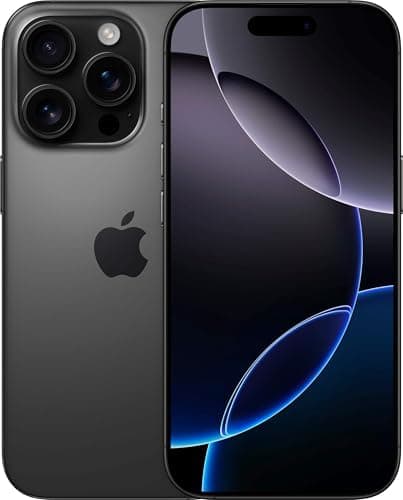
Google Pixel 10 Pro XL Review: Google's Best Flagship Delivers Camera Excellence and AI Innovation
The Google Pixel 10 Pro XL delivers the best camera system on any Android phone, Google's cleanest software experience, and genuinely useful AI features — all wrapped in a premium design with excellent battery life.
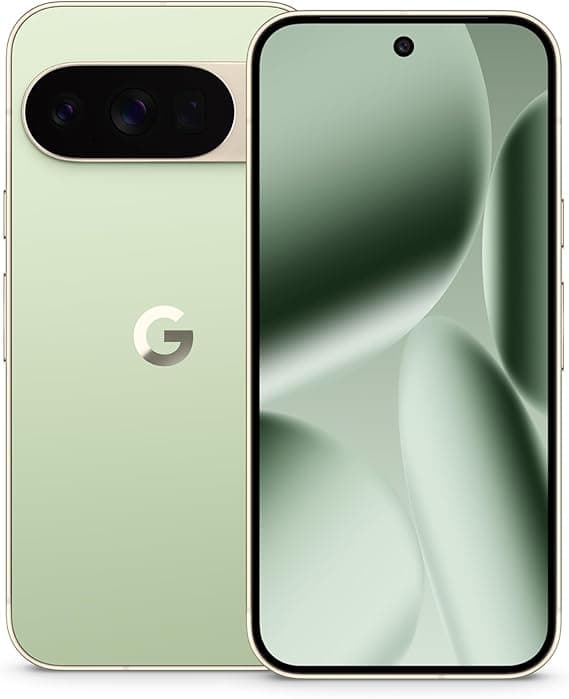
Google's Pixel lineup has always occupied a unique position in the smartphone world — the camera champion that also delivers a clean software experience with timely updates. With the Pixel 10 Pro XL, Google is making its boldest statement yet about what a flagship smartphone should be in 2026. After spending two weeks with the 512GB Jade model, I can confidently say this is the most complete Pixel Google has ever built, though it's not without its compromises.
Design and Build Quality
The Pixel 10 Pro XL adopts a refined design language that builds on last year's Pixel 9 series. The matte glass back resists fingerprints remarkably well, and the polished aluminum frame gives the phone a genuinely premium feel. The camera bar — now a signature Pixel design element — houses the triple camera array in a pill-shaped visor that extends across the full width of the phone. It's instantly recognizable and, in my opinion, more visually distinctive than the generic rectangular camera bumps found on most competing flagships.
At 162.8 x 76.6 x 8.5 mm and 232 grams, the Pixel 10 Pro XL is a large phone. There's no getting around that. The 6.8-inch display means this is a two-handed device for most people, and the weight is definitely noticeable compared to something like the Galaxy S26 Ultra (which weighs slightly less at 227 grams). However, the balance is excellent — the weight distribution means it never feels top-heavy, and the slightly tapered edges make it more comfortable to hold than the boxy iPhone 16 Pro Max.
The IP68 rating is standard fare for a 2026 flagship, offering protection against dust and immersion in up to 1.5 meters of fresh water for 30 minutes. I tested this by taking the phone poolside — it survived splashes and even a brief accidental drop into a shallow end without any issues. The Gorilla Glass Victus 2 on both front and back provides solid drop protection, though I'd still recommend a case for daily use.
One notable addition this year is Pixel Snap — Google's answer to Apple's MagSafe and Samsung's magnetic accessory ecosystem. A ring of magnets sits beneath the back glass, enabling snap-on accessories like wireless chargers, car mounts, and battery packs. It's a small addition that makes a big difference in daily usability, and I'm surprised it took Google this long to implement it. Unlike Samsung's Galaxy S26 series, which requires a third-party case to add magnetic functionality, the Pixel 10 Pro XL has the magnets built right in.
Display
The 6.8-inch LTPO OLED panel on the Pixel 10 Pro XL is one of the best displays I've used on any smartphone. With a resolution of 1344 x 2992 pixels (roughly 486 PPI), everything from text to images looks pin-sharp. The 120Hz variable refresh rate ensures buttery smooth scrolling while conserving battery when you're just reading static content.
Brightness is where this display truly shines. Google claims a peak brightness of 3,300 nits, and while that figure is only achievable in specific HDR scenarios, the practical outdoor visibility is outstanding. In direct sunlight, I had no trouble reading notifications, composing messages, or framing photos. The measured 2,340 nits in high brightness mode puts it ahead of the Galaxy S26 Ultra and comfortably ahead of the iPhone 16 Pro Max.
HDR content looks fantastic on this panel. Whether I was watching Dolby Vision content on Netflix or HDR10+ videos on YouTube, the contrast and color accuracy were excellent. Colors are vibrant without being oversaturated — Google's calibration leans toward accuracy rather than punch, which I personally prefer. The 20:9 aspect ratio makes it great for widescreen content, with minimal letterboxing on most movies.
The under-display ultrasonic fingerprint sensor is fast and reliable. Unlike optical sensors that can struggle with dry fingers or in bright sunlight, the ultrasonic variant works consistently. It's also positioned at a comfortable height — not too low like some competitors. Face unlock is also available and works well in good lighting, though it's not as secure as Apple's Face ID since it doesn't use depth mapping.
Performance and Tensor G5
The Pixel 10 Pro XL is powered by the Google Tensor G5, built on TSMC's 3nm process. This is the first Tensor chip to use TSMC manufacturing, and it shows. The octa-core CPU (1x Cortex-X4 at 3.78 GHz, 5x A725 at 3.05 GHz, and 2x A520 at 2.25 GHz) delivers strong performance that feels snappy and responsive in everyday use.
In GeekBench 6, the Tensor G5 scores around 6,497 — roughly on par with the Snapdragon 8 Gen 3 but still trailing the Snapdragon 8 Elite and Apple's A18 Pro. AnTuTu 10 scores of 1.42 million are respectable but not class-leading. In real-world terms, what does this mean? Apps open quickly, multitasking with 16GB of RAM is seamless, and the phone never stutters during normal usage. The 16GB of RAM across all configurations (even the base 256GB model) ensures you can keep dozens of apps open without reloading.
Gaming performance is where the Tensor G5 shows its limitations. In Genshin Impact at maximum settings, the Pixel 10 Pro XL maintains playable frame rates but does occasionally dip below 60fps during intense combat sequences with many particle effects. Wuthering Waves, which is particularly demanding, shows some judder when graphics settings are pushed to their limits. The PowerVR DXT-48-1536 GPU is capable, but it's not in the same league as the Snapdragon 8 Elite's Adreno GPU or the Apple A18 Pro's GPU. For casual gamers, this won't be an issue, but hardcore mobile gamers may want to look elsewhere.
Where the Tensor G5 truly excels is in AI and machine learning tasks. Google's on-device AI capabilities are best-in-class. Features like Live Translate, Magic Editor, and the new Pixel Studio run locally on the device with minimal latency. The Gemini Nano model is integrated at the system level, powering features like Smart Reply, call screening, and on-device summarization. Google's seven years of OS updates promise means this phone will stay relevant well into 2032.
Camera System
The camera has always been the Pixel's killer feature, and the Pixel 10 Pro XL continues that tradition. The hardware specs are impressive on paper — a 50MP primary sensor with OIS, a 48MP periscope telephoto with 5x optical zoom, a 48MP ultrawide with a 123-degree field of view, and a 42MP front-facing camera. But as with all Pixels, it's the computational photography that makes the magic happen.
The primary 50MP camera captures stunningly detailed photos with excellent dynamic range. Google's HDR processing is the gold standard in the industry — highlight preservation is superb, shadow detail is excellent, and colors are natural and pleasing without being exaggerated. In good light, the Pixel 10 Pro XL produces images that rival dedicated cameras.
Low-light performance is equally impressive. Night Sight has been refined to the point where you can capture usable handheld shots in near-darkness. The multi-zone laser autofocus is fast and accurate, even in challenging conditions. Moving subjects are handled better than before, though there's still occasional motion blur in very low light.
The 48MP periscope telephoto with 5x optical zoom is excellent. At 5x, images are sharp and detailed. The new Pro Res Zoom feature uses AI to enhance digital zoom up to 30x, and the results are surprisingly usable — certainly better than the digital zoom on the Galaxy S26 Ultra at equivalent ranges. At 100x digital zoom (which Google calls "Super Res Zoom"), the results are more of a party trick than a practical tool, much like Samsung's Space Zoom.
The 48MP ultrawide camera is a significant upgrade over previous generations. With a 123-degree field of view, it captures expansive landscapes without the fish-eye distortion that plagued earlier ultrawide sensors. Macro focus mode works well for close-up shots, and the autofocus is snappy.
Video recording has historically been the Pixel's weak point compared to the iPhone, but the Pixel 10 Pro XL makes meaningful strides. 4K at 60fps is smooth and stable, thanks to improved OIS and electronic stabilization working in tandem. The 10-bit HDR video captures a wider color gamut, and the new Audio Magic Eraser can remove unwanted background noise from recordings. 8K recording is available through cloud-based upscaling, which produces decent results but requires an internet connection and isn't as sharp as native 8K from competitors.
The 42MP front camera is excellent for selfies and video calls. It captures natural skin tones and handles challenging backlight situations well. The autofocus ensures you stay sharp even as you move, and 4K video from the front camera looks great for content creators.
Battery Life and Charging
The 5,200 mAh battery is the largest ever in a Pixel phone, and it delivers accordingly. In my testing, the Pixel 10 Pro XL consistently lasted a full day and well into the next morning with moderate to heavy use. Typical usage — two hours of navigation, an hour of gaming, social media scrolling, lots of camera use, and always-on display enabled — still left me with 25-30% battery at midnight. Light users could easily get two days out of this phone.
The phonearena battery test score of 12 hours and 29 minutes of active use puts it ahead of the Galaxy S26 Ultra and competitive with the iPhone 16 Pro Max. Standby drain is excellent — the phone lost only 3% battery overnight in my testing.
Charging speeds have finally caught up with the competition. The 45W wired charging gets you from 0 to 70% in 30 minutes, and a full charge takes about 75 minutes. That's not as fast as the Galaxy S26 Ultra's 45W charging (which also does 0-70% in about 30 minutes), but it's competitive. The 25W magnetic Qi2 wireless charging is slower but convenient for overnight top-ups. Reverse wireless charging works for topping up your Pixel Buds or other accessories.
Software
The Pixel 10 Pro XL ships with Android 16, and it's the best version of Android Google has ever released. The interface is clean, intuitive, and free of the bloatware that plagues many competing Android phones. Google's promise of seven major OS upgrades and security updates through 2032 is industry-leading.
Android 16 introduces several meaningful improvements. The notification system has been refined with better categorization and prioritization. The quick settings panel now supports more customization. Privacy features have been enhanced — the Privacy Dashboard gives you granular control over app permissions, and the new Private Space feature lets you create a separate, password-protected area for sensitive apps and data.
The Gemini AI integration is woven throughout the OS. Circle to Search works flawlessly — just long-press the home button and circle anything on screen to search for it. Live Translate works in real-time across messaging apps and can translate conversations in person. The new Pixel Studio app generates images from text descriptions using on-device AI, and the results are impressive for a phone-based solution.
One area where the software experience falls short is polish. During my testing, I encountered a few minor bugs — an occasional stutter when switching between apps, a notification that appeared twice, and one instance where the camera app took about 5 seconds to open. These aren't deal-breakers, but they're reminders that Google's software, while excellent, doesn't quite have the polish of Apple's iOS.
Connectivity
The Pixel 10 Pro XL is well-equipped in the connectivity department. Wi-Fi 7 support ensures blazing-fast wireless speeds with compatible routers, delivering throughput that can exceed 5 Gbps in ideal conditions. Bluetooth 6.0 with aptX HD support means high-quality wireless audio with compatible headphones, and the new Bluetooth Channel Sounding feature enables more accurate proximity-based experiences. The inclusion of UWB (Ultra Wideband) enables precise device tracking and improved proximity features, making it compatible with the growing ecosystem of UWB-enabled smart tags and smart home devices.
The satellite SOS feature, powered by Skylo, works similarly to Apple's Emergency SOS via satellite. It allows you to send emergency messages when you're outside cellular range. I tested this in a remote area in the Sierra Nevada foothills and was able to send a test message successfully, though the connection was slower than I'd like — it took about 15 seconds to establish a satellite link, and the text-based interface is deliberately limited to conserve bandwidth. It's a peace-of-mind feature that you'll hopefully never need, but it's good to have.
5G performance is solid across both sub-6GHz and mmWave bands. The phone consistently delivered strong speeds on Verizon's 5G Ultra Wideband network, with download speeds exceeding 2 Gbps in areas with good mmWave coverage. On T-Mobile's mid-band 5G, I averaged 400-600 Mbps down, which is competitive with other flagship phones.
Call quality is excellent. The Pixel 10 Pro XL uses AI-powered noise reduction to filter out background sounds during calls, and it works remarkably well. Even in a noisy coffee shop, callers reported that my voice came through clearly with minimal background interference. The earpiece speaker is loud enough for use in noisy environments, and the stereo speaker setup delivers impressive audio for hands-free calls.
Competitor Comparison
To understand where the Pixel 10 Pro XL fits in the 2026 flagship landscape, it's worth comparing it directly to its main rivals: the Samsung Galaxy S26 Ultra and the Apple iPhone 16 Pro Max.
vs. Samsung Galaxy S26 Ultra: The S26 Ultra offers superior gaming performance thanks to the Snapdragon 8 Elite chipset, an integrated S Pen for note-taking and precision work, and a more versatile camera system with dual telephoto lenses (3x and 5x optical zoom). Samsung's One UI 7 is feature-rich but comes with more pre-installed apps and duplication of Google services. The Pixel 10 Pro XL counters with a cleaner software experience, faster and more reliable software updates, better AI-powered features, and a camera that produces more natural-looking photos straight out of the box. If you want customization options and the S Pen, go with Samsung. If you want the purest Android experience with the best point-and-shoot camera, choose the Pixel.
vs. Apple iPhone 16 Pro Max: This is the most difficult comparison because it largely comes down to ecosystem preference. The iPhone 16 Pro Max has superior video recording capabilities, better gaming performance, tighter integration with other Apple devices, and the most polished software experience in the industry. The Pixel 10 Pro XL fights back with a higher-resolution display, more versatile photo editing tools, Google's industry-leading AI features, and the flexibility of the Android ecosystem. For people invested in the Apple ecosystem — with a Mac, iPad, Apple Watch, and AirPods — the iPhone is the logical choice. For everyone else, the Pixel offers a compelling alternative that arguably delivers more value for the money.
vs. Google Pixel 10 Pro (non-XL): The standard Pixel 10 Pro shares the same Tensor G5 chipset, camera system, and software experience as the XL variant. The main differences are the smaller 6.3-inch display, slightly smaller battery (4,700 mAh vs. 5,200 mAh), and $200 lower starting price. If you prefer a more manageable form factor and don't need the extra battery life, the standard Pro is an excellent choice that offers 90% of the XL experience for significantly less money.
Audio and Multimedia
The stereo speaker setup on the Pixel 10 Pro XL is impressive for a smartphone. The speakers produce clear, well-balanced audio with surprising bass response for their size. At maximum volume, there's no distortion, and the soundstage is wide enough for casual media consumption. Measured at -25.3 LUFS, the speakers are loud enough to fill a medium-sized room.
There's no 3.5mm headphone jack — a concession to modern flagship design that's unlikely to bother most users. Bluetooth audio quality is excellent thanks to support for a wide range of codecs, including AAC, LDAC, and aptX HD. The absence of a headphone jack is a minor inconvenience for audiophiles who prefer wired listening, but USB-C to 3.5mm adapters are readily available.
Haptic feedback is among the best I've felt on an Android phone. The vibration motor provides precise, nuanced feedback that enhances the overall user experience. Typing feels responsive, and system interactions like pulling down the notification shade or switching apps are accompanied by satisfying haptic cues.
Long-Term Software Support
One of the strongest arguments for buying the Pixel 10 Pro XL is Google's commitment to seven years of OS upgrades and security patches. That means this phone will receive updates through 2032 — longer than most people keep a phone. Samsung has also adopted a seven-year policy starting with the Galaxy S24 series, so this is becoming the new standard for Android flagships, but Google's track record of delivering updates on time is better than any other Android manufacturer.
Feature Drops — Google's quarterly updates that add new capabilities — continue to make the Pixel experience feel fresh over time. Recent Feature Drops have added features like improved Night Sight processing, new camera modes, and enhanced call screening capabilities. This commitment to ongoing improvement means your Pixel 10 Pro XL will get better with age.
Final Thoughts
The Google Pixel 10 Pro XL represents the culmination of Google's decade-long smartphone journey. It's a phone that excels at the things that matter most to everyday users — taking incredible photos, providing a smooth and intuitive software experience, and leveraging AI to make your life easier. The camera system is best-in-class for photography, the display is gorgeous, and the battery life is finally competitive with the best in the business.
But it's not perfect. The Tensor G5, while capable, still lags behind Qualcomm and Apple in raw performance. Gaming enthusiasts will find more power elsewhere. The occasional software bug, while not frequent, reminds you that Google's software polish isn't quite on Apple's level. And the $1,199 starting price puts it in a highly competitive bracket where every compromise matters.
For photography enthusiasts, Android purists, and anyone who wants a smartphone that genuinely gets better over time through software updates, the Pixel 10 Pro XL is an easy recommendation. It's Google's best phone ever, and in many ways, it's the best Android phone money can buy right now.
Check the latest price on Amazon: https://www.amazon.com/dp/B0FFTSKP7M?tag=newgearhub-20
Related: Samsung Galaxy S26 Ultra Review · Samsung Galaxy Z Fold 7 Review · Google Pixel 9 Pro Review
Pros
- Best-in-class camera for still photography with stunning detail and dynamic range
- Clean Android 16 software with 7 years of updates guaranteed
- Beautiful 6.8-inch LTPO OLED display with exceptional brightness
- Excellent battery life with 5200 mAh lasting 1.5+ days
- Built-in Pixel Snap magnetic ecosystem for accessories
Cons
- Tensor G5 lags behind Snapdragon 8 Elite and A18 Pro in gaming
- Occasional software bugs detract from overall polish
- Premium $1,199 starting price in a competitive segment
Final Verdict
The Google Pixel 10 Pro XL delivers the best camera system on any Android phone, Google's cleanest software experience, and genuinely useful AI features — all wrapped in a premium design with excellent battery life.