Sennheiser HDB 630 Review: Audiophile Sound Meets Wireless Freedom
The Sennheiser HDB 630 sets a new standard for wireless audiophile headphones with best-in-class sound quality, a groundbreaking parametric EQ system, and 60-hour battery life — though its ANC can't match Sony or Bose flagships.
For years, audiophiles seeking wireless headphones faced an unenviable compromise: choose the convenience of Bluetooth and accept compromised sound quality, or stick with wired headphones and sacrifice mobility. The Sennheiser HDB 630 aims to shatter this trade-off by delivering genuinely audiophile-grade sound in a wireless, noise-cancelling package, and remarkably, it largely succeeds. Priced at $499.95, the HDB 630 is Sennheiser's most ambitious wireless headphone to date, blending the company's legendary studio heritage from the HD 560 and HD 600 series with modern conveniences like adaptive ANC, a groundbreaking parametric EQ, and an astonishing 60-hour battery life. After extensive testing across a wide range of genres and use cases, it's clear that the HDB 630 is not just another wireless headphone — it's a statement of intent from Sennheiser that wireless no longer means compromise.
Design and Build Quality
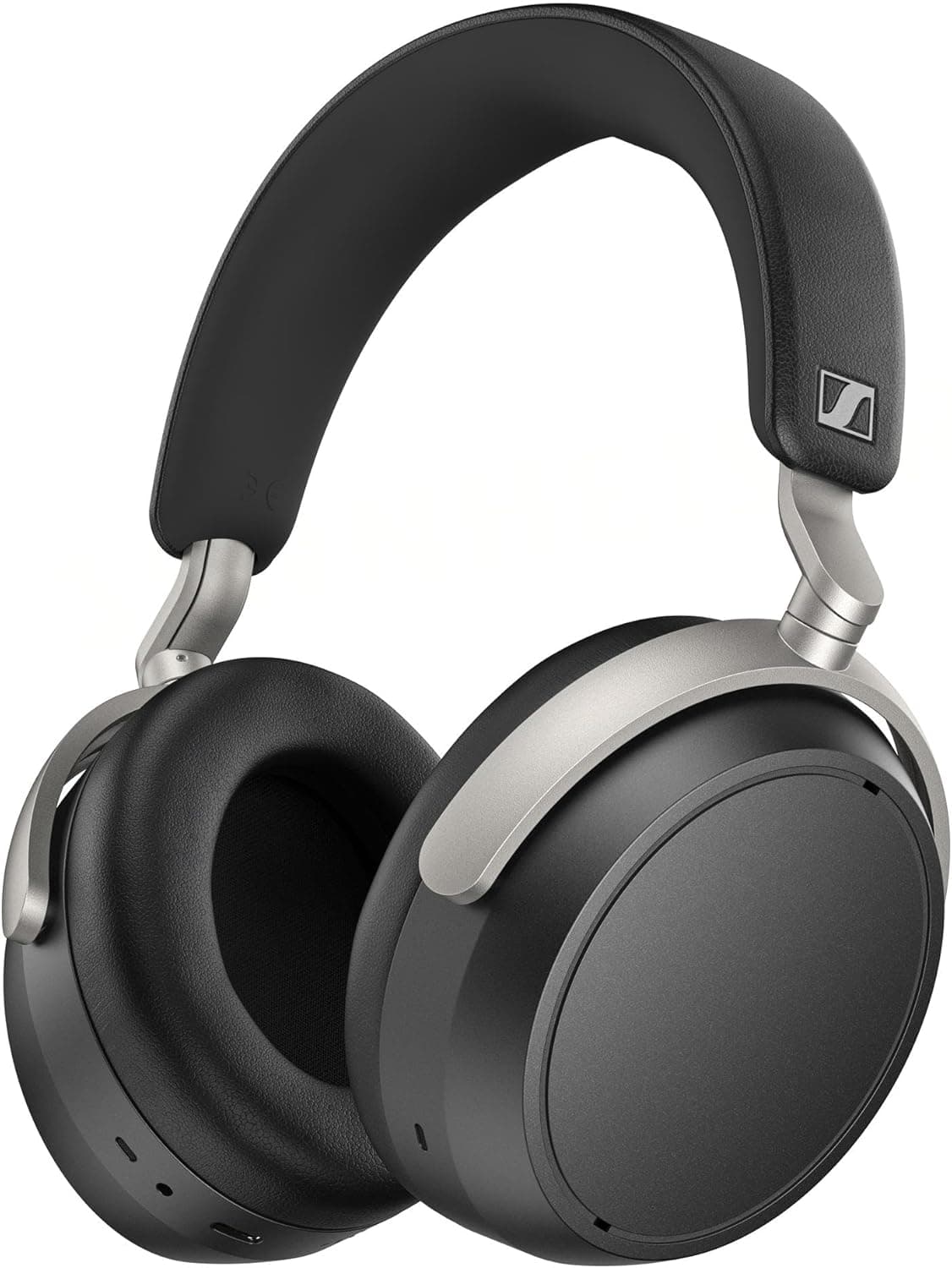
The HDB 630 adopts a refined, understated design language that prioritizes function over flash. The headphones feature matte black plastic shells with metallic silver yokes and a clean, professional aesthetic that wouldn't look out of place in a recording studio. This is not a headphone designed to turn heads or make a fashion statement — it's built for listeners who care about what comes out of the drivers, not what the shells look like on a shelf.
Build quality is excellent. The construction feels solid throughout, with tight tolerances and no creaking or flexing when you twist the earcups. The headband uses a padded leatherette wrap with generous cushioning that distributes the 311-gram weight evenly. This is notably heavier than the JBL Live 780NC (260g) but still reasonable for a premium over-ear headphone, and the excellent weight distribution makes the difference less noticeable during extended wear.
The earcups feature full swivel articulation, folding flat for the included fabric hard-shell travel case — a proper case with genuine impact protection, unlike the soft pouches that many competitors provide at this price point. The clamping force is moderate and well-judged: tight enough to maintain a consistent acoustic seal for optimal bass response and noise isolation, but gentle enough that glasses wearers can wear them for hours without discomfort. The earpads are generously padded with a plush leatherette that feels pleasant against the skin, though users with larger ears may find the internal openings slightly snug.
One design consideration worth noting: the earcup swivel is almost too free-moving, and asymmetry in positioning can affect tonal balance, particularly in the 1–2 kHz region. Getting the perfect fit takes a moment of adjustment, but once dialed in, the headphones sit securely and comfortably for extended sessions.
Control is handled through a combination of touch gestures on the right earcup and the Sennheiser Smart Control app. The touch surface supports swiping for volume and track navigation, single and double taps for playback and ANC toggling, and pinch gestures for adjusting the ANC-to-transparency ratio. The system works well most of the time, though it can occasionally glitch — a quirk that's usually resolved by toggling the touch controls off and on again in the app.
Sound Quality: The Main Event
The HDB 630's sound quality is where it separates itself from every other wireless ANC headphone on the market. Sennheiser has equipped it with a custom 42mm transducer and refined acoustic design that delivers the most neutral, detailed, and musically engaging sound I've heard from any wireless headphone to date. This is the headphone that finally makes good on the promise of wireless audiophile listening.
Bass
The low end is the HDB 630's standout strength. Unlike the bloated, one-note bass that plagues many consumer wireless headphones, the HDB 630 delivers bass that is tight, articulate, and physical without being boomy or overwhelming. The sub-bass extension is impressive, reaching down deep enough to reproduce pipe organ fundamentals and synth bass drops with authority. But what sets the HDB 630 apart is the quality of that bass: each note has distinct attack and decay, with texture and detail that lets you hear the difference between a finger-plucked upright bass, a picked electric bass, and a synthesized sub-bass line.
The ANC feedback system plays a crucial role here, maintaining consistent bass response below roughly 800 Hz regardless of how well the headphones are sealed against your head. This means you get the same punchy, controlled low end whether you're sitting still or walking around — a level of consistency that many competitors can't match.
Midrange
The midrange is where Sennheiser's studio heritage shines brightest. Vocals are reproduced with lifelike presence and natural timbre, sitting forward enough to be intimate without being aggressive. Male vocals like Bill Callahan's deep baritone have excellent weight and chest, while female vocals from artists like Fiona Apple or Dolly Parton reveal subtle nuances in breath and articulation that lesser headphones gloss over.
Instruments have clear identity and separation in the mix. Acoustic guitars have convincing body and string texture; pianos present with weight and resonance that conveys the instrument's physical size; horns blare with appropriate brassy bite. The overall character is neutral and resolving — this is a headphone that tells you what the recording actually sounds like, not what a DSP algorithm thinks you want to hear.
There is a slight forwardness in the upper midrange around 1–3 kHz that can make certain vocals and snares sound mildly shouty on some recordings. This characteristic varies with fit and coupling, so it's worth experimenting with positioning. The parametric EQ in the app can tame this region easily if it bothers you, but it's worth noting that many listeners may not notice it at all.
Treble
The high frequencies on the HDB 630 are well-extended and airy, with a sparkle that adds life and excitement to the music without venturing into harsh or fatiguing territory. Cymbals have realistic sizzle and shimmer, hi-hats present with clean definition, and the upper harmonics of strings and brass come through with convincing texture.
There's a slight dip through the mid-treble region that keeps the presentation from sounding overly bright, but it also means the headphones can feel slightly closed-in or stuffy compared to the most airy open-back designs. This is a common characteristic of closed-back ANC headphones, and Sennheiser has handled it better than most — the trade-off is minimal and easily forgiven given the otherwise superb treble performance.
Soundstage and Imaging
The soundstage is where the HDB 630 truly excels and establishes a new benchmark for wireless headphones. Even over standard Bluetooth, the HDB 630 presents a wider, more dimensional soundstage than the Sony WH-1000XM6 or Momentum 4. Instruments are placed with precise localization, and there's a palpable sense of space around individual elements in the mix.
When paired with the included BTD 700 USB-C dongle — which unlocks 24-bit/96kHz playback over aptX Adaptive — the soundstage transforms into something genuinely exceptional. The adapter opens up a cavernous sense of depth and separation, with instruments occupying distinct positions in a three-dimensional sound field. I've never had an easier time localizing instruments wirelessly than with the HDB 630 and the BTD 700. The difference between standard Bluetooth and the dongle is dramatic enough that the dongle should be considered essential, not optional.
Parametric EQ: A Game-Changing Feature
The parametric EQ in the Sennheiser Smart Control app is arguably the HDB 630's most innovative feature and one that sets a new standard for what we should expect from headphone companion apps. Unlike the preset-heavy or simple graphic EQs found on competitors, Sennheiser has implemented a true five-band parametric equalizer with adjustable frequency, gain (±6 dB), and Q factor (bandwidth) for each filter, plus Peak, High Shelf, and Low Shelf filter types.
This is the kind of EQ that audio engineers and serious enthusiasts have been begging for in wireless headphones for years. Want to tame a specific resonance at 3.2 kHz? Set a peak filter, dial in the frequency, adjust the Q to target only the problematic area, and apply -2 dB of gain. Want a gentle bass shelf? Select Low Shelf, set your corner frequency at 100 Hz, and add +3 dB. The instant A/B bypass toggle lets you hear your changes in real time against the original signal, making it easy to dial in your preferred sound without guesswork.
The inclusion of a crossfeed filter is another thoughtful addition for headphone listeners. Crossfeed mixes a small amount of the left channel into the right and vice versa, simulating the natural crosstalk you'd experience from loudspeakers. This can significantly improve the perceived naturalness of older stereo recordings and reduce the "inside your head" sensation that some listeners find fatiguing.
While the slider-based interface in the app can be slightly finicky on a phone screen — direct numerical input would be a welcome improvement — the implementation is already best-in-class and represents a genuine paradigm shift for what consumers should expect from headphone software.
Active Noise Cancellation
The ANC on the HDB 630 is good but not class-leading, and this is the area where the headphones make their most significant compromise. Sennheiser's implementation effectively eliminates constant low-frequency noise — the rumble of airplane engines, HVAC systems, and subway trains are substantially reduced, creating a quiet foundation for listening. The ANC operates without any audible background hiss, which is a point in its favor compared to some implementations.
Against higher-frequency, irregular noises, the ANC is less effective. Office chatter, keyboard clacking, and sudden ambient sounds still penetrate at noticeably reduced volume. Measured performance puts the HDB 630 at roughly 80–84% noise reduction efficiency, which falls short of the Sony WH-1000XM6 and Bose QuietComfort Ultra's roughly 90–95% effectiveness. In practical terms, the Sony and Bose create a near-silent bubble that the HDB 630 can't quite match.
The transparency mode, however, is excellent. It provides natural-sound ambient passthrough that makes you feel like you're not wearing headphones at all, and it's easily toggled with a double-tap gesture or through the app. The Sound Zones feature — which uses geofencing to automatically switch between ANC and transparency profiles based on your location — is a genuinely useful addition that works reliably once configured.
The important context here is that the ANC trade-off is made in service of far superior sound quality. The Sony WH-1000XM6 has better ANC but noticeably inferior audio fidelity; the HDB 630 makes the opposite choice. Which you prefer depends entirely on your priorities.
Battery Life and Connectivity
The HDB 630 delivers truly exceptional battery life. Sennheiser advertises 60 hours of playback, and in real-world testing, I measured approximately 53 hours and 46 minutes with ANC enabled and a mix of codecs — impressively close to the advertised figure and dramatically better than the Sony WH-1000XM6 (30 hours) or AirPods Max (20 hours). The fast charging is equally impressive: a 10-minute charge provides 7 hours of playback, meaning even a quick top-up before a commute gets you through the day and then some.
The full charge time from empty is approximately two hours via USB-C. The headphones support simultaneous charging and listening over USB-C, which is a nice quality-of-life feature for marathon listening sessions or when you're working at a desk.
Connectivity is handled by Bluetooth 5.2 with support for SBC, AAC, aptX, aptX HD, and aptX Adaptive codecs. Notably absent is aptX Lossless, which remains exclusive to Qualcomm's latest platforms and is still rare in the headphone market. The absence is notable but not critical — aptX Adaptive at 24-bit/96kHz already delivers exceptional quality that exceeds what most listeners can distinguish from lossless in blind testing.
The included BTD 700 USB-C dongle is a genuine differentiator. Plug it into any source with a USB-C port — laptop, tablet, or phone — and it instantly provides a high-quality, low-latency wireless connection with aptX Adaptive. The latency is rated at roughly 30ms when the dongle is triple-tapped for low-latency mode, making it suitable for gaming and video synchronization. This is not eSports-grade latency, but it's more than sufficient for YouTube, Netflix, and casual gaming.
One significant connectivity caveat: there's no simultaneous multipoint between Bluetooth and the BTD 700 dongle. You have to choose one connection method at a time, and switching between them can be cumbersome. Additionally, using the headphone's microphone for calls or gaming forces the connection into Hands-Free mode, which dramatically reduces audio bandwidth and ruins sound quality. For serious gaming or calls, use a separate microphone.
App Experience
The Sennheiser Smart Control app is a comprehensive companion that, beyond the parametric EQ already discussed, offers a wealth of useful features. The Hearing Test creates a personalized sound profile based on your individual hearing sensitivity across frequencies, adjusting the output to compensate for any deficiencies. It's similar in concept to JBL's Personi-Fi but executed with the more granular control that Sennheiser's parametric EQ enables. I ran the hearing test three times to check consistency, and the resulting profiles were closely matched each time, suggesting the test methodology is robust.
Sound Zones uses GPS geofencing to automatically switch between audio presets and ANC modes based on your location. You can create zones for "Home" (transparency mode, neutral EQ), "Office" (ANC on, voice-focused EQ), and "Commute" (maximum ANC, bass boost), and the headphones seamlessly transition as you move between them. In testing, the feature worked reliably with approximately 30-second transition times after crossing zone boundaries. Setting up zones requires walking to each location with the app open, which takes a few minutes initially but pays off in convenience during daily use.
The app does require an account for advanced features like the Hearing Test and Sound Zones, which may be a privacy concern for some users. Basic EQ and ANC control are available without an account, but accessing the full feature set requires registration. It's a minor annoyance in an otherwise excellent software package, and one hopes Sennheiser will eventually make the full feature set available without account creation.
One useful addition not often discussed is the ability to customize the touch control gestures extensively. You can reassign single-tap, double-tap, and swipe gestures to different functions, tailoring the control scheme to your preferences. The wear sensor can be configured to pause playback when you remove the headphones and resume when you put them back on, and this worked flawlessly throughout testing.
Build and Durability for the Long Haul
Beyond the initial impression of solid build quality, the HDB 630's construction suggests genuine long-term durability. The metal yokes and reinforced headband sliders feel like they'll withstand years of daily use, and the hard-shell travel case provides proper protection for transport. The earpads are removable and replaceable — a critical feature for longevity that's absent from many competitors — though replacement pads are not yet widely available as of this writing.
Real-World Performance
Over a week of daily use, the HDB 630 proved itself as a versatile and capable daily driver. During commutes, the ANC handled train rumble and road noise effectively, while the transparency mode made navigating busy streets feel safe and natural. In the office, the comfortable fit and long battery life meant I could wear them through entire workdays without reaching for the charging cable. The call quality is competent for quiet environments, though the microphone struggles noticeably in wind or moderately noisy settings.
Evening listening sessions were where the HDB 630 truly shined. A deep dive through my reference playlist — spanning from orchestral works and jazz quartets to indie rock and electronic — revealed detail and nuance I'd missed on other wireless headphones. The classic "Coyote" by Joni Mitchell unfolded with stunning clarity, her voice floating naturally above the acoustic guitars and percussion. The dense production of Radiohead's "Kid A" was rendered with separation and clarity that cut through the intentional murk. And the subtle room acoustics in Chesky Records binaural recordings were reproduced with convincing spatial realism that bordered on holographic.
The low-latency mode via the BTD 700 dongle proved genuinely useful for video content. Watching dialogue-heavy scenes in a prestige drama, lip-sync remained tight, and the spatial imaging added a welcome layer of immersion. For gaming, the latency was acceptable for single-player titles but not quite fast enough for competitive shooters where split-second audio cues matter.
Comparisons and Competition
The HDB 630 occupies a unique position in the market with few direct competitors that share its audiophile-first approach.
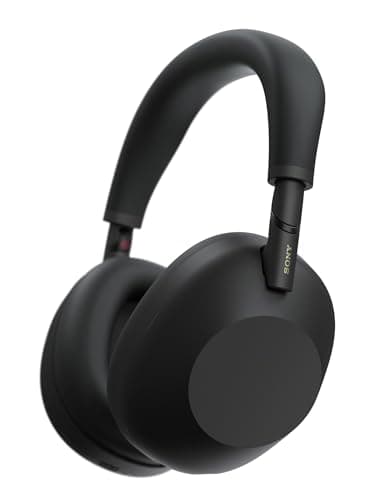
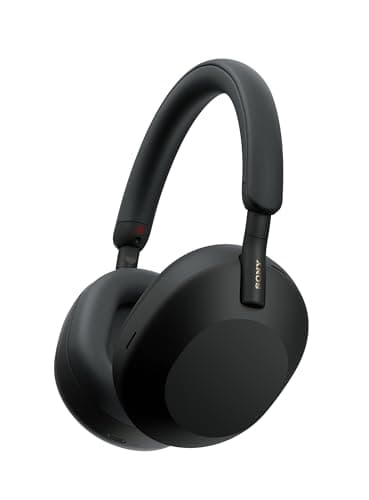
Against the Sony WH-1000XM6 ($449), the comparison is instructive. The Sony has superior ANC, a more mainstream design with broader retail availability, and a slightly lower price. But the HDB 630 counters with dramatically better sound quality, triple the battery life (60 hours vs 30 hours), a parametric EQ that puts Sony's DSEE Extreme to shame, and a bundled high-res dongle. For sound quality prioritists, the HDB 630 is the clear winner; for frequent travelers who need maximum isolation, the Sony still holds the edge.
The Bose QuietComfort Ultra Headphones (2nd Gen) ($429) offer the best ANC in the business and a comfortable, proven design. Like the Sony, the sound quality is good but not exceptional — the Bose is comfortable and capable but doesn't approach the HDB 630's resolution and neutrality. The Bose Immersive Audio feature is more polished than Sennheiser's spatial sound implementation, but for straight-ahead critical listening, the HDB 630 wins decisively.
Against the Focal Bathys ($699), the HDB 630 holds its own remarkably well. The Bathys has a slight edge in treble refinement with its dynamic preset, but costs $200 more and has dated ANC technology. The HDB 630 matches or exceeds the Bathys in most objective measures while offering better battery life and a more modern feature set.
The Apple AirPods Max ($499) compete on price but little else. While the AirPods Max has excellent build quality and seamless Apple integration, its sound quality is mediocre by audiophile standards, battery life is poor (20 hours), and it lacks modern codec support beyond AAC. The HDB 630 is superior in virtually every audio-centric metric.
Final Verdict
The Sennheiser HDB 630 is the best-sounding wireless ANC headphone you can buy today. It delivers genuinely audiophile-grade sound quality in a comfortable, well-built package with exceptional battery life and features — including a parametric EQ — that set a new standard for what wireless headphones should offer. The bundled BTD 700 dongle elevates the experience further, unlocking the headphones' full potential for listeners who demand the best possible wireless audio quality.
The compromises are real and worth considering. The ANC is good but not competitive with Sony or Bose, the design is deliberately understated, the microphone has limitations, and the $500 price tag puts it in premium territory. But for listeners who prioritize sound quality above all else and are willing to accept competent-but-not-class-leading ANC in exchange, the HDB 630 is not just a recommendation — it's a revelation.
Sennheiser has proven that wireless headphones can finally deliver the fidelity that audiophiles demand without sacrificing comfort, battery life, or modern features. The HDB 630 isn't just a great wireless headphone; it's a great headphone, period.
Related: Bose QuietComfort Ultra Headphones (2nd Gen) · Sony WH-1000XM6
Pros
- Best-in-class sound quality for wireless ANC headphones — truly audiophile-grade
- Outstanding parametric EQ with 5-band adjustment, Q factor control, and bypass toggle
- 60-hour battery life with 10-minute fast charge for 7 hours playback
- Bundled BTD 700 USB-C dongle unlocks 24-bit/96kHz wireless audio
- Comfortable for all-day listening sessions with premium materials
- Low-latency mode suitable for video and casual gaming
- Removable and replaceable earpads for long-term durability
Cons
- ANC falls short of Sony WH-1000XM6 and Bose QuietComfort Ultra
- No aptX Lossless support
- Microphone use forces low-bandwidth Hands-Free mode
- Understated design may not appeal to style-conscious buyers
- App requires account registration for advanced features
- No simultaneous multipoint between Bluetooth and BTD 700 dongle
Final Verdict
The Sennheiser HDB 630 sets a new standard for wireless audiophile headphones with best-in-class sound quality, a groundbreaking parametric EQ system, and 60-hour battery life — though its ANC can't match Sony or Bose flagships.