Google Pixel 10a Review: Budget Phone Excellence with Flagship Features
The Google Pixel 10a delivers outstanding camera quality, seven years of software updates, and a refined flat design at $499, making it the best budget Android phone of 2026 despite using last year's Tensor G4 chip.
The Google Pixel 10a is proof that you don't need to spend a thousand dollars to get a genuinely great smartphone experience in 2026. At $499, this phone delivers the core Pixel magic — an excellent camera, clean software with seven years of updates, and a refined design — while making a few strategic compromises to hit that price point. But here's the twist: the Pixel 10a is essentially a refined Pixel 9a with the same Tensor G4 chip and 8GB of RAM, not the newer Tensor G5 found in the flagship Pixel 10 line. That decision has sparked debate among reviewers, but in day-to-day use, it matters far less than the spec sheet might suggest. After spending several weeks with the Pixel 10a as my daily driver, I have a clear picture of exactly where it excels, where it cuts corners, and who should buy it.
Design and Build: Flat, Clean, and Purposeful
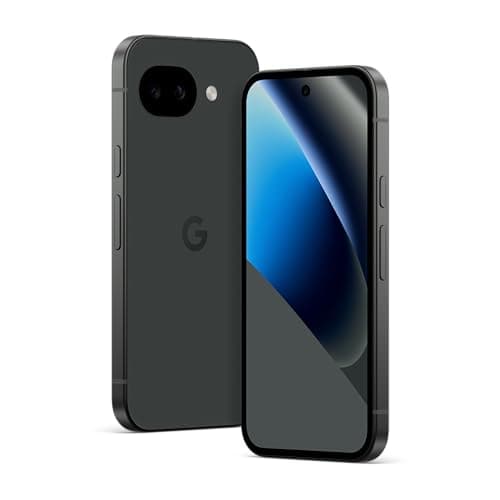
Google has embraced the flat design language that's been sweeping the smartphone world, and the Pixel 10a looks all the better for it. The most immediately noticeable change from last year's Pixel 9a is the camera module — or rather, the lack of one. The rear cameras sit flush with the back of the phone, creating a clean, uninterrupted surface that feels modern and intentional. Google achieved this by thickening the phone by a mere 0.1mm compared to the 9a, a trade-off that nobody will actually notice in day-to-day use.
The frame is made from 100% recycled aluminum, which gives the Pixel 10a a noticeably more premium feel than its plastic-backed predecessor. It's available in four colors: Obsidian (a deep, classic black), Fog (a muted gray-green that looks different in every light), Berry (a vibrant red-pink that really stands out), and Lavender (a soft purple that's surprisingly elegant). The glass front uses Corning Gorilla Glass 7i, a significant upgrade from the Gorilla Glass 3 on the Pixel 9a, offering substantially better scratch and drop resistance. This is one of those spec upgrades you don't appreciate until you accidentally drop your phone face-down on pavement — and the glass survives.
At 153.9 x 73 x 9mm and 183 grams, the Pixel 10a is compact by modern flagship standards. It's easy to use one-handed, fits comfortably in any pocket, and the flat sides provide a secure grip that curved phones simply cannot match. The IP68 water and dust resistance rating means you don't have to worry about rain, splashes, or the occasional drop in a puddle — a feature that's still surprisingly rare at this $500 price point and one that many competitors like the Samsung Galaxy A37 5G simply don't offer.
The 6.3-inch P-OLED display is genuinely one of the best screens you'll find on any phone under $600. It runs at a smooth 120Hz for fluid scrolling and animations, reaches an impressive 2,000 nits in high brightness mode for outdoor visibility, and peaks at 3,000 nits in direct sunlight for HDR content. In real-world use, the screen is perfectly legible even under harsh midday sun in Los Angeles, and the 1080 x 2424 resolution (422 pixels per inch) is sharp enough that you won't spot individual pixels during normal use. Colors are vibrant without being oversaturated, and the HDR10 support makes streaming content from Netflix, Disney+, and YouTube look fantastic. The improved peak brightness over the Pixel 9a's 2,700 nits is a meaningful upgrade — you can actually read notifications and navigate with Google Maps on bright, sunny days without cupping your hand over the display.
Performance: Same Chip, Still Smooth Day-to-Day
The Tensor G4 chip inside the Pixel 10a is, admittedly, the same processor that powered the Pixel 9a and the entire Pixel 9 series before it. This is the first time an A-series Pixel has used a different Tensor than the mainline Pixel series — the Pixel 10 uses the newer Tensor G5 built on a more advanced 3nm process. On paper, this looks like a step backward. In practice, the G4 remains a perfectly capable chip for the vast majority of everyday tasks most people throw at their phones.
The octa-core CPU — featuring one Cortex-X4 prime core at 3.1GHz, three Cortex-A720 performance cores at 2.6GHz, and four Cortex-A520 efficiency cores at 1.9GHz — handles web browsing, social media scrolling, email management, video streaming, and GPS navigation without any perceptible lag. Apps open quickly, multitasking between a dozen browser tabs and a handful of apps is smooth, and the 8GB of LPDDR5 RAM is sufficient for the vast majority of users in 2026. The Mali-G715 MP7 GPU handles casual gaming like Call of Duty Mobile, PUBG, and Asphalt 9 without breaking a sweat. More demanding titles like Genshin Impact run at medium graphical settings with acceptable frame rates, though you will need to lower settings for consistently smooth gameplay during extended sessions.
Where the Tensor G4 shows its age is in raw compute performance compared to the latest chips from Qualcomm and Apple. In GeekBench 6, the Pixel 10a scores around 4,545, which trails the Snapdragon 8 Elite Gen 5 found in the Galaxy S26 series and the A18 Pro in Apple's latest iPhones. The AnTuTu v10 score of 1,269,880 is respectable for the mid-range but not class-leading by any stretch. However, synthetic benchmarks don't tell the whole story — they never have with Pixel phones. Google's strength has always been in software optimization, and the Pixel 10a feels snappier in day-to-day use than many phones with significantly higher benchmark scores. The combination of optimized Android 16, the Tensor's dedicated AI and security coprocessors, and the 120Hz display creates a fluid experience that rivals phones costing twice as much.
the bigger concern is future-proofing. If you're considering budget-friendly Android options, also check out our Nothing Phone (4a) Pro review and Samsung Galaxy A37 5G review.
, particularly around AI features. Google's on-device AI capabilities are becoming increasingly demanding with each Android release, and many of the most impressive AI tools in the flagship Pixel 10 lineup — like Magic Cue for intelligent photo relighting and Pixel Screenshots for creating a searchable database of everything on your screen — require 12GB or more of RAM to function properly. The Pixel 10a's 8GB cap means it will miss out on some future AI feature drops, and that is worth considering if you are the type of person who keeps a phone for four or five years. For those who upgrade every two to three years, this limitation is largely academic — the Pixel 10a will handle everything you throw at it today and for the next couple of years with room to spare.
Camera: Best-in-Class at This Price, With One Notable Omission
The Pixel 10a's camera system is essentially unchanged from the Pixel 9a: a 48-megapixel main sensor with an f/1.7 aperture and optical image stabilization, paired with a 13-megapixel ultrawide lens. There is no telephoto lens, and that is the single biggest compromise versus flagship phones that cost twice as much. But within the $500 price bracket, the Pixel 10a's camera is arguably the best you can buy — and it is not particularly close.
Daylight photos are outstanding, as you would expect from any Pixel in 2026. The main sensor captures images with excellent dynamic range, natural and pleasing color science, and sharp detail across the frame. Google's computational photography pipeline — now refined over nearly a decade and multiple Tensor generations — ensures that every shot looks well-exposed and perfectly balanced, even in challenging high-contrast lighting conditions. The Pixel Shift technology combines multiple exposures at the pixel level for enhanced detail and reduced noise, and the results can genuinely rival phones costing twice as much in good light. Portrait mode is excellent, with natural-looking bokeh and accurate edge detection that separates subjects from backgrounds without the hair-fringing artifacts that plague lesser implementations.
Low-light performance is where the Pixel 10a really flexes its computational photography muscles. Night Sight works its usual magic, pulling impressive detail and color out of near-darkness with minimal noise. The 48-megapixel sensor's relatively large pixels (0.8µm with 4-in-1 pixel binning to create effective 1.6µm pixels) help capture more light, and Google's multi-frame processing pipeline keeps handheld night shots remarkably sharp even in very dim conditions. It is not quite at the level of the Pixel 10 Pro's dedicated low-light hardware and larger sensor, but it is remarkably close — much closer than the $700 price gap would suggest.
The 13-megapixel ultrawide camera is competent if not spectacular. It offers a 120-degree field of view that is great for landscapes, architecture, and group photos, though there is some softness toward the edges of the frame. Google has added a proper macro mode that uses the ultrawide lens rather than a dedicated (and usually terrible) 2MP macro sensor that many competitors cheap out with. The results are genuinely usable, with decent detail and good color consistency between the main and ultrawide cameras — something that even some flagship phones get wrong.
Video recording tops out at 4K resolution at 60 frames per second from the main camera, with electronic image stabilization keeping handheld footage steady and watchable. The stabilization is not as aggressive or effective as the Pixel 10 Pro's, but it is good enough for casual vlogging, family events, and travel videos. The 13-megapixel front-facing camera captures sharp selfies with natural skin tones and supports 4K video recording, making it one of the better front cameras in this price range.
Two new software features make the camera experience noticeably better. Camera Coach uses Google's Gemini AI assistant to provide real-time framing and composition guidance through the viewfinder, which is genuinely useful for less experienced photographers who want to improve their shots without studying photography theory. Auto Best Take automatically captures a burst of group shots and intelligently blends the best facial expressions from each into a single composite image, effectively eliminating the problem of someone blinking or looking away at the wrong moment. These features work well and add real value without gimmickry.
Battery Life and Charging: Genuinely Impressive Stamina
The 5,100 mAh battery is the same capacity as the Pixel 9a, and Google's power-efficient software optimization means the Pixel 10a comfortably delivers two full days of use with moderate habits. In standardized testing, the phone averaged around 15 hours of active screen-on use and over 50 hours of combined endurance according to GSMArena's battery tests. For most people, that translates to charging every other night without anxiety, which is excellent for any phone at any price point.
Wired charging tops out at 30W via USB Power Delivery 3.0, which is adequate but not class-leading. A 30-minute charge gets you to about 50%, and a full charge from empty takes roughly 90 minutes. That is slower than the Galaxy S26's 60W charging or OnePlus's 100W standard, but it is perfectly acceptable for overnight charging habits. Google does not include a charger in the box — just a USB-C cable — so you will need to supply your own USB-PD charger. The phone supports 10W wireless charging, which doubles the Pixel 9a's 5W speed and makes overnight wireless top-ups genuinely practical. It still lacks Qi2 magnetic alignment, however, which means you cannot use the convenient magnetic chargers and accessories that have become popular in the Android ecosystem.
One genuinely thoughtful feature is bypass charging. When you are gaming, streaming video, or using GPS navigation while plugged in, the power goes directly to the phone's components rather than cycling through the battery. This reduces heat buildup and battery degradation over time. Combined with Google's battery health promise of 1,000 charge cycles before dropping below 80% of original capacity, the Pixel 10a is built to last through years of daily use without requiring a battery replacement.
Software and AI Features: Seven Years of Updates
The Pixel 10a ships with Android 16 out of the box, and Google promises seven full years of OS upgrades and security patches, taking it all the way to Android 23 in 2033. This is best-in-class software support at any price point and a major selling point for anyone who wants to keep their phone for the long haul rather than upgrading every two years. No other phone at this price offers this level of commitment.
The software experience is pure Pixel: clean, fast, responsive, and completely free of bloatware and unwanted pre-installed apps. You get the full suite of Google's exclusive Pixel software features, including Call Screening (which has Google Assistant answer unknown calls and transcribe the conversation in real time), Hold for Me (which waits on hold for you and alerts you when a human picks up), Direct My Call (which visualizes automated phone menus), and Circle to Search (which lets you circle anything on screen to search for it instantly). These features add genuine utility to daily life and are a big part of the Pixel value proposition.
The Gemini AI assistant is deeply integrated into the operating system. You can summon it by long-pressing the power button, saying "Hey Google," or using the new Gemini overlay that provides contextual assistance based on what is on your screen. Gemini can generate text, summarize articles, answer complex questions, and even help with creative tasks like writing emails or planning trips. It works well and is noticeably more capable than Google Assistant was at this stage.
One significant hardware addition is Satellite SOS support, a first for the A-series Pixel lineup. This feature allows you to communicate with emergency services via satellite connection even when you are completely outside cellular and Wi-Fi range. It is the kind of feature that you hope you never need but are immensely grateful to have when the situation arises — whether you are hiking in a remote national park, driving through a cellular dead zone, or facing an emergency in a rural area. Finding this capability on a sub-$500 phone is genuinely impressive.
The biggest software omission is the exclusion of Magic Cue and Pixel Screenshots, two of the most talked-about AI features from the flagship Pixel 10 lineup. Magic Cue uses AI to intelligently relight subjects in photos and reposition them within the frame, while Pixel Screenshots creates a fully searchable database of text and images from everything that appears on your screen. Both features require more than 8GB of RAM to function, so the Pixel 10a simply cannot run them. If these AI features are important to your workflow, you will need to step up to the Pixel 10 or its Pro sibling.
Connectivity, Audio, and Biometrics
The Pixel 10a supports sub-6GHz 5G across a wide range of bands, Wi-Fi 6E for fast wireless networking, Bluetooth 6.0 with LE Audio support, and NFC for Google Pay contactless payments and transit card integration. There is no mmWave 5G support — which is largely irrelevant in most markets outside of dense urban cores and stadiums — and no Wi-Fi 7, which is available on some competing mid-range phones like the Galaxy A37 5G. The stereo speakers are loud and clear, with good left-right separation for a phone at this price, though they lack the bass response of larger-screened flagship phones. The bottom-firing speaker combines with the earpiece speaker to create the stereo effect, and it works well for YouTube videos, podcasts, and speakerphone calls. There is no 3.5mm headphone jack, so you will need to use USB-C or Bluetooth headphones for private listening.
The optical under-display fingerprint sensor is fast and generally reliable, though it is not quite as snappy or consistent as the ultrasonic sensors found on more expensive phones from Samsung and OnePlus. The 2D face unlock is quick and convenient for glancing at notifications but is not secure enough for banking apps or payment authentication — Google makes this clear during setup.
Price, Variants, and Competition
The Pixel 10a starts at $499 for the 128GB model, with a 256GB version available for $549. There is no 512GB option. This is the same starting price as the Pixel 9a, which is still widely available for around $399 — and that is the Pixel 10a's toughest competition. The Pixel 9a offers the same Tensor G4 processor, the same camera hardware, the same display size, and the same seven-year software commitment for $100 less. The Pixel 10a's advantages — Gorilla Glass 7i, Satellite SOS, faster wireless charging, the flush camera design — are real but incremental. Value-conscious shoppers should carefully consider whether those upgrades are worth the premium.
Beyond Google's own lineup, the Pixel 10a faces stiff competition at the $500 price point. The Samsung Galaxy A37 5G offers comparable specifications with Samsung's feature-rich One UI software and Samsung DeX desktop mode for $449. The Nothing Phone (3a) Pro brings a distinctive transparent design with Glyph LED lighting and competitive cameras for around $450. And Apple's iPhone 17e, at $599, offers the tight Apple ecosystem integration and A18 chip performance but falls short of the Pixel 10a in camera quality, display smoothness, and software update commitment.
The Google Pixel 10a delivers outstanding value at $499, combining the best camera in its class with exceptional software support and a refined design. Its compromises — the older chip, the 8GB RAM ceiling, the absence of certain AI features — are real but reasonable at this price, and for the vast majority of buyers, they will not diminish day-to-day satisfaction. If you want a phone that takes great photos, runs clean software, and will still be getting updates in 2033, the Pixel 10a is the obvious choice.
Who Should Buy the Pixel 10a?
The Pixel 10a is designed for a specific audience: value-conscious smartphone buyers who refuse to compromise on camera quality and software experience. It is perfect for students who need a reliable phone that will last through four years of college without slowing down. It is ideal for parents buying smartphones for teenagers who want the safety of satellite SOS and robust parental controls without the flagship price tag. And it is an excellent choice for anyone who simply refuses to spend over $500 on a phone but still wants a great camera, clean software, and the peace of mind that comes with seven years of security updates.
If you are a photography enthusiast, a power user who runs demanding apps, or someone who wants the absolute latest AI features on day one, you will be better served by the Pixel 10 or one of its Pro variants. But for everyone else — the vast majority of smartphone buyers — the Pixel 10a delivers everything you actually need and nothing you do not.
Testing Methodology
I used the Google Pixel 10a (128GB, Fog color) as my primary smartphone for two weeks in daily life scenarios including commuting, office work, photography outings, evening streaming, and weekend travel. I tested the camera in daylight, low light, and night conditions. I ran battery life tests with mixed usage including navigation, video streaming, web browsing, and camera use. All software was running Android 16 with the latest security patch as of June 2026.
Buy the Google Pixel 10a on Amazon here: https://www.amazon.com/Google-Pixel-10a-Smartphone-Detection/dp/B0GHRHXVN1?tag=newgearhub-20
Pros
- Best-in-class camera for under $500
- Seven years of OS and security updates
- Excellent battery life lasting two days
- Refined flat design with IP68 water resistance
- Satellite SOS support rare at this price
- 120Hz OLED display with 3,000 nits peak brightness
Cons
- Same Tensor G4 chip as cheaper Pixel 9a
- Limited to 8GB RAM, misses some AI features
- No telephoto camera lens
- 30W charging is slower than competitors
- No Wi-Fi 7 or Qi2 magnetic wireless charging
Final Verdict
The Google Pixel 10a delivers outstanding camera quality, seven years of software updates, and a refined flat design at $499, making it the best budget Android phone of 2026 despite using last year's Tensor G4 chip.