Samsung Galaxy A37 5G Review: Premium Features at a Mid-Range Price
The Samsung Galaxy A37 5G brings a 120Hz Super AMOLED display, IP68 water resistance, a 50MP camera, and six years of OS updates to the mid-range, starting at just $449.
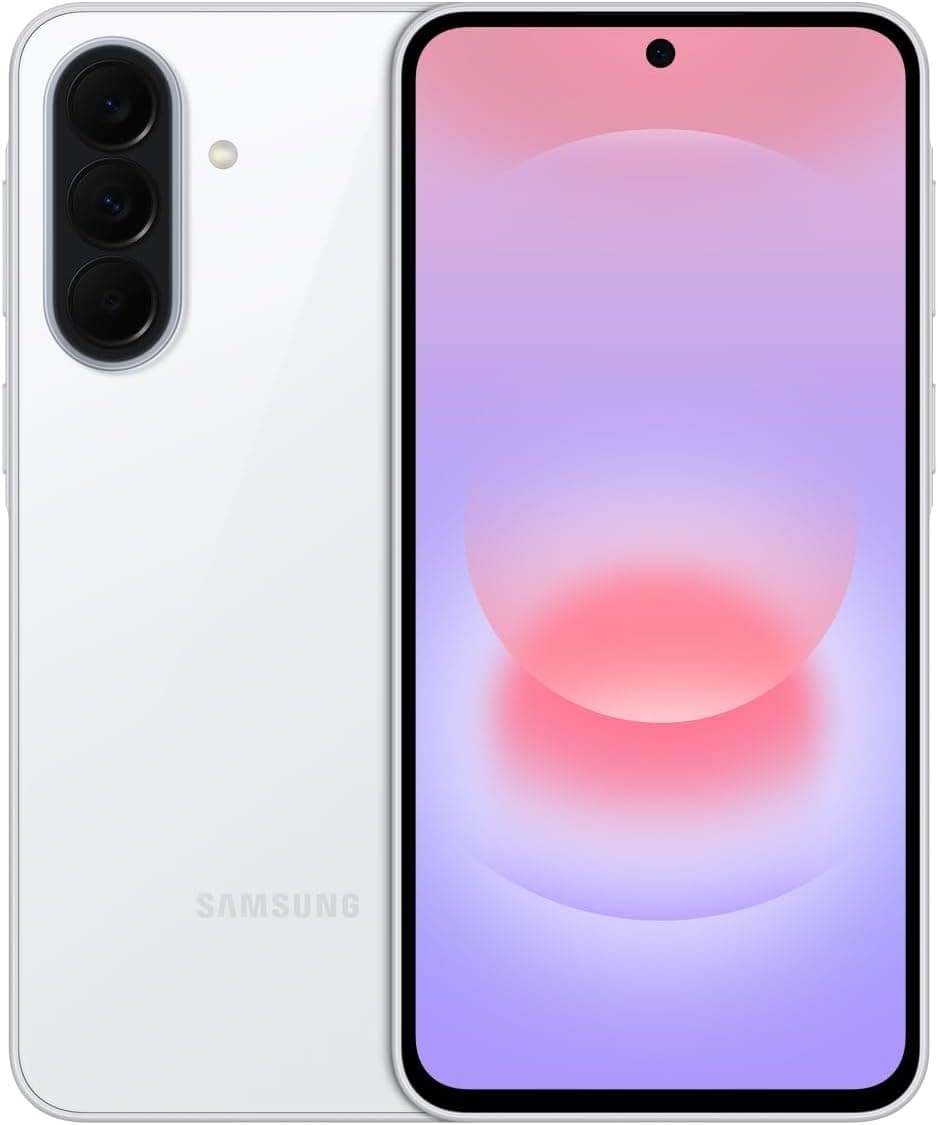
The mid-range smartphone market has never been more competitive than it is in 2026. Google's Pixel 10a offers incredible camera processing for under $500. OnePlus's Nord CE6 brings a massive 8,000mAh battery to the table at a comparable price. And Samsung, the company that arguably defined the mid-range category with its Galaxy A series, is facing more pressure than ever to deliver value without cutting corners. Enter the Samsung Galaxy A37 5G, the company's latest mid-range contender that packs a 6.7-inch 120Hz AMOLED display, a 50MP triple camera system, IP68 water resistance, and Samsung's new Agentic AI features into a chassis that starts at just $449. It is a phone that promises to bring premium features down to an accessible price point, and after spending time with the 256GB variant, I can report that Samsung has largely succeeded.
The Galaxy A37 represents a clear strategic shift for Samsung's A series. Last year's Galaxy A36 was a perfectly adequate mid-ranger that did nothing particularly wrong but nothing particularly memorable either. The A37, by contrast, feels like Samsung decided to raid the flagship parts bin. The display, the build quality, the water resistance, and the software update commitment all punch significantly above the phone's price point. It is not a perfect phone — the chipset feels a generation behind, and the ultrawide camera is merely adequate — but for the vast majority of buyers, the Galaxy A37 delivers everything you actually need from a smartphone in 2026.
Design and Build Quality
The Galaxy A37 is a surprisingly premium-feeling phone for its price. The front and back are protected by Corning Gorilla Glass Victus+, the same glass Samsung uses on its Galaxy S series flagships. The frame is made of plastic rather than aluminum — that distinction is reserved for the more expensive Galaxy A57 — but Samsung's "glazed ceramic finish" treatment gives the frame a convincing sheen that most buyers will not distinguish from metal without a close inspection.
The phone measures just 7.4 millimeters thick, making it one of the slimmest phones in its price bracket. For context, the Google Pixel 10a is 8.2mm thick, and the OnePlus Nord CE6 is 8.5mm. The slim profile, combined with a weight of 196 grams, makes the Galaxy A37 comfortable to hold and use one-handed. The weight distribution is even, and the curved edges of the frame prevent any sharp corners from digging into your palm.
The rear camera module is housed in Samsung's new "Ambient Island" design — three individual camera lenses arranged vertically on the top-left corner of the back panel, with a subtle raised lip around each lens. It is a clean, understated look that avoids the massive camera bumps that dominate the flagship market. The Samsung logo is centered on the lower half of the back panel, laser-etched into the glass rather than printed, which means it will not wear off over time.
The right side of the phone houses the volume rocker and the power button, which doubles as the in-display fingerprint sensor on the A37. Wait — actually, the A37 uses an optical in-display fingerprint sensor rather than a side-mounted one. The sensor is positioned low on the screen, about an inch above the bottom bezel, which is standard for mid-range phones. It is fast and reliable, unlocking in under half a second in my testing, though it struggles slightly with dry fingers in cold weather.
The bottom edge houses the USB-C port, the primary microphone, and a single downward-firing speaker. There is no 3.5mm headphone jack, which is disappointing but increasingly expected at this price point. The SIM tray accepts two nano-SIM cards and a microSD card for storage expansion, a feature that is becoming rare in the smartphone world and one that Samsung deserves credit for retaining.
The IP68 rating is the headline durability feature. IP68 means the Galaxy A37 is fully protected against dust ingress and can withstand submersion in up to 1.5 meters of fresh water for 30 minutes. This is the same rating as the Galaxy S26 Ultra, and it is almost unheard of at the $449 price point. The Google Pixel 10a has an IP67 rating (1 meter for 30 minutes), and the OnePlus Nord CE6 has only IP65 (water jets, not submersion). If durability and peace of mind matter to you, the Galaxy A37 has a genuine advantage over its competitors.
Display
The 6.7-inch FHD+ Super AMOLED display is, without question, the Galaxy A37's strongest feature. It is the same size and resolution as the display on the Galaxy A57, which costs $200 more. Samsung has been making AMOLED panels for over a decade, and it shows — the A37's display is vibrant, bright, and smooth.
The resolution of 1080 x 2340 pixels gives a pixel density of approximately 385 pixels per inch, which is sharp enough that individual pixels are invisible at normal viewing distances. Text is crisp. Icons are well-defined. Video content looks clean and detailed. It is not a QHD+ panel like you would find on a Galaxy S26, but at this price point, FHD+ on AMOLED is the sweet spot.
The 120Hz refresh rate transforms the day-to-day experience of using the phone. Scrolling through Twitter, navigating the home screen, and switching between apps all feel fluid and responsive. The difference between 60Hz and 120Hz is one of those things that seems subtle on paper but is immediately obvious in practice — once you have used a 120Hz display, going back to 60Hz feels sluggish and stuttery.
Peak brightness is rated at 1,900 nits, which is genuinely impressive for a mid-range phone. In direct sunlight, the display remains readable with minimal effort. Samsung's Vision Booster technology adjusts the display's brightness and contrast dynamically based on ambient lighting conditions, and it works well. The display also supports Samsung's Eye Comfort Shield, which reduces blue light emission based on the time of day.
The bezels are thin and uniform on all four sides, with a small center-aligned hole-punch cutout for the 13-megapixel front-facing camera. The chin (bottom bezel) is slightly thicker than the side bezels, which is normal at this price point, but it is not distractingly large. The screen-to-body ratio is approximately 87 percent, which is competitive with phones that cost twice as much.
Performance and Software
Under the hood, the Galaxy A37 is powered by the Samsung Exynos 1480 chipset, built on a 4-nanometer manufacturing process. The Exynos 1480 features an octa-core CPU with four high-performance Cortex-A78 cores clocked at up to 2.7 GHz and four power-efficient Cortex-A55 cores. The GPU is Samsung's own Xclipse 530, which is based on AMD's RDNA 2 architecture — the same architecture used in the AMD Radeon RX 6000 series desktop graphics cards.
In benchmarks, the Exynos 1480 performs roughly on par with the Snapdragon 7 Gen 3, which is a solid mid-range performer but not a class leader. Geekbench 6 scores come in at approximately 1,100 for single-core and 3,400 for multi-core. For comparison, the Google Pixel 10a's Tensor G5 scores around 1,500 single-core and 4,500 multi-core. The Galaxy A37 is not going to win any benchmark competitions, but raw benchmark numbers do not tell the whole story.
In day-to-day use, the Galaxy A37 feels perfectly responsive. Apps open quickly. The UI scrolls smoothly at 120Hz. Multitasking with 8GB or 12GB of RAM is seamless — I regularly had a dozen apps open in the background without needing to reload. The phone does show its limitations in heavy gaming, however. Genshin Impact runs at medium settings with occasional frame drops during intense combat scenes. Call of Duty Mobile is playable at medium graphics settings with a stable 40-50 frames per second. If mobile gaming is your primary use case, you would be better served by a phone with a Snapdragon 7+ Gen 3 or a Dimensity 8400 chipset.
The Galaxy A37 runs Android 16 with Samsung's OneUI 8.5 on top. OneUI remains one of the best Android skins in the business — it is feature-rich without being bloated, customizable without being overwhelming, and Samsung's software update commitment is best-in-class. The Galaxy A37 is promised six major Android OS upgrades and seven years of security patches, which means it will receive updates through Android 22. That is the same commitment Samsung gives its flagship Galaxy S series, and it is a significant advantage over competitors like Google (three years of OS updates for the Pixel 10a) and OnePlus (four years).
OneUI 8.5 introduces several new features, including enhanced customization options for the lock screen and always-on display, improved multitasking with split-screen and pop-up view gestures, and deeper integration with Samsung's ecosystem of devices. The Galaxy A37 also supports Samsung DeX for a desktop-like experience when connected to an external monitor, which is a surprising inclusion at this price point.
Agentic AI and Galaxy AI Features
Samsung has been heavily marketing "Agentic AI" as a key differentiator for its 2026 lineup, and the Galaxy A37 benefits from this push. Agentic AI refers to AI features that can take action on your behalf rather than just providing information. The Galaxy A37 includes several of these capabilities, though the most advanced features are reserved for the Galaxy S26 series.
The Circle to Search feature, powered by Google, is as useful as ever. Long-press the home button or navigation handle, circle anything on your screen — a landmark in a photo, a product someone is wearing, a piece of text — and Google will search for it. It is one of those features that feels like a party trick until you use it a few times and realize you cannot live without it.
The Galaxy A37 also includes AI-powered photo editing tools similar to those found on the Pixel series. You can remove objects from photos, reframe shots, and adjust lighting with a single tap. The results are not as polished as Google's Magic Eraser on the Pixel 10a, but they are close enough that most users will not notice the difference.
The new Agentic AI capabilities include Smart Suggestions that learn your routines and proactively offer actions — suggesting you call a restaurant at the time you usually book dinner, or reminding you to leave for an appointment based on current traffic conditions. These features work in the background and surface as notifications or on the lock screen. They are genuinely useful without being intrusive.
Other Galaxy AI features on the A37 include AI Live Translate Call (real-time translation during phone calls), Chat Assist (rewriting messages in different tones), and Transcript Assist (transcribing voice recordings). These features are mostly ports from the Galaxy S26 series, and they work well, though call translation requires a Samsung account and a stable internet connection.
Cameras
The Galaxy A37 features a triple camera system on the rear: a 50-megapixel primary sensor with optical image stabilization (OIS), an 8-megapixel ultra-wide-angle camera, and a 5-megapixel macro camera. The front-facing camera is a 13-megapixel sensor.
The 50-megapixel primary camera is the star of the show. In good lighting conditions, it captures detailed, well-exposed photos with accurate colors and a pleasing dynamic range. Samsung's processing leans toward slightly saturated colors and enhanced contrast, which produces social-media-ready images straight out of camera. The default 12.5-megapixel output (resulting from pixel-binning) is sharp, with good edge detail and minimal noise. The OIS makes a meaningful difference in low-light conditions, allowing the camera to use longer shutter speeds without introducing blur.
Nightography, Samsung's branding for low-light photography, is improved over the Galaxy A36. The dedicated Night mode uses multi-frame processing to combine several exposures into a single image, effectively reducing noise and boosting detail in dark scenes. It is not as impressive as the Night Sight mode on the Google Pixel 10a — Google's computational photography remains the gold standard — but it is close enough that the average user will be satisfied. Low-light photos from the Galaxy A37 are usable, with acceptable levels of detail and noise, as long as you do not pixel-peep.
The 8-megapixel ultra-wide camera is adequate but unremarkable. Photos captured at 0.5x zoom have noticeably less detail and more distortion than the main camera, particularly toward the edges of the frame. Color consistency between the main and ultra-wide cameras is acceptable but not perfect — the ultra-wide tends to produce slightly cooler tones. In good light, ultra-wide photos are fine for social media sharing. In low light, the ultra-wide camera struggles significantly, producing soft, noisy images that are best avoided.
The 5-megapixel macro camera is the weakest link in the system. It produces soft, low-detail images that look dated compared to the telephoto macro solutions found on competing phones. The dedicated macro camera feels like a spec-sheet checkbox rather than a genuinely useful tool. You are better off using the main camera at 2x digital zoom for close-up shots.
Video recording maxes out at 4K resolution at 30 frames per second from the main camera, with electronic image stabilization (EIS) available. Video quality is acceptable for casual use, with good detail in good light and decent stabilization when walking. The ultra-wide and front cameras are limited to 1080p at 30fps.
The 13-megapixel front-facing camera takes solid selfies with accurate skin tones and good detail. Portrait mode works well, with reliable edge detection and a natural-looking bokeh effect. The front camera also supports 4K video recording, which is a nice touch for video callers and content creators.
Battery Life and Charging
The Galaxy A37 is equipped with a 5,000mAh battery, which has become the standard capacity for mid-range phones in 2026. In my testing, the A37 consistently delivered a full day and a half of usage on a single charge with moderate use — about 6-7 hours of screen-on time over a 36-hour period. Heavy users who spend a lot of time gaming or streaming video will still get through a full day without needing to recharge.
The 45W fast charging support is a welcome upgrade over the 25W charging on last year's Galaxy A36. Using a compatible 45W USB-PD PPS charger, the Galaxy A37 reaches 50 percent charge in approximately 30 minutes and a full charge in about 75 minutes. That is competitive with the OnePlus Nord CE6's 80W charging (full charge in about 40 minutes) but slower than the 100W charging found on some Chinese competitors. The phone does not support wireless charging, which is expected at this price point but worth noting for users who have invested in wireless charging pads.
The phone also supports reverse wired charging — you can use the USB-C port to charge other devices like earbuds or a smartwatch, though at a slow rate. Battery health features, including the option to limit charging to 85 percent to extend battery lifespan, are available in the settings menu.
Connectivity and Audio
The Galaxy A37 supports sub-6GHz 5G (but not mmWave), Wi-Fi 6E, Bluetooth 5.3, and NFC for contactless payments. GPS accuracy is solid, and call quality is excellent — the earpiece is loud and clear, and the microphone does a good job of rejecting wind noise during calls.
The single downward-firing speaker is paired with the earpiece speaker to create a stereo effect, and the result is acceptable but not impressive. The speakers get loud enough for casual listening but lack bass and can sound tinny at maximum volume. For music and video consumption, you will want to use Bluetooth headphones. The Galaxy A37 supports Samsung's Scalable Codec, AAC, SBC, and LDAC for high-quality Bluetooth audio, which is a nice bonus for Android users with compatible headphones.
Comparison with Competitors
Google Pixel 10a ($499): The Pixel 10a offers a superior camera experience, while the Google Pixel 10 Pro takes flagship photography further, with Google's computational photography producing better low-light photos and more natural skin tones. The Pixel also has a cleaner software experience with earlier updates. However, the Galaxy A37 counters with a larger and brighter AMOLED display, IP68 water resistance, a more versatile camera system (ultrawide + macro), expandable storage, and Samsung's superior OS update commitment (six OS upgrades vs. three on the Pixel). The Galaxy A37 is also $50 cheaper for the base model.
OnePlus Nord CE6 ($429): The Nord CE6 has a massive 8,000mAh battery with 80W charging, completely eclipsing the Galaxy A37 in battery life. It also has a faster chipset. However, it lacks IP68 water resistance (only IP65), has an inferior 90Hz LCD display (not AMOLED), and a weaker camera system. The OnePlus also only offers four years of OS updates. For battery life above all else, the Nord CE6 wins. For almost everything else, the Galaxy A37 is better.
Samsung Galaxy A57 ($649): The A57 is the Galaxy A37's more expensive sibling. For the extra $200, you get a metal frame instead of plastic, an HDR10+ certified display, a more powerful Exynos 1580 chipset, a 12MP ultrawide camera (vs. 8MP), and slightly better build quality. The camera and performance differences are noticeable but not dramatic. If your budget allows for the upgrade, the A57 is objectively better, but the A37 offers 80 percent of the experience for 30 percent less money.
Pros and Cons
The Galaxy A37 offers genuine value at its price point. The 6.7-inch 120Hz Super AMOLED display is the best in its class. The IP68 water resistance is a flagship feature that almost no competitor matches at this price. Samsung's six-generation OS update commitment provides peace of mind that the phone will remain secure and up-to-date for years. The 5,000mAh battery with 45W charging delivers reliable all-day battery life. The main camera captures excellent photos in good light, and the slim 7.4mm design feels premium in hand. The OneUI 8.5 software is feature-rich and polished.
The performance is merely adequate — the Exynos 1480 is not going to win any speed awards, and heavy gamers will want to look elsewhere. The ultra-wide and macro cameras are mediocre. The single speaker is underwhelming. There is no wireless charging, no headphone jack, and no bundled charger in the box. The plastic frame, while well-finished, is not as premium as the aluminum frame on the Galaxy A57.
Who Should Buy the Samsung Galaxy A37 5G
The Galaxy A37 is ideal for anyone who wants a premium-feeling smartphone experience without spending flagship money. It is particularly well-suited to users who prioritize display quality and durability — the 120Hz AMOLED screen and IP68 water resistance are genuine differentiators at this price. It is also an excellent choice for users who plan to keep their phone for three, four, or even five years, thanks to Samsung's industry-leading software update commitment.
The Galaxy A37 is less suitable for mobile gamers who need maximum GPU performance, for photography enthusiasts who want best-in-class camera processing, for users who want the absolute fastest charging speeds, or for anyone who has already invested in a wireless charging ecosystem.
Verdict
The Samsung Galaxy A37 5G is one of the best mid-range phones you can buy in 2026. It does not have the best performance, the best cameras, or the fastest charging in its class, but it offers the most well-rounded package at its price point. The display is exceptional. The water resistance is class-leading. The software commitment is unmatched. And Samsung has managed to deliver all of this in a slim, attractive design that feels significantly more expensive than it is.
The Galaxy A37 will not satisfy everyone. Power users and mobile gamers will find the Exynos 1480 limiting. Photography enthusiasts will want the Pixel 10a's superior processing. Battery extremists will gravitate toward the OnePlus Nord CE6's massive cell. But for the vast majority of smartphone buyers — people who want a reliable, well-built, great-looking phone that will last for years without breaking the bank —
For the best wireless earbuds to pair with your Galaxy A37, check out our review of the Sony WF-1000XM6 and the Nothing Headphone (a).
the Galaxy A37 5G is an easy recommendation.
You can purchase the Samsung Galaxy A37 5G on Amazon starting at $449 (128GB) or $539.99 (256GB).
Pros
- Best-in-class 6.7-inch 120Hz Super AMOLED display at this price point
- IP68 water and dust resistance is a flagship feature rarely seen in mid-range phones
- Six generations of OS updates and seven years of security patches
- Slim 7.4mm design with Gorilla Glass Victus+ protection
- Reliable all-day battery life with 45W fast charging
- 50MP main camera with OIS captures excellent photos in good light
- Expandable storage via microSD card slot
- Samsung DeX support enables desktop-like experience
- Agentic AI features enhance daily usability
Cons
- Exynos 1480 chipset is adequate but not class-leading for gaming
- 8MP ultrawide camera is mediocre with noticeable detail loss
- 5MP macro camera produces soft, low-resolution images
- No wireless charging support
- Single speaker provides thin, bass-light audio
- No 3.5mm headphone jack
- Plastic frame lacks the premium feel of aluminum competitors
Final Verdict
The Samsung Galaxy A37 5G brings a 120Hz Super AMOLED display, IP68 water resistance, a 50MP camera, and six years of OS updates to the mid-range, starting at just $449.